
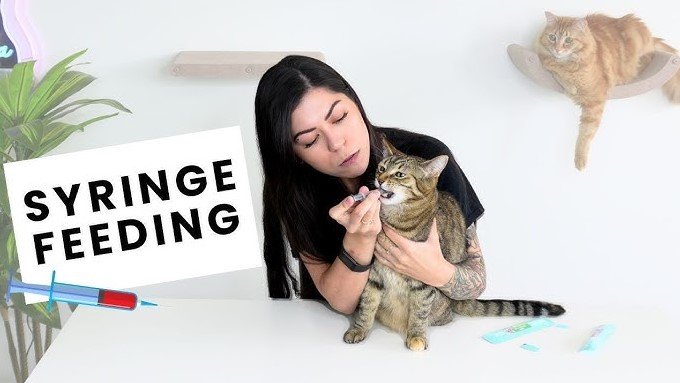
Feeding your cat with a syringe is a vital skill for pet owners during times of illness or recovery. By staying calm and following these gentle techniques, you can ensure your cat receives essential nutrition while maintaining a positive bond.
Key Takeaways
- Preparation is vital: Always have your syringe, warm food, and a towel ready before you approach your cat to minimize stress.
- Consistency matters: Feed your cat smaller, frequent amounts rather than forcing a large meal at once to prevent choking or food aversion.
- The “Purrito” method: Use a large towel to swaddle your cat snugly, keeping their paws contained so they cannot swat the syringe away.
- Mind the angle: Always aim the syringe toward the side of the mouth, near the back teeth, rather than straight down the throat.
- Watch for stress: If your cat begins to panic, stop immediately, let them calm down, and try again later to prevent an aspiration risk.
- Consult your vet: Never start syringe feeding without a vet’s guidance, as they need to confirm the type of food and amount your cat requires.
Why Your Cat Might Need Syringe Feeding?
It is never easy to see our feline friends go through a rough patch. Whether they are recovering from dental surgery, dealing with a chronic illness, or simply losing their appetite due to stress or age, cats can sometimes stop eating.
When this happens, learning how to feed cat with syringe becomes an essential tool in your home care kit. A cat that stops eating for more than 24 hours can quickly face serious complications like hepatic lipidosis, which is a dangerous liver condition.
As we navigate the pet care standards of 2026, we understand that medical nutrition is about more than just calories; it is about providing support for the body to heal.
Syringe feeding is a way to bridge the gap when your cat is physically unable or emotionally unwilling to visit their food bowl. While it may seem daunting at first, many owners find that with the right technique, it becomes a routine process that builds trust rather than fear.
Preparing for the Feeding Session
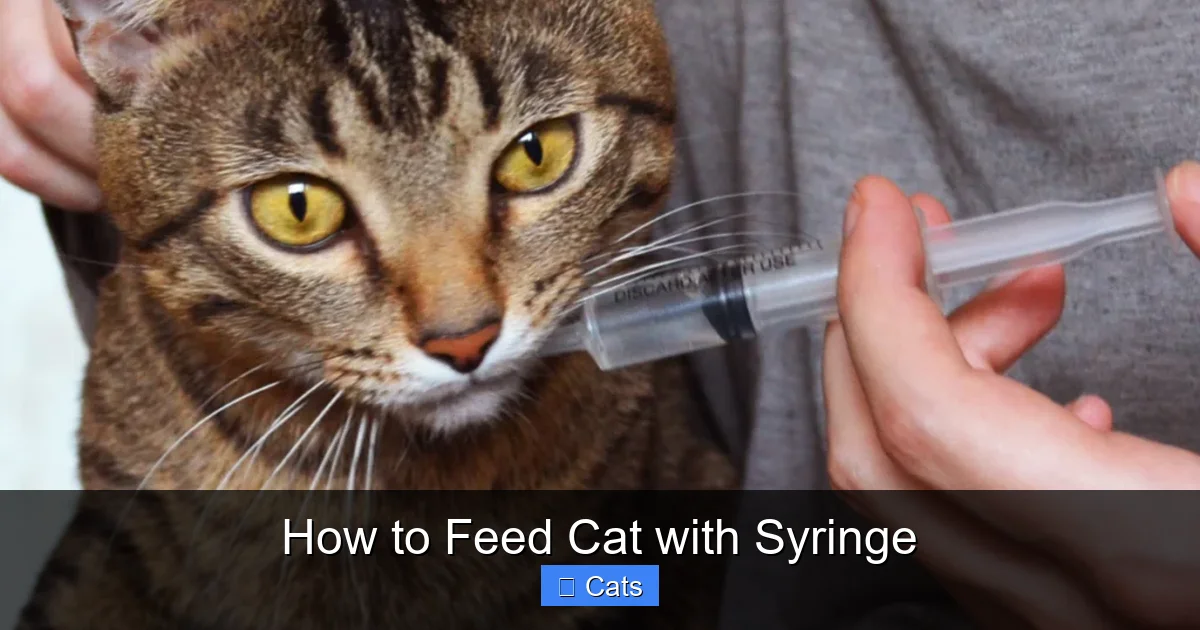
Visual guide about How to Feed Cat with Syringe
Image source: yourpetsathome.com
Before you even pick up the syringe, your environment needs to be set up for success. You want to create a calm, quiet, and secure space. If your cat is already feeling unwell, they will be hyper-aware of your movements. Start by ensuring the room is free from loud noises, other pets, and distractions.
Selecting the Right Tools
To feed your cat effectively, you need the right gear. Most veterinarians recommend a 10ml to 12ml syringe for cats. These are small enough to control easily but large enough to hold a decent amount of food. If the food is thick, you might need to trim the tip of the syringe slightly or use a specialized feeding syringe with a wider aperture. Always ensure the syringe is clean and the plunger moves smoothly without sticking.
Warming the Food
Cold food is rarely appetizing to a cat. To make the syringe feeding process easier, mix your prescribed recovery food with a little bit of warm water. The consistency should be like a thick soup or a smooth puree. The warmth helps release the aroma of the food, which can stimulate your cat’s natural appetite. Just be sure the mixture is lukewarm—never hot—so you do not burn your cat’s mouth.
The Gentle “Purrito” Technique
Many owners struggle because they try to hold their cat while struggling with the syringe. This is where the “Purrito” becomes your best friend. By wrapping your cat in a soft, thick towel, you prevent them from scratching you or escaping. It provides them with a sense of security and keeps their limbs tucked safely against their body.
Step-by-Step Swaddling
Place the towel flat on a table or your lap. Gently place your cat in the center. Fold one side of the towel over the cat’s back, tucking it under their chest, and repeat with the other side. You want it snug, but not tight. You should be able to slide a hand between the towel and the cat. Once they are swaddled, your job of stabilizing them becomes significantly easier.
Positioning for Safety
Position your cat so they are sitting upright or lying on their chest. Never force them onto their back. Feeding a cat on their back is dangerous because it increases the risk of them inhaling food into their lungs, which can lead to aspiration pneumonia. Keep their head level or slightly tilted up, but keep them in a natural, comfortable posture.
Mastering the Syringe Feeding Motion
Now that you are prepared, it is time for the main event. You want to approach your cat from the side, not from the front. If you come at them head-on with a syringe, it can be intimidating. Coming from the side allows you to slip the tip of the syringe into the space between their front and back teeth.
The Correct Angle
Place the syringe tip into the side of the mouth. Once it is just inside, aim it toward the back of the mouth, near the tongue, but never point it directly down the throat. Squeeze the plunger very slowly. Give your cat a second to swallow before you dispense more food. If they start to lick the food, that is a great sign! Let them set the pace.
Patience is Key
If your cat pushes the syringe away with their tongue or starts to struggle, stop. Take a breath. It is better to have a feeding session last 20 minutes with breaks than to force it and cause a negative experience. If you find yourself getting frustrated, your cat will pick up on that energy. Step away, reset, and try again in a few minutes.
Aftercare and Monitoring Your Cat
Once the feeding is done, your work isn’t quite finished. Cleaning up your cat is just as important as the feeding itself. Use a damp, soft cloth to gently wipe any food residue from their whiskers or chin. Cats are fastidious groomers, but when they are sick, they may not have the energy to clean themselves, and lingering food can cause skin irritation or messy fur.
Tracking Intake
In 2026, we have access to great digital tools to help us track our pet’s health. Use a simple app or a notebook to record exactly how many milliliters your cat consumed at each feeding. This information is vital for your veterinarian. If you notice your cat consistently refusing the food or vomiting after sessions, contact your vet immediately.
The Goal of Independence
Remember that syringe feeding is usually a temporary bridge. Your goal is to get your cat back to independent eating. Offer a small amount of their regular food or a “topper” like tuna juice or chicken broth nearby. Slowly decrease the amount you syringe feed as they show interest in eating on their own. Celebration is in order when you see them taking their first bite from the bowl!
Common Challenges and How to Solve Them
Even the most experienced pet owners encounter bumps in the road. Perhaps your cat is a master escape artist, or maybe they are a picky eater who hates the prescription diet. Do not panic. There are ways to navigate these challenges without losing your cool.
When the Cat Clamps Their Jaw
If your cat refuses to open their mouth, try gently stroking their nose or gently pressing your fingers against the sides of their mouth near the corners. Often, this triggers a natural reflex that makes them open just enough for you to slide the syringe tip in. Never use force to pry their mouth open.
Managing Food Aversion
If your cat is showing signs of food aversion, discuss alternative recovery diets with your vet. Sometimes, simply changing the flavor or temperature can make a world of difference. Consistency and patience remain your best tools. Every successful feeding, no matter how small, is a victory for your cat’s recovery.
Conclusion
Learning how to feed cat with syringe is a selfless act of love. It can be stressful at first, but with practice, it becomes a quiet, calm moment of care between you and your companion.
By staying patient, keeping the environment low-stress, and following your vet’s advice, you are giving your cat the best possible chance at a full and speedy recovery. Keep monitoring their progress, stay positive, and remember that you are the most important part of their healing journey. You have got this!
Frequently Asked Questions
Is it dangerous to syringe feed a cat?
It is generally safe if done correctly, but there is a risk of aspiration if food enters the lungs. Always feed slowly, keep the cat in an upright position, and never force food into their mouth if they are struggling or gasping.
How often should I feed my cat with a syringe?
Frequency depends on your cat’s specific medical needs and the total daily calorie requirement prescribed by your vet. Most vets recommend small, frequent meals spread out over 4-6 sessions throughout the day.
What should I do if my cat hates being swaddled?
If your cat panics in a towel, try feeding them on your lap while gently holding their body with one arm. You can also try using a soft blanket or having a second person gently hold them while you handle the feeding.
Can I use any type of food in the syringe?
No, only use foods recommended or approved by your veterinarian, such as high-calorie recovery diets. Regular wet cat food may need to be blended with water to ensure it passes through the syringe without clogging.
How do I know if my cat is getting enough food?
Your veterinarian will calculate a specific caloric target for your cat based on their weight and health status. Tracking the milliliters fed at each session will help you monitor whether you are meeting those goals daily.
How long will I need to continue syringe feeding?
The duration varies based on the underlying health condition, ranging from a few days to several weeks. Your vet will monitor your cat’s progress and tell you when it is safe to transition back to normal bowl feeding.