
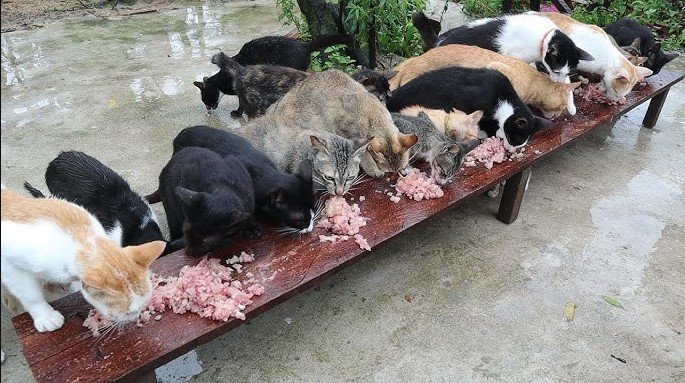
Feeding your cat raw chicken is a controversial topic that requires careful consideration of health risks versus nutritional benefits. While cats are obligate carnivores, raw meat can harbor dangerous pathogens like Salmonella that threaten both your pet and your family. Always consult your veterinarian before making significant changes to your cat’s diet to ensure they receive balanced nutrition.
If you are a cat parent, you have likely scrolled through social media and seen beautiful, healthy cats enjoying meals of raw meat. You might have found yourself wondering, is it ok to feed cats raw chicken? It is one of the most debated topics in the feline world as we move through 2026. Pet owners are more conscious than ever about what goes into their cat’s bowl, often moving away from highly processed kibble in favor of “ancestral” diets.
On the surface, the idea makes sense. Your domestic cat shares DNA with wild tigers and lions. These apex predators survive by hunting and consuming raw prey. However, your living room companion is quite different from a wild cat. The domestic environment changes the game, and we must weigh the natural instincts of our pets against the modern safety risks that come with handling raw poultry.
Key Takeaways
- Nutritional Needs: Cats are obligate carnivores, meaning they rely on nutrients found only in animal flesh to survive.
- Bacterial Risks: Raw chicken often contains harmful bacteria like Salmonella and E. coli, which can lead to serious gastrointestinal illness.
- Bone Hazards: Never feed cats cooked bones, as they splinter easily; even raw bones require expert supervision to avoid choking or intestinal punctures.
- Nutritional Imbalance: Simply tossing a piece of raw chicken to a cat does not provide a complete or balanced diet, potentially leading to vitamin deficiencies.
- Veterinary Guidance: Always discuss any transition to a raw diet with your vet to prevent long-term health complications.
- Safety First: If you choose to feed raw, strict hygiene practices in the kitchen are essential to protect human family members from zoonotic diseases.
Understanding the Feline Diet
To understand if it is ok to feed cats raw chicken, we must first look at what a cat actually needs. Cats are obligate carnivores. This means their bodies are hardwired to process animal protein. They require specific amino acids like taurine, which is found in high concentrations in meat. Without these, cats can suffer from heart disease and vision loss.
The Evolutionary Perspective
Proponents of raw feeding argue that raw chicken mimics the diet a cat would eat in the wild. In nature, a cat catches a bird or mouse and consumes it while it is fresh. This provides not just protein, but also moisture, essential fats, and trace minerals from bones and organs. When we look at raw chicken as a component, it fits the “obligate carnivore” profile perfectly. It provides the high protein content that cats thrive on.
The Modern Reality
The problem is that our store-bought chicken is not a freshly caught mouse. It is processed, handled, and stored in ways that allow bacteria to flourish. Even if you buy organic or “human-grade” chicken, the risk of contamination exists. When you ask if it is ok to feed cats raw chicken, you are really asking if the benefit of that protein outweighs the risk of a bacterial infection. For many veterinarians, the answer is a cautious “no” because of these external factors.
The Danger of Bacteria
The biggest hurdle when considering raw chicken is pathogen contamination. Raw poultry is infamous for carrying Salmonella, Listeria, and E. coli. While a cat’s stomach is more acidic than a human’s—which helps them break down some bacteria it is not invincible. A cat with a compromised immune system, such as a kitten or a senior cat, is at a high risk of getting very sick from these pathogens.
Visual guide about Is It Ok to Feed Cats Raw Chicken
Image source: catvetinfo.com
Zoonotic Risks to Humans
Is it ok to feed cats raw chicken if you are the only one at risk? The reality is that you are not. When a cat eats raw chicken, they can shed these bacteria in their stool or saliva. If your cat kisses your face or if you handle their litter box without extreme caution, you could be exposed to harmful bacteria. This is a public health concern that often goes overlooked in the excitement of starting a “natural” diet.
Handling Safety
If you are committed to the idea, you must treat your kitchen like a laboratory. You need to sanitize every surface, knife, and bowl that comes into contact with the raw chicken. You should wash your hands thoroughly after every interaction. For most busy families in 2026, this level of constant vigilance is not practical or safe, making raw feeding a significant chore rather than a simple mealtime routine.
Nutritional Balance and Deficiencies
One common mistake people make is thinking that feeding a cat raw chicken is the same as providing a balanced meal. If you simply give your cat a chicken breast, you are providing protein, but you are not providing a complete diet. A cat needs a precise ratio of calcium to phosphorus, as well as specific vitamins like A, D, and E.
The Missing Pieces
If you feed your cat only raw chicken, they will eventually develop dangerous nutritional deficiencies. Think of it like a human trying to survive on only one type of vegetable. It might be healthy in isolation, but it lacks the spectrum of nutrients required for long-term health. To make raw feeding “work,” you must use supplements or follow a very specific “whole prey” or “balance recipe” model that includes organs and ground bones.
The Danger of “DIY” Diets
Many owners try to wing it. They see a blog post, follow a loose guide, and start feeding raw. Without the input of a veterinary nutritionist, this often leads to metabolic issues. We have seen cases where cats developed skeletal weakness or organ failure because the owner thought “raw chicken” was all they needed to provide. Please, if you decide to go this route, work with a professional to ensure the recipe is safe.
Bone Hazards and Choking Risks
If you choose to include bones in your raw chicken diet, you must be extremely careful. While raw bones are softer than cooked ones and generally do not splinter, they still pose physical risks. A small piece of bone can lodge in a cat’s throat or, worse, cause a blockage in their intestinal tract. This can lead to emergency surgery, which is both expensive and traumatic for your pet.
Ground vs. Whole
Many experts suggest using ground chicken that includes bone content. This ensures the cat gets the calcium they need without the risk of swallowing a large, dangerous shard of bone. If you are a beginner, never start with whole chicken pieces. The risk of dental damage or choking is simply too high for the average domestic cat.
Dental Health Myths
Some people claim that chewing on raw bones cleans a cat’s teeth. While there is some truth to the idea that tearing meat provides a mechanical cleaning effect, it is not a replacement for proper veterinary dental care. Do not rely on raw feeding as a way to avoid brushing your cat’s teeth or getting professional cleanings. Your cat’s dental health is too important to leave to chance.
Commercial Raw Diets as an Alternative
Is it ok to feed cats raw chicken? If you are set on the idea, the safest path is to buy commercially prepared raw cat food. In 2026, the market for raw feline nutrition is much better regulated than it was a decade ago. These products are usually flash-frozen to kill parasites and formulated by nutritionists to be complete and balanced.
The Benefits of Commercial Brands
By buying a reputable commercial raw brand, you take the guesswork out of the nutrition. You know the calcium-to-phosphorus ratio is correct. You know the taurine levels are sufficient. Many of these brands also use high-pressure processing (HPP) to reduce bacterial loads, which makes the food safer for your household. It is the best of both worlds: the benefits of a raw diet without the stress of manual preparation.
Cost and Accessibility
The downside, of course, is the cost. Commercial raw food is significantly more expensive than standard kibble or canned food. It requires freezer space and regular shopping trips. However, for many, the investment is worth it for the peace of mind. You avoid the risk of accidental malnutrition while still providing your cat with high-quality, biologically appropriate food.
Conclusion
So, is it ok to feed cats raw chicken? The answer is nuanced. It is technically possible to feed a cat a raw chicken diet, but it is not something to be taken lightly. It requires research, financial commitment, and strict hygiene protocols. If you are doing it for the “trend,” it is likely not worth the risk to your cat’s health or your family’s safety.
If you are truly interested in the benefits of a raw diet, start by talking to your veterinarian. They can help you evaluate your cat’s specific health needs. Some cats with chronic illnesses or sensitive stomachs actually do worse on raw diets, while others thrive. Always prioritize the professional advice of your vet over internet trends. Your cat relies on you to make the safest choice for their longevity and happiness.
Ultimately, feeding your cat is about love and care. Whether you choose a high-quality commercial wet food or a carefully managed raw diet, the goal is the same: to provide the best possible nutrition so your feline friend can enjoy a long, playful, and healthy life by your side. Take your time, do your research, and always prioritize balance.
Frequently Asked Questions
Is it safe to give my cat a piece of raw chicken from the grocery store?
It is generally not recommended because grocery store chicken is often contaminated with Salmonella or E. coli. These bacteria pose a significant health risk to your cat and can spread to humans in your home.
What are the signs of food poisoning in cats?
Look for symptoms like vomiting, diarrhea, lethargy, loss of appetite, and fever. If your cat shows any of these signs after eating raw food, contact your veterinarian immediately.
Can I feed my cat cooked chicken instead?
Yes, plain cooked chicken is a safe and healthy treat for cats as long as it is prepared without onions, garlic, salt, or oils. It serves as a great protein boost but should not replace their complete, balanced daily diet.
Do cats need bones in their diet?
Cats need the nutrients found in bones, specifically calcium and phosphorus, but they do not need to chew on whole bones. It is safer to provide these nutrients through ground bone or supplements in a balanced raw diet.
Is a raw diet better for a cat’s coat and energy?
Some owners report improvements in coat health and energy levels, but this is often because the diet is high in protein and moisture. You can achieve similar results with high-quality wet cat foods that are formulated for complete nutrition.
How do I switch my cat to a raw food diet safely?
Always transition your cat slowly over several weeks to avoid digestive upset. Consult with your veterinarian to ensure the raw diet you choose is nutritionally complete for your cat’s age and health status.