

Feeding your two-year-old cat the right amount is essential for maintaining their ideal weight and long-term vitality. By understanding their specific caloric needs and monitoring body condition, you can prevent obesity while ensuring they receive balanced, high-quality nutrition every single day.
Congratulations on reaching the two-year milestone with your feline friend! By now, your cat has moved past the rapid growth phase of kittenhood and is officially in their prime adult years. It is a wonderful time to establish healthy habits that will support them for years to come. Many owners wonder, “how much to feed 2 year old cat,” and the answer is more personal than you might think.
Finding the right balance isn’t just about the number on the bag of kibble. It is about observing your cat’s energy levels, their waistline, and their overall happiness. In 2026, we have better tools than ever to track our pets’ health, but the basics of love, observation, and proper nutrition remain the most important ingredients. Let’s dive into how to manage those mealtimes perfectly.
Key Takeaways
- Individual Needs: Every cat is unique; activity level, metabolism, and lifestyle dictate exactly how much to feed 2 year old cat.
- Calorie Counting: Most adult cats require between 200 and 250 calories per day, but always check the label on your specific brand.
- Body Condition Score: Use the “touch test” you should be able to feel, but not see, their ribs for a healthy weight.
- Consistency Matters: Feeding at the same time daily helps regulate your cat’s digestion and keeps their metabolism steady.
- Hydration is Key: Incorporate wet food into the diet to ensure your cat stays hydrated, which is crucial for kidney and urinary health.
- Consult Your Vet: Always talk to your veterinarian before making significant diet changes, especially if your cat has sensitivities.
Understanding Caloric Needs for a Two-Year-Old Cat
At two years old, your cat is no longer burning energy to build bone and muscle. Their metabolism has stabilized, making it the perfect time to prevent the “middle-age spread.” Understanding how much to feed 2 year old cat starts with the average calorie count for a healthy adult cat.
The Golden Number of Calories
Most healthy, neutered or spayed house cats need roughly 20 to 30 calories per pound of body weight each day. If your cat weighs ten pounds, they likely need between 200 and 250 calories. However, an active cat who runs around chasing laser pointers all day will burn more than a cat who spends eighteen hours a day napping in a sunbeam.
When you look at the back of a food bag, you will see a “feeding guide.” Treat this as a starting point, not a law. Most of these guides tend to suggest portions that are slightly higher than what a house cat actually needs. Always start on the lower end of the recommended portion and adjust based on your cat’s weight trends over a few weeks.
Adjusting for Activity Level
If your cat is highly active, you might notice they seem hungry even after finishing their meal. Before adding more food, consider increasing their play sessions. Sometimes, boredom masquerades as hunger. If your cat is truly active, a small increase in high-protein, low-carb food can help keep them fueled without causing weight gain.
Conversely, if your cat is a “couch potato,” keep a close eye on their portions. Indoor cats often require less food than the packaging suggests because they aren’t hunting or patrolling a large territory. You can help them stay lean by using puzzle feeders, which turn mealtime into a fun physical and mental workout.
Choosing the Right Type of Food
When deciding how much to feed 2 year old cat, the quality of the food matters just as much as the quantity. A high-calorie, nutrient-dense food means you can feed them a smaller volume, while a filler-heavy food might leave them constantly begging for more.
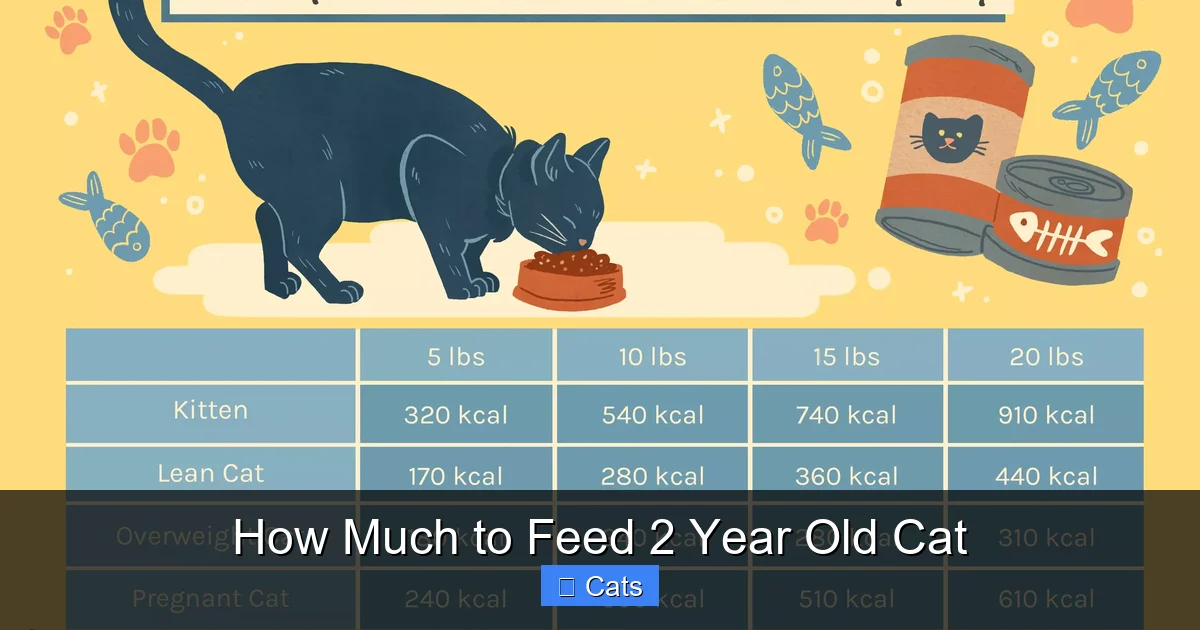
Visual guide about How Much to Feed 2 Year Old Cat
Image source: thesprucepets.com
Wet vs. Dry Food
In 2026, veterinarians continue to emphasize the importance of moisture in a cat’s diet. Cats are naturally desert creatures who get most of their water from their prey in the wild. Since they don’t have a strong thirst drive, they are prone to dehydration if they only eat dry kibble.
Many experts recommend a mixed approach. Providing a portion of high-quality wet food ensures your cat stays hydrated, which protects their kidneys and bladder. Dry food is convenient and great for dental health if the kibble is designed to clean teeth, but try to keep it to one portion of the day rather than making it the sole source of nutrition.
Reading the Ingredient Label
Look for named protein sources at the top of the ingredient list, such as “chicken,” “turkey,” or “salmon.” Avoid foods that list generic “meat by-products” or high levels of corn, wheat, or soy. Your two-year-old cat is an obligate carnivore, meaning they need animal-based protein to thrive. A protein-rich diet keeps them feeling full longer and supports lean muscle mass.
How to Monitor Your Cat’s Weight?
The most important part of knowing how much to feed 2 year old cat is observing how that food affects their body. Your hands are the best tool you have for this. You should check your cat’s body condition at least once a month.
The Rib Test
You should be able to feel your cat’s ribs without pressing hard, but you shouldn’t be able to see them. If you can’t feel the ribs at all, your cat is likely carrying extra weight. If the ribs are visible and sticking out, your cat might be underweight. Use this simple “touch test” to gauge if you need to slightly decrease or increase their daily portion.
Visual Cues
Look at your cat from above. They should have a clear “waist” behind their ribs. If they look like a straight line from their chest to their hips, they might be gaining weight. If they have a rounded belly that hangs low, it’s a sign that you should consult your vet about a weight management plan.
Setting a Feeding Schedule
Cats are creatures of habit. They love routine, and their digestive systems appreciate a predictable schedule. Knowing how much to feed 2 year old cat is only half the battle; the other half is knowing *when* to feed them.
Free-Feeding vs. Scheduled Meals
While many people prefer “free-feeding” leaving a bowl of dry food out all day – this often leads to overeating and makes it impossible to track exactly how much your cat eats. Scheduled meals are much better for monitoring your cat’s health.
Try feeding your cat two to three small meals a day. This mimics their natural behavior of eating smaller, frequent portions. If you work long hours, an automatic feeder can dispense perfectly measured portions, ensuring your cat doesn’t go too long without a meal or gorge themselves while you are away.
Managing the “Begging” Phase
We have all been there: the sad, hungry meows at 5:00 AM. It is easy to give in, but consistent mealtimes help. If you give in to begging, you are training your cat to demand food at odd hours. Stay strong, stick to your routine, and provide affection or play instead of extra treats if they seem to be begging for food when it isn’t time to eat.
Treats and Extra Calories
Treats are a wonderful way to bond with your cat, but they should never make up more than ten percent of their daily calorie intake. When you calculate how much to feed 2 year old cat, remember to subtract any treats you give throughout the day from their main meal portions.
Healthy Treat Options
Instead of high-calorie, processed treats, try offering small pieces of plain, cooked chicken or freeze-dried meat treats. These are healthier and often much more exciting to a cat than mass-produced biscuits. Remember, a “treat” can also be a special petting session or a new toy, not always food.
When to Consult a Veterinarian
If you notice your cat is suddenly eating significantly more or less than usual, it could be a sign of an underlying health issue. Thyroid problems and diabetes can both affect a cat’s appetite. If you have been consistent with the portion size but your cat’s weight is changing rapidly, a visit to the vet is necessary to rule out medical concerns.
Conclusion
Feeding your cat is one of the most consistent ways you show them love. By paying attention to their individual energy needs, choosing high-quality food, and keeping a consistent schedule, you are setting your two-year-old cat up for a long, healthy life. Remember, the best portion size is one that keeps them active, lean, and purring happily at mealtime.
Do not be afraid to adjust as they age. Your cat’s needs might change slightly as they enter their senior years, but for now, enjoy this prime stage of their life. Keep a close eye on their ribs, choose proteins they love, and enjoy the peace of mind that comes with knowing you are providing exactly what they need to thrive.
Frequently Asked Questions
How do I know if my cat is gaining too much weight?
You can tell if your cat is gaining weight by performing the “rib test” regularly. If you can no longer feel their ribs through a thin layer of fat, or if they lose their defined waist when viewed from above, they are likely carrying extra weight.
Is it okay to feed my cat only dry food?
While dry food is convenient, it is generally recommended to include some wet food in your cat’s diet to ensure proper hydration. Cats have a low thirst drive, and the moisture in wet food is vital for long-term kidney and urinary tract health.
How many times a day should I feed my 2-year-old cat?
Most adult cats do best with two to three small meals spaced throughout the day. This schedule mimics their natural desire to eat smaller, frequent portions and helps regulate their metabolism.
What should I do if my cat begs for food constantly?
If your cat begs for food, first ensure they are getting enough high-quality protein to keep them satisfied. If they are fed enough, offer extra playtime instead of food, as they are likely seeking engagement or attention rather than additional calories.
Can I use an automatic feeder for my cat?
Yes, automatic feeders are excellent tools for maintaining a consistent feeding schedule and portion control. They are especially helpful if you have a busy work schedule and want to ensure your cat eats at the same time every day.
How can I tell if the food I’m buying is good quality?
Look for a clear, named protein source (like chicken or salmon) as the first ingredient on the label. Avoid foods with vague “meat meal” or high amounts of fillers like corn and wheat, and aim for a high protein-to-carbohydrate ratio.