
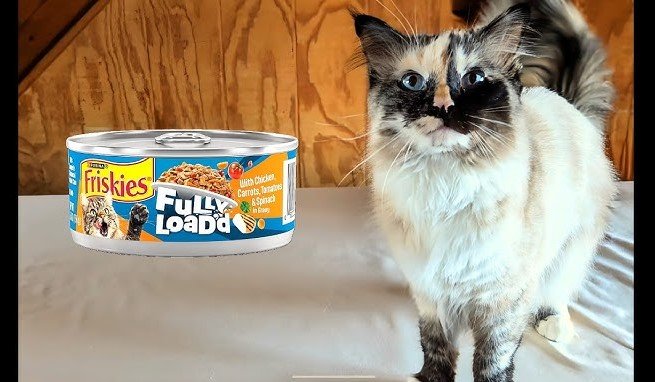
Feeding your cat the right amount of Friskies wet food is essential for their long-term health and weight management. By calculating your cat’s specific caloric needs based on their age, activity level, and weight, you can ensure they receive the perfect portion sizes to thrive in 2026 and beyond.
Bringing a cat into your home is one of the most rewarding experiences you can have. As we navigate 2026, we have access to more nutritional information than ever, yet many pet parents still find themselves staring at a shelf of Friskies wet food, wondering exactly how much to put in the bowl.
It is a common question because every cat is unique just like people, their metabolism and energy needs change throughout their lives. Feeding time should be a bonding experience, not a source of stress.
Whether you are dealing with a playful kitten who seems like a bottomless pit or a senior cat who prefers a nap to a game of fetch, finding the right balance of Friskies wet food is the secret to a long, happy life. In this guide, we will break down the science of feline nutrition in simple terms so you can feel confident every time you pop open a can.
Key Takeaways
- Caloric Needs: Most adult cats require about 20 to 30 calories per pound of body weight daily to maintain a healthy size.
- Check the Label: Always refer to the specific feeding guidelines on the back of the Friskies wet food can, as recipes vary in calorie density.
- Age Matters: Kittens require significantly more energy for growth than senior cats, who generally have slower metabolisms.
- Monitor Body Condition: Use the “body condition score” method to check if your cat is at an ideal weight rather than relying solely on the scale.
- Consistency is Key: Split the daily total into two or more meals to help your cat stay satisfied and support healthy digestion.
- Transition Slowly: When changing diets or Friskies varieties, introduce the new food gradually over a week to prevent tummy upsets.
Understanding the Basics of Cat Nutrition
Before we dive into the exact numbers, it helps to understand what makes a cat thrive. Cats are obligate carnivores, meaning they require nutrients found in animal tissues to survive. Friskies wet food is designed to meet these needs, providing both essential protein and high water content, which is crucial for kidney and urinary tract health.
Why Wet Food Wins
In 2026, veterinarians consistently recommend wet food as a primary part of a cat’s diet. Because cats have a low thirst drive in the wild, they naturally get most of their hydration through their prey. Wet food mimics this, helping keep your cat hydrated. When you choose Friskies wet food, you are helping your cat maintain healthy hydration levels, which supports overall organ function.
Calculating Daily Calories
To determine how much Friskies wet food to feed a cat, we start with calories. On average, a healthy, indoor adult cat needs roughly 20 to 30 calories per pound of body weight each day. A ten-pound cat, for example, typically needs between 200 and 300 calories per day. However, this is just a baseline. Factors like your cat’s activity level and whether they have been spayed or neutered can change these numbers significantly.
Tailoring Portions to Your Cat’s Life Stage
Your cat’s needs change as they age. A growing kitten is essentially a little energy machine, while a senior cat is more of a low-energy cruiser. Adjusting your portioning of Friskies wet food based on their age is vital.
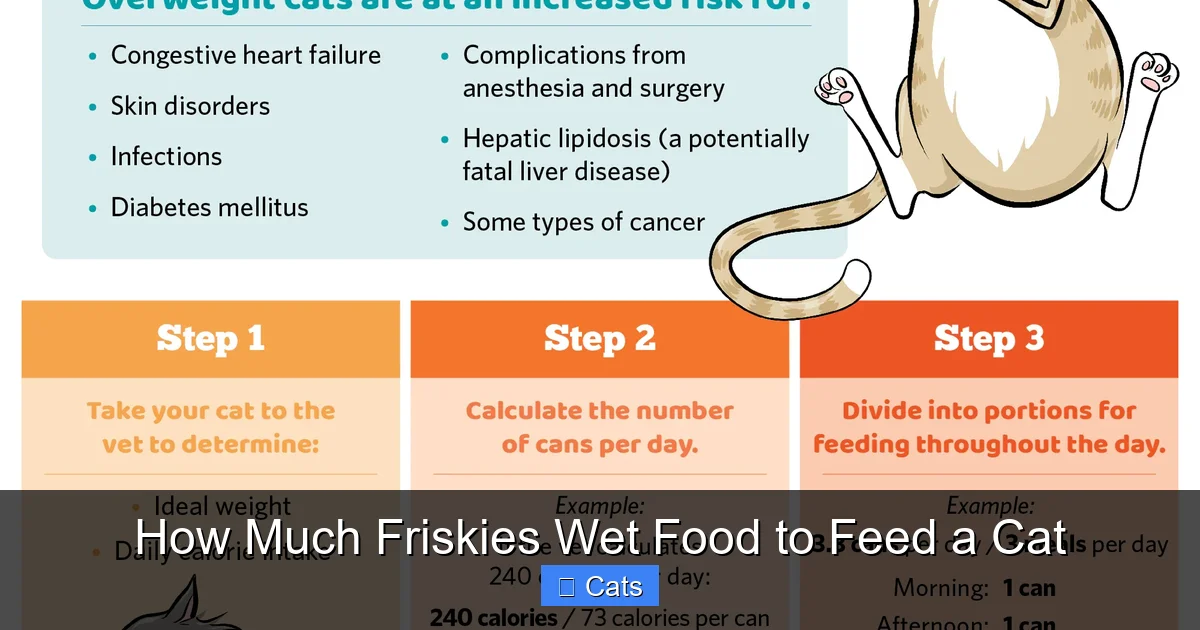
Visual guide about How Much Friskies Wet Food to Feed a Cat
Image source: petmd.com
Feeding Growing Kittens
Kittens need a lot of fuel. Between the ages of six weeks and six months, they are growing at a rapid pace. During this stage, you should feed them more frequently often three to four times a day. Friskies offers varieties specifically formulated for growth, and you should allow them to eat until they are satisfied, provided they are not gaining weight too rapidly.
The Needs of Adult Cats
Once your cat reaches adulthood usually around one year their growth slows down. Now, you need to be more mindful of portions. Most adult cats do well with two meals a day. If you notice your cat starts to gain a little “holiday weight,” you may need to reduce the portion slightly. Using a kitchen scale to measure the weight of the Friskies wet food can be much more accurate than guessing with a spoon.
Caring for Senior Cats
As cats enter their senior years, their metabolism often slows down. However, some senior cats may lose muscle mass and actually need different protein levels. Always consult your vet if you notice your older cat losing weight or becoming less interested in food. You might need to warm up the Friskies wet food slightly to make it more aromatic for them.
Reading the Label: Your Best Resource
The most reliable guide for how much Friskies wet food to feed a cat is the label on the can itself. Manufacturers spend a significant amount of money and time conducting feeding trials to determine the ideal serving sizes for their specific products.
Decoding the Feeding Guidelines
You will usually find a small chart on the label that lists weight categories. It might say something like, “Feed one can per 3 to 3.5 pounds of body weight.” This is a great starting point. Remember that these guidelines are just that guidelines. They are designed for an “average” cat, but your cat might be slightly more or less active than the average.
Considering Calorie Density
Not all Friskies wet food is created equal. A pâté style might have a different calorie count than a shredded or flaked variety in gravy. When switching between flavors or textures, check the calorie density. If you change products, you might need to adjust the amount you put in the dish to keep the total daily calorie intake the same.
The Importance of Monitoring Body Condition
Scales can be misleading, especially with different cat breeds. Instead of obsessing over the number on the scale, focus on the “Body Condition Score.” This is a simple visual and touch-based check you can do at home.
The Feel and Look Test
To check your cat’s condition, look at them from above. You should see a slight hourglass shape at the waist. From the side, their tummy should be tucked up. When you gently run your hands over their ribs, you should be able to feel the ribs under a thin layer of muscle and fat, but they shouldn’t feel sharp or completely covered by a thick pad of fat.
Adjusting Portions Based on Results
If you feel like your cat is getting too round, reduce their Friskies wet food portion by about 10 percent and monitor them for two weeks. If they seem too thin, increase it slightly. Consistent monitoring is the most effective way to ensure you are feeding the correct amount for your specific cat’s lifestyle in 2026.
Common Pitfalls and How to Avoid Them
We all love to spoil our cats, but overfeeding is a common issue that can lead to obesity. Understanding the traps of feeding can help you manage your cat’s health better.
The “Free Feeding” Trap
Leaving food out all day can make it hard to track how much your cat is actually eating. With wet food, this also creates a hygiene issue, as the food can dry out or spoil. Stick to scheduled meal times. This not only keeps the food fresh but also allows you to notice immediately if your cat’s appetite changes, which is often the first sign of illness.
Accounting for Treats
Don’t forget that treats count as calories! If you are giving your cat extra treats throughout the day, those calories must be subtracted from their main Friskies wet food meals. A good rule of thumb is to ensure that treats make up no more than 10 percent of your cat’s total daily caloric intake.
Managing Multi-Cat Households
In a house with multiple cats, it is easy for one cat to eat another’s portion. If you have a “bully” eater, consider feeding them in separate rooms. This ensures every cat gets exactly the right amount of food they need, preventing one from becoming overweight while the other goes hungry.
Conclusion
Determining how much Friskies wet food to feed a cat doesn’t have to be a guessing game. By combining the manufacturer’s guidelines with your observations of your cat’s activity level and body condition, you can create a feeding routine that keeps them healthy and energized for years to come. In 2026, we have the tools and the knowledge to provide the best care possible for our feline companions.
Remember that feeding is a dynamic process. As your cat moves from their kitten years into adulthood and eventually into their senior stage, your approach should evolve with them. Keep an eye on their weight, talk to your vet, and above all, enjoy those quiet moments of connection during mealtime. Your cat will thank you for it with purrs, head-butts, and years of companionship.
Frequently Asked Questions
How do I know if I am overfeeding my cat?
You can tell if you are overfeeding by checking your cat’s body condition score; if you cannot easily feel their ribs or if they have lost their waistline, they may be overweight. Monitor their portions closely and consult your vet if you notice steady weight gain despite consistent activity.
Can I mix dry food with Friskies wet food?
Yes, mixing is perfectly fine as long as you calculate the total calories from both sources to ensure you aren’t overfeeding. Many owners choose to mix to provide both the texture of dry kibble and the hydration benefits of wet food.
How long can Friskies wet food stay out?
Once served, wet food should not be left out for more than 30 to 60 minutes to ensure safety and freshness. After that, it can harbor bacteria or simply become unappealing to your cat, so it is best to pick up any leftovers.
Should I feed my cat at the same time every day?
Feeding at consistent times helps regulate your cat’s metabolism and makes it easier to notice if they have a change in appetite. Establishing a routine also helps keep them calm and creates a predictable structure in their daily lives.
Is it okay to switch between Friskies flavors?
Most cats can handle flavor variety, but it is best to introduce new flavors slowly over a few days to avoid digestive upset. If your cat has a sensitive stomach, stick to one variety they handle well.
How do I transition my cat to a new diet?
Always transition your cat slowly by mixing a small amount of the new food with their old food over a period of 7 to 10 days. Gradually increase the new food while decreasing the old, which helps their digestive system adjust comfortably.