
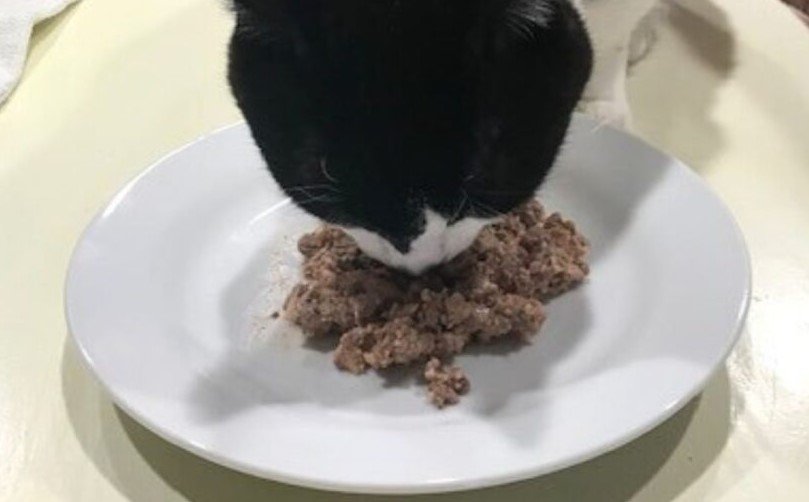
Boiled chicken can be a healthy, protein-rich treat for your cat when prepared correctly and served in moderation. As a general rule, treats like plain boiled chicken should never exceed 10% of your cat’s total daily caloric intake to ensure they maintain a balanced diet.
We all love spoiling our furry friends, and there is something incredibly rewarding about watching your cat enjoy a home-cooked treat. If you have been wondering how much boiled chicken to feed cat, you are certainly not alone. Many pet owners in 2026 are looking for simple, whole-food additions to their cat’s diet. Boiled chicken is a popular choice because it is lean, packed with protein, and generally easy for cats to digest.
However, while chicken is a fantastic source of nutrition, it is not a complete meal on its own. Cats have very specific dietary needs that commercial cat food is designed to meet. Adding too much human food even healthy stuff like chicken can accidentally throw off the balance of vitamins and minerals your cat needs to thrive. In this guide, we will break down exactly how to safely incorporate this snack into your cat’s routine.
Key Takeaways
- The 10% Rule: Treats, including boiled chicken, should make up no more than 10% of your cat’s daily calories to avoid nutritional imbalances.
- Preparation Matters: Always boil chicken plain in water never use onions, garlic, salt, or oils, as these are toxic or harmful to cats.
- Serve in Moderation: Start with small portions, such as a teaspoon or two, to see how your cat’s stomach reacts before offering more.
- Remove Everything: Always discard bones, skin, and fat before serving to prevent choking hazards and digestive upset.
- Consult Your Vet: If you are using boiled chicken as a temporary diet for an upset stomach, always clear the “bland diet” approach with your veterinarian first.
Understanding Your Cat’s Nutritional Needs
Cats are obligate carnivores. This means their bodies are built to process meat and rely on nutrients found almost exclusively in animal tissue. While they love the taste of plain boiled chicken, their daily meals must contain a precise blend of taurine, vitamins, and minerals that you cannot replicate by just boiling a breast on the stove.
Why Protein is Essential
Protein is the building block of your cat’s muscles, skin, and coat. When you provide high-quality boiled chicken, you are giving them a clean source of energy. However, even though they crave meat, they cannot live on meat alone. Commercial diets are “fortified” to ensure your cat gets the right levels of amino acids, especially taurine, which is vital for heart and eye health.
The Role of Calories
Every cat has a different “calorie budget” based on their age, weight, and activity level. An indoor senior cat needs far fewer calories than a playful one-year-old kitten. When you ask how much boiled chicken to feed cat, you are essentially asking how to fit a high-protein snack into that budget. If your cat eats too much chicken, they might skip their regular food, which leads to a nutritional deficit over time.
The Golden Rule of Treats
Veterinarians often talk about the “10% rule.” This is the best way to determine how much boiled chicken to feed cat without causing long-term harm. Essentially, 90% of your cat’s calories should come from a nutritionally complete cat food, while the remaining 10% can come from treats.
Visual guide about How Much Boiled Chicken to Feed Cat
Image source: vocalcats.com
Calculating Portions
For an average 10-pound cat, 10% of their calories usually amounts to about 20 to 30 calories. A small, one-ounce serving of plain boiled chicken breast contains roughly 30 to 35 calories. This means a treat of about half an ounce roughly a small chunk is more than enough for a day. It is always better to start small, especially if your cat has a sensitive stomach.
Watching for Weight Gain
In 2026, feline obesity remains a top concern for pet parents. It is easy to accidentally overfeed when we give treats out of love. If you notice your cat gaining weight, the first thing you should do is cut back on extra treats like boiled chicken. Keep a close eye on their waistline and adjust your portions accordingly.
Safe Preparation Techniques
If you have decided that a little bit of chicken is the perfect reward, you have to be careful with the preparation. You cannot simply share a piece of chicken from your dinner plate if it was cooked with seasoning, butter, or oil.
Boiling the Right Way
The only way to cook chicken for a cat is in plain water. Do not add salt, pepper, onion powder, or garlic powder. Onions and garlic are highly toxic to cats and can cause severe damage to their red blood cells. Even small amounts can be dangerous, so keep your chicken strictly for the cat.
Removing Hazards
Always ensure the chicken is thoroughly cooked to avoid bacteria like salmonella. Once it is cooked, remove the skin and any visible fat. High-fat foods can cause pancreatitis in some cats, leading to vomiting and lethargy. Finally, ensure there are absolutely no bones. Even cooked bones can splinter and puncture a cat’s throat or digestive tract.
When to Use Boiled Chicken as a Bland Diet?
Sometimes, your veterinarian might suggest boiled chicken if your cat has an upset stomach. When a cat has diarrhea or mild digestive distress, a “bland diet” of boiled chicken and sometimes white rice is often recommended to help soothe their system.
The Temporary Nature of Bland Diets
It is crucial to understand that this is only a temporary solution. Do not keep your cat on a chicken-only diet for more than a few days without consulting your vet. Cats require specific nutrients that are missing from a plain chicken diet. If the digestive issues persist for more than 48 hours, you need professional medical advice.
Introducing It Slowly
If your cat is currently sick, introduce the boiled chicken in very small, frequent meals. This prevents their stomach from feeling overwhelmed. If they handle it well, you can gradually mix it back with their regular food until they are back to their normal diet. If they refuse to eat, do not force it—contact your clinic immediately.
Monitoring Your Cat’s Reaction
Every cat is an individual. Some cats have very robust systems, while others are prone to food sensitivities. Even if you prepare the chicken perfectly, your cat might have a unique reaction to the protein change.
Signs of an Upset Stomach
Keep a close watch on your cat for 24 hours after giving them a piece of chicken. Look for signs like vomiting, diarrhea, lethargy, or loss of appetite. If you notice any of these, discontinue the treats immediately. Some cats may have an underlying poultry allergy, which is actually more common than many owners realize.
Behavioral Cues
Does your cat seem overly excited or begging for more? If they start acting picky about their regular kibble or wet food because they are waiting for the “good stuff,” you should reduce the frequency of the chicken treats. You want your cat to maintain a healthy interest in their balanced commercial diet, so treat the boiled chicken as a special event, not a regular meal replacement.
Conclusion
The bottom line is that while your cat might look at you with pleading eyes for a bite of your chicken, you have the responsibility to keep them healthy. Knowing how much boiled chicken to feed cat is all about moderation, preparation, and balance.
By sticking to the 10% rule, using only plain water to boil the meat, and keeping a watchful eye on their digestive health, you can safely share this tasty treat with your companion.
In 2026, we have access to more knowledge about feline health than ever before. Use that knowledge to make informed choices. If you ever feel unsure, a quick call to your local vet is always the safest route. Enjoy those special bonding moments with your cat, and remember that sometimes, just a tiny bite is more than enough to make their day!
Frequently Asked Questions
Can I season the chicken if I use healthy herbs?
No, you should never add herbs or spices to chicken intended for your cat. Many common herbs and spices are toxic to felines, and their digestive systems are not designed to process seasonings.
Is it okay to feed my cat raw chicken instead of boiled?
Feeding raw meat carries a significant risk of bacterial contamination, such as salmonella or E. coli, which can make both your cat and your household sick. It is always safer to thoroughly boil or cook the chicken to an internal temperature of 165°F.
How often can I give my cat boiled chicken?
You can give your cat small portions of boiled chicken a few times a week as a treat. However, ensure it never exceeds 10% of their total daily caloric intake to prevent nutritional deficiencies.
Can kittens eat boiled chicken?
Kittens have very sensitive digestive systems and require highly specific, nutrient-dense kitten food to support their growth. It is best to avoid feeding them human food unless specifically instructed to do so by your veterinarian.
My cat ate chicken skin by accident, will they be okay?
One accidental serving of chicken skin is usually not an emergency, but it is high in fat and can cause digestive upset or pancreatitis in sensitive cats. Keep a close eye on their bowel movements and energy levels, and contact your vet if they show signs of vomiting or pain.
Does boiled chicken count as a balanced meal?
No, boiled chicken is not a complete or balanced meal because it lacks the necessary vitamins, minerals, and taurine that cats need. It should only ever be offered as an occasional treat or a temporary bland diet under vet supervision.