
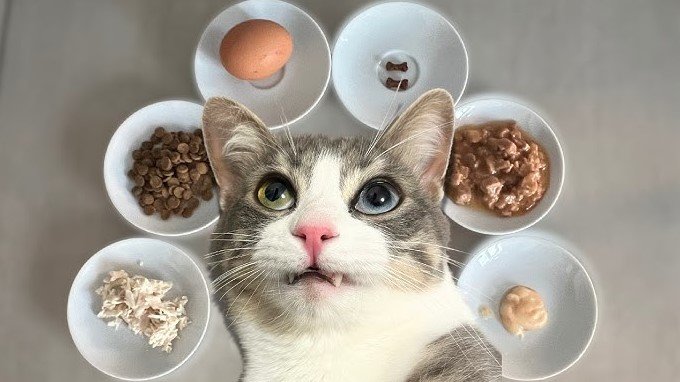
Determining how many times should I feed my cat depends on your pet’s age, health status, and lifestyle. Most adult cats thrive on two small meals per day, while kittens require more frequent feedings to support their rapid growth. Always consult your veterinarian to create a custom plan that keeps your cat happy and healthy.
Bringing a feline companion into your home is one of the most rewarding experiences you can have. As we move through 2026, our understanding of feline nutrition has evolved, yet one question remains top of mind for every new and seasoned cat parent: how many times should I feed my cat? It is a simple question on the surface, but the answer is nuanced because every cat is a unique individual with different metabolic needs.
Many people assume that leaving a big bowl of kibble out all day is the best approach. However, modern veterinary advice often suggests that structured meal times are better for monitoring health and managing weight. By the end of this guide, you will feel confident in setting up a feeding routine that keeps your furry friend purring with satisfaction.
Key Takeaways
- Age Matters: Kittens need to eat 3-4 times a day, while adult cats usually do well with two scheduled feedings.
- Health Needs: Cats with conditions like diabetes or obesity require specific, strictly timed meals rather than free-feeding.
- Portion Control: Overfeeding is a common cause of feline obesity; use a scale or measuring cup to track exact amounts.
- Consistency is Key: Feeding your cat at the same times every day helps regulate their metabolism and reduces begging behavior.
- Quality Over Quantity: The number of feedings matters less if the food lacks essential nutrients; always choose high-protein, meat-based options.
Understanding the Feline Digestive System
Why Cats Are Natural Nibblers
In the wild, your cat’s ancestors were small game hunters. They did not sit down for two big square meals a day. Instead, they caught multiple small meals—mice, insects, and birds—throughout a 24-hour cycle. This biological history explains why your cat might prefer to eat small amounts frequently.
Understanding this helps us answer how many times should I feed my cat. While they are programmed to nibble, our domestic lifestyle often makes constant grazing impractical. If you leave food out all day, it can go stale, attract pests, or lead to “mindless snacking” that causes your cat to gain too much weight.
The Benefits of Scheduled Meals
Moving toward a scheduled feeding routine offers several benefits. First, it allows you to observe your cat’s appetite. If your cat usually devours their food but suddenly ignores a meal, you will know immediately that something might be wrong. This early detection is vital for catching illnesses before they become serious.
Second, it helps you manage your cat’s weight. Obesity is the most common health issue for indoor cats in 2026. By controlling when and how much they eat, you take the guesswork out of calorie management.
Life Stage Feeding Schedules
Kittens: Growing Fast
If you have a kitten, the question “how many times should I feed my cat” has a very specific answer. Kittens have tiny stomachs but very high energy needs. They are growing rapidly and need frequent fuel. Experts generally recommend feeding kittens four times a day until they are about six months old.
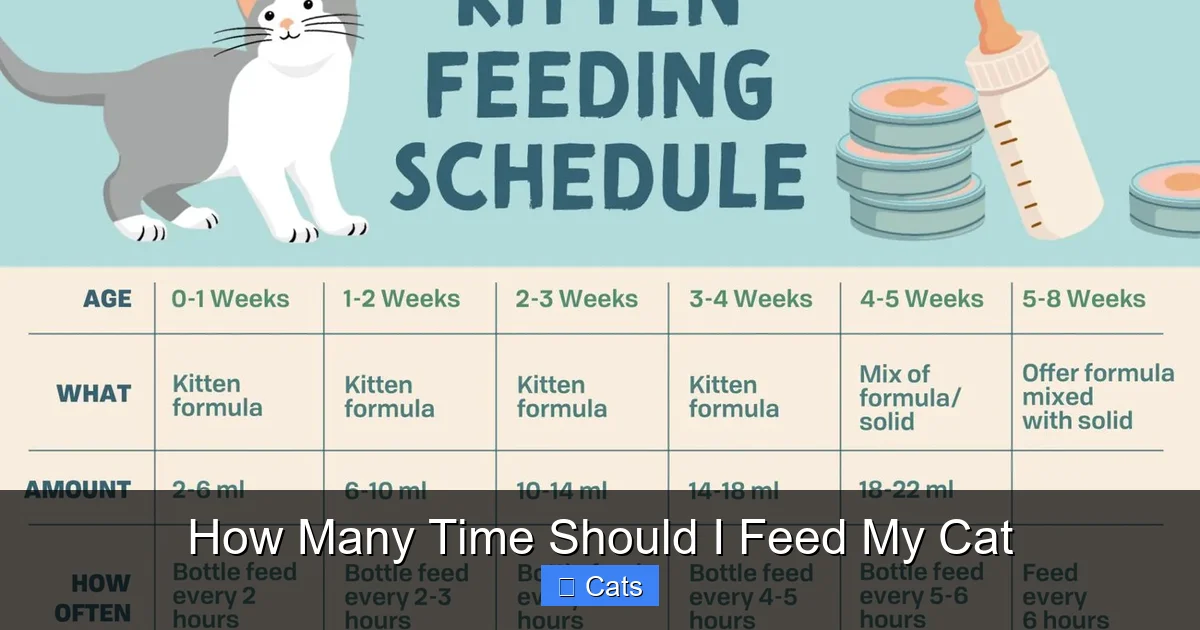
Visual guide about How Many Time Should I Feed My Cat
Image source: dailypaws.com
Once they pass the six-month mark, you can slowly transition them to three meals a day. By the time they reach their first birthday, you can shift to the standard adult schedule of two meals per day. Always use high-quality kitten food, as it contains extra protein and fats necessary for development.
Adult Cats: Finding the Balance
For the average adult cat, two meals per day one in the morning and one in the evening is the “gold standard.” This keeps their blood sugar stable and satisfies their natural hunting rhythm. If you work long hours, you might consider an automatic feeder that dispenses measured portions at set times.
Some cats will still beg for food. Remember that begging does not always mean hunger. It is often a plea for attention or boredom. If your cat is at a healthy weight, stick to the schedule rather than giving in to the “sad eyes” routine.
Senior Cats: Gentle Maintenance
As cats enter their senior years, usually around age 10 or 11, their activity levels drop. Their metabolism slows down, meaning they require fewer calories than they did in their prime. You might keep the feeding schedule at two times per day, but you must adjust the portion sizes carefully.
Senior cats may also deal with dental issues or kidney sensitivities. If your cat seems to struggle with eating, talk to your vet about switching to softer wet food or smaller, more frequent meals that are easier on their digestion.
Wet Food vs. Dry Food: Does it Change the Frequency?
The Advantages of Wet Food
Wet food is excellent because it provides much-needed hydration. Many cats do not drink enough water, which can lead to urinary tract issues. Because wet food spoils quickly once opened, you cannot leave it out all day. This naturally encourages a structured feeding time.
If you feed wet food, you should aim to remove any uneaten portion after about 30 minutes. This keeps the meal fresh and prevents bacteria growth. Many owners find that serving wet food at breakfast and dinner works perfectly for this reason.
The Convenience of Dry Food
Dry food is convenient, but it carries a higher risk of overfeeding. If you use dry food, it is helpful to use a puzzle feeder. These toys force your cat to “work” for their food, simulating hunting behavior and slowing down their eating pace. This can effectively turn one large meal into a longer, more engaging experience.
Managing Weight Through Timing
Signs Your Cat is Overweight
You should be able to feel your cat’s ribs without a thick layer of fat. If you look down at your cat from above, they should have a visible waist. If they look round or have a heavy “pouch” hanging low, they may be overweight. How many times should I feed my cat if they are chubby? In this case, consistency is more important than ever.
Tips for Portion Control
Use a kitchen scale rather than a plastic measuring cup. Scoops are often inaccurate, and even a small “extra” shake of the bag can add up to dozens of extra calories per day. Check the back of your cat food bag for feeding guidelines based on weight, but remember these are just estimates. Adjust based on your cat’s activity level.
Common Challenges and How to Solve Them
Dealing with Multiple Cats
If you have more than one cat, mealtimes can turn into a competitive event. One cat might be a fast eater who steals food from the slower cat. To prevent this, feed your cats in separate rooms or use microchip-activated feeders that only open for a specific cat. This ensures everyone gets their fair share.
Nighttime Meowing
If your cat wakes you up at 3:00 AM for food, you have accidentally trained them to believe that begging equals results. Do not reward this behavior. If you must feed them at night, use an automatic feeder that delivers a small snack at that time so the cat associates the machine, not you, with the food.
Conclusion
Answering “how many times should I feed my cat” is about creating a rhythm that works for both you and your pet. By moving toward a structured schedule, you are not just feeding your cat; you are showing them love through consistent care. Whether you have a playful kitten or a wise senior, the secret to a healthy feline life is balancing their instinctual needs with your daily routine.
Remember that your veterinarian is your best partner in this journey. If you are ever unsure about your cat’s weight or appetite, a quick check-up can provide peace of mind. Keep an eye on those portions, maintain a consistent schedule, and enjoy the many years of purrs and head-butts that follow!
Frequently Asked Questions
Is it okay to free-feed my cat dry food?
Free-feeding often leads to obesity and makes it hard to monitor your cat’s actual food intake. It is generally recommended to switch to measured, scheduled meals to keep your cat at a healthy weight.
What if my cat refuses to eat at a set time?
Some cats are naturally picky or used to grazing. You can encourage a transition by being consistent and removing uneaten food after 30 minutes, which creates a natural incentive for them to eat when it is offered.
How much should I feed my cat at each meal?
The amount depends on your cat’s age, weight, and the calorie density of the food. Check the feeding guide on your cat food packaging and divide that daily total by the number of meals you plan to serve.
Can I mix wet and dry food?
Yes, mixing both can be a great way to provide hydration from wet food while keeping the convenience of dry food. Just be sure to subtract the calories from the dry portion to avoid overfeeding.
Why does my cat beg for food constantly?
Cats often beg due to boredom or a desire for human interaction rather than true hunger. Try engaging them with play or using puzzle feeders to distract them before assuming they need another meal.
Do cats need a midnight snack?
Most healthy adult cats do not need to eat in the middle of the night. If your cat is waking you up, it is likely a behavioral habit that you can gently break by adjusting the timing of their evening meal.