
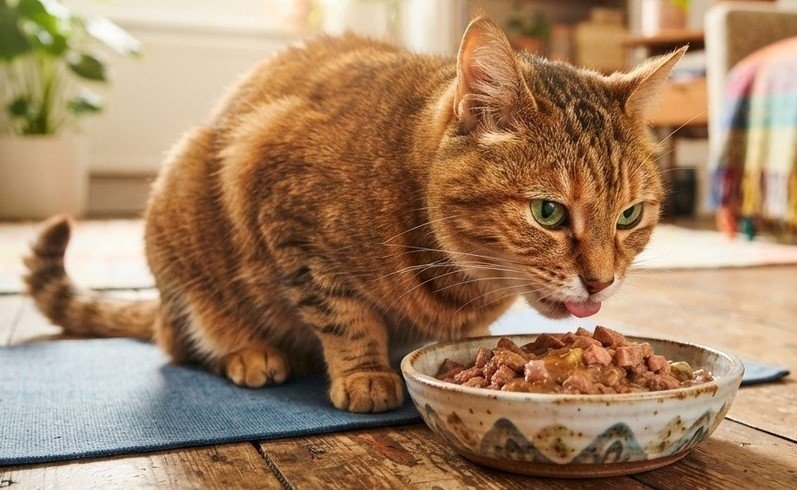
Helping your senior cat regain lost weight requires a careful balance of high-calorie nutrition, regular veterinary checkups, and appetite stimulation. By focusing on nutrient-dense proteins and healthy fats, you can help your aging feline companion maintain a healthy body condition while addressing potential health underlying issues.
Watching your loyal, furry friend grow older is one of the most rewarding parts of being a pet parent. You have spent years building a bond, and naturally, you want to ensure they stay healthy and happy as they enter their golden years. However, sometimes you might notice that your cat looks a little thinner than they used to. Seeing those bony hips or feeling their spine more prominently can be heart-wrenching.
If you are wondering what to feed an old cat to gain weight, you are definitely not alone. Many senior cats experience natural shifts in their metabolism, digestion, and appetite. Whether it is due to a medical condition or just the natural slowing down of their system, getting them back to a healthy weight is a top priority for 2026 pet owners. In this guide, we will walk through how to help your senior friend safely bulk up and feel like their youthful self again.
Key Takeaways
- Vet First: Always rule out medical conditions like hyperthyroidism or kidney disease before changing your cat’s diet to help them gain weight.
- High-Calorie Boost: Focus on foods specifically formulated for weight gain or kitten growth formulas, which are richer in calories and essential nutrients.
- Appetite Matters: If your cat won’t eat, use warming tricks or toppers to make their meal more aromatic and tempting.
- Small, Frequent Meals: Aging cats often digest better when fed several small portions throughout the day rather than one large meal.
- Hydration is Vital: Always ensure easy access to fresh water, as dehydration can quickly worsen weight loss in older cats.
- Track Progress: Keep a weight log to monitor your cat’s progress and identify if a specific food or strategy is working effectively.
The First Step: Understanding Why Weight Loss Occurs
Before you run to the store to buy every high-calorie snack available, it is essential to stop and look at the “why.” Weight loss in older cats is rarely just about needing more food. It is often a symptom of an underlying health shift that requires a professional opinion.
Consult Your Veterinarian
The most important step is scheduling a visit to your local vet. In 2026, we have access to advanced diagnostic tools that can pinpoint exactly what is happening inside your cat’s body.
Your vet might want to run blood tests to check for common senior issues like kidney disease, diabetes, or hyperthyroidism. These conditions change the way a cat processes food. If you skip the vet, you might just be masking a symptom while the actual health problem continues to progress.
Monitoring Changes in Behavior
Keep a close eye on your cat’s day-to-day life. Are they drinking more water than usual? Are they more vocal? Are they hiding or sleeping in strange places? These behavioral clues can help your vet determine if the weight loss is purely dietary or if there is a medical issue at play. Knowing these details will help you and your vet decide on the right diet plan.
Choosing the Right Food for Weight Gain
Once you have the green light from your veterinarian, it is time to look at the menu. Not all cat foods are created equal, especially when your goal is to help your senior cat gain weight. You need nutrient-dense options that provide more calories without forcing your cat to eat huge, uncomfortable portions.
Visual guide about What to Feed an Old Cat to Gain Weight
Image source: petshun.com
High-Calorie Formulas
Look for canned foods labeled for “growth” or “all life stages.” These are formulated for kittens, but they are excellent for senior cats who need to gain weight. They are typically higher in healthy fats and protein, which are the building blocks your cat needs to add body mass. These formulas are also often more palatable, which is a big plus for seniors who might be a bit picky.
The Role of Protein and Fat
Protein is the most important component for preventing muscle wasting in aging cats. You want to look for high-quality, animal-based proteins like chicken, turkey, or salmon. Healthy fats provide a concentrated source of energy, which is perfect for cats who get tired easily or have a smaller appetite. When choosing what to feed an old cat to gain weight, check the back of the label for these high-protein and fat percentages.
Making Meals Irresistible
Sometimes, the issue isn’t that the food isn’t calorie-dense; it’s that the cat simply doesn’t want to eat it. As cats age, their sense of smell can diminish, making them less interested in their bowl. You can use several simple, effective tricks to make their meals smell and taste better.
Warming Up the Food
A simple trick is to add a tablespoon of warm water to your cat’s canned food or pop it in the microwave for just five to ten seconds. Heating the food releases natural aromas that can stimulate your cat’s appetite. Just be sure to stir it well and test the temperature with your finger to make sure it isn’t too hot, as you don’t want to burn their mouth.
Using Tasty Toppers
If your cat is turning their nose up at their normal diet, try adding a topper. A small spoonful of low-sodium chicken broth (make sure it contains no onions or garlic, as these are toxic to cats), a sprinkle of nutritional yeast, or even some freeze-dried salmon can do wonders. These additions make the meal feel like a special treat and can encourage them to finish their serving.
Establishing a Feeding Routine
How you serve the food is just as important as what you serve. For senior cats, their digestion can be a bit more sensitive than it was when they were younger. Keeping a consistent, gentle routine will help them absorb their nutrients better.
Small and Frequent Meals
Instead of one or two large meals, try feeding your cat four or five smaller meals throughout the day. This puts less strain on their digestive system and ensures they have a steady supply of energy. If you work away from home, an automatic pet feeder can be a great investment for 2026. You can pre-portion the meals so your cat always has access to fresh, small servings.
Creating a Low-Stress Environment
Senior cats often prefer peace and quiet. If you have other pets or a noisy household, move your cat’s food bowl to a quiet, secluded area where they feel safe. If they are stressed during mealtime, they are much less likely to eat their full portion. Providing a secure, comfortable space is a simple way to encourage healthy eating habits.
Supplements and Medical Considerations
Sometimes, even the best food isn’t enough, and you might need to discuss specific supplements with your vet. Some senior cats struggle to digest nutrients properly, and supplements can bridge that gap.
Probiotics and Digestive Enzymes
If your cat has a sensitive stomach or is losing weight due to poor absorption, your vet might recommend a probiotic or digestive enzyme. These can help balance the gut bacteria and ensure your cat is getting the most out of every calorie they consume. Never add these without a professional recommendation, as you want to ensure the product is safe for your cat’s specific health profile.
Managing Mobility Issues
If your cat is thin because they struggle to walk to their food bowl due to arthritis, consider raising their bowl. Using an elevated stand can make it much easier for them to eat without straining their neck or joints. Sometimes the simple act of making food easier to reach is all it takes to get them eating more frequently.
Tracking Success and Adjusting the Plan
Weight gain should be a slow and steady process. Rapid weight gain is rarely healthy and can put unnecessary stress on your cat’s organs. Aim for slow, consistent progress over several weeks.
Keeping a Weight Journal
Weigh your cat weekly using a digital baby scale or by weighing yourself and then weighing yourself while holding the cat. Keep a journal of these numbers. If you notice the weight plateauing or dropping, talk to your vet to adjust the caloric density of the food or to rule out any new medical issues. Having this data makes it much easier for your vet to help you make informed decisions.
Patience is Key
Finally, remember that patience is essential. Your cat has been a companion for many years, and this transition into their later years is a journey. By providing them with high-quality nutrition, a comfortable environment, and regular checkups, you are giving them the best possible chance to regain their strength and enjoy their time with you.
If you follow these steps on what to feed an old cat to gain weight, you are doing everything in your power to support their health and happiness.
Caring for an aging pet is a labor of love. While the process of helping them gain weight might take time and dedication, seeing them perk up, groom themselves more, and return to their favorite sunny spots is worth every bit of the effort. Stay consistent, stay observant, and always keep your veterinarian involved in the process to ensure your senior cat is thriving.
Frequently Asked Questions
Should I switch my senior cat to kitten food for weight gain?
Kitten food is often higher in calories and nutrients, which can be helpful for weight gain, but you should only make this change after consulting your vet. Some senior cats with kidney or heart issues need specific nutrient restrictions that kitten food might violate.
How often should I weigh my cat while trying to help them gain weight?
Weighing your cat once a week is usually sufficient to track progress without causing unnecessary stress. Keep a written log so you can easily spot trends or shifts in their body condition over time.
What can I do if my cat refuses to eat the new, calorie-dense food?
Try mixing the new food with their old food in small increments to get them used to the taste and texture. You can also try warming the food slightly or adding a topper like low-sodium chicken broth to increase its appeal.
Are there any human foods that are safe for a cat to gain weight?
Most human foods are not ideal for cats, and many contain ingredients like garlic or onion that are toxic. Stick to commercially prepared cat foods recommended by your vet, or plain, unseasoned cooked proteins like chicken if explicitly cleared by your vet.
Could my cat’s weight loss be related to dental pain?
Yes, dental issues are very common in senior cats and can make eating painful, leading to weight loss. If your cat approaches the bowl but then walks away or drops food, have your vet check their mouth for sores or tooth decay.
How long should it take for my cat to reach a healthy weight?
Weight gain in cats should be slow and controlled, usually over several weeks or even months. Rapid weight gain can be harmful, so focus on steady, consistent improvement rather than speed.