
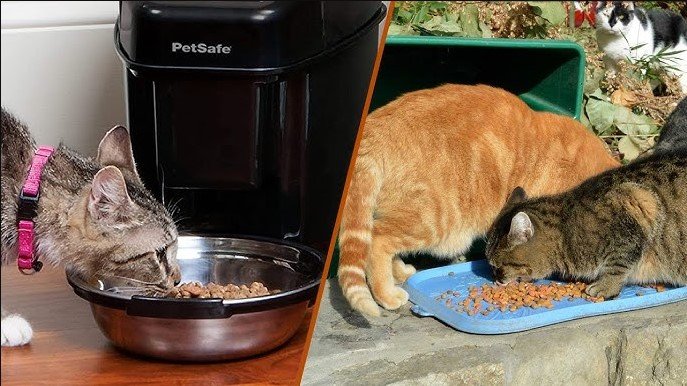
Feeding your cat twice a day is generally recommended by modern veterinarians to support stable blood sugar levels and healthy digestion. While some owners consider a single daily feeding, splitting meals helps prevent overeating and keeps your cat satisfied throughout the day.
Bringing a feline friend into your home is one of life’s greatest joys, but it comes with a list of big responsibilities. One of the most common questions new and experienced owners ask in 2026 is, “Should I feed my cat once or twice a day?” It seems like a simple choice, but your cat’s feeding schedule has a massive impact on their long-term health, weight, and even their behavior around the house.
If you have ever stared at your cat’s food bowl wondering if you are doing it right, you are definitely not alone. We all want our pets to live their best, healthiest lives. Whether you have a playful kitten or a relaxed senior, the rhythm of their daily meals can help them thrive. Let’s look at the science and the practical habits that make for a happy, well-fed cat.
Key Takeaways
- Twice-Daily Advantage: Feeding twice a day mimics a cat’s natural hunting cycle and stabilizes their metabolism.
- Individual Needs Matter: Age, activity level, and specific health conditions play a huge role in determining the right schedule.
- Avoid Free-Feeding: Leaving food out all day can lead to obesity and makes it hard to track appetite changes.
- Monitor Portions: Use a kitchen scale to measure food precisely rather than “eyeballing” it to prevent weight gain.
- Listen to Your Vet: Always consult your veterinarian before making sudden changes to your pet’s feeding routine.
The Science of Feline Digestion
To understand the frequency of feeding, we have to look at how a cat’s body actually works. Cats are obligate carnivores, meaning their systems are designed to process frequent, small meals of protein. In the wild, cats are solitary hunters. They do not eat one massive meal and then nap for twenty hours; they hunt multiple small rodents or insects throughout the day and night.
Mimicking Natural Behaviors
When you ask, “Should I feed my cat once or twice a day,” think about that natural hunting cycle. Feeding your cat once a day forces their body to go through long periods of fasting followed by a sudden intake of a large volume of food. This can put unnecessary stress on their digestive system. By splitting their daily caloric intake into two meals, you are essentially mimicking the smaller, more frequent “hunts” their ancestors enjoyed.
Stabilizing Blood Sugar
Just like humans, cats need stable blood sugar to remain active and alert. A single, large meal can cause a spike in glucose, which then drops rapidly as the day goes on. This dip can lead to increased hunger, begging behaviors, and even lethargy. Two meals—one in the morning and one in the evening—help keep their energy levels steady. This balance is especially important for indoor cats who may not get as much exercise as their wild counterparts.
The Benefits of Twice-Daily Feeding
For the vast majority of adult cats, twice-daily feeding is the gold standard. It provides a structure that both you and your pet can rely on. When you establish a routine, your cat knows exactly when to expect their next meal, which can reduce anxiety and “hangry” behavior.
Visual guide about Should I Feed My Cat Once or Twice a Day
Image source: petmd.com
Weight Management Made Easy
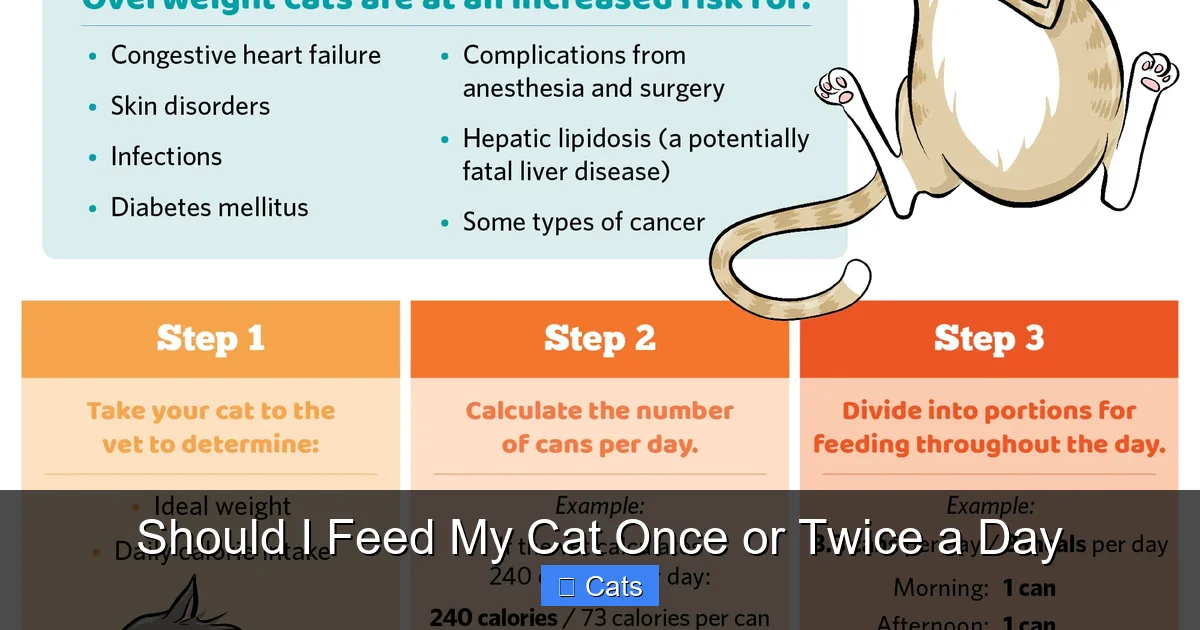
Obesity is a major health concern for cats in 2026, often caused by overfeeding or uncontrolled access to food. When you feed twice a day, you are naturally forced to measure the food. This makes it much easier to stick to the specific calorie guidelines recommended by your vet. If you leave food out all day, it is almost impossible to know exactly how much your cat has consumed.
Early Detection of Illness
One of the most practical tips for pet owners is to monitor appetite. If your cat usually devours their breakfast but suddenly turns their nose up at it one morning, that is a clear red flag. If you are free-feeding (leaving food out all day), you might not notice a change in appetite for twenty-four hours or more. Feeding on a schedule ensures you see their eating habits clearly every single day.
Why Once-Daily Feeding Is Usually Not Enough
Some people try feeding their cat once a day to save time or because it seems simpler. However, this is rarely recommended by veterinary professionals. When you provide only one meal, your cat has to wait twenty-four hours for the next one. This long interval can cause several issues.
Digestive Discomfort
Feeding once a day can lead to stomach issues like acid buildup. If the stomach stays empty for too long, your cat might experience nausea or even bile vomiting. This is not only uncomfortable for the cat, but it is also a mess you have to clean up. Most cats simply feel better when their digestive system is kept moving with a consistent intake.
Behavioral Problems
Cats that only get one meal a day are more likely to become obsessive about food. They may follow you around, meow loudly, or even become aggressive if they think they are starving. By spreading the food out, you keep their satisfaction levels higher. A cat that knows a second meal is coming at dinner time is usually much more relaxed during the afternoon hours.
Age and Life Stage Considerations
While the “twice-a-day” rule applies to most adult cats, life stages play a massive role in how you should approach mealtime. You should not treat a growing kitten the same way you treat a senior cat with specific health needs.
Feeding Growing Kittens
Kittens are high-energy machines. They are growing rapidly and require much more energy per pound of body weight than adults. You absolutely should not feed a kitten only once or twice a day. They generally require three to four small meals during their first six months of life to keep up with their metabolic needs.
Feeding Senior Cats
As cats age, their metabolism slows down, and they may develop health conditions like kidney disease or diabetes. For these cats, the “should I feed my cat once or twice a day” question becomes even more critical. Your vet might actually suggest feeding smaller, more frequent meals to ensure they get enough nutrients without overloading their internal organs. Always tailor your approach based on the specific health profile of your senior cat.
How to Transition Your Cat to a Schedule
If you currently let your cat graze all day, moving to a twice-daily feeding schedule can seem daunting. Cats are creatures of habit and they do not always love change. However, with a few simple steps, you can make the transition smooth and stress-free.
Start Slowly
Do not go cold turkey on the first day. Start by picking two specific times, such as 7:00 AM and 7:00 PM. For the first few days, continue to leave a little bit of food out during the day but start reducing the amount. Gradually decrease the “snack” portions until they are only eating at the two set meal times.
Create a Feeding Routine
Cats thrive on predictability. If you feed them at the same time every day, they will soon learn the routine. This builds a sense of security. You can even use a specific sound, like the shaking of a bag or a specific whistle, to signal that it is mealtime. This creates a positive association with your schedule.
Use Food Puzzles for Enrichment
If your cat is used to having food available 24/7, they might be bored when you move to scheduled meals. To bridge the gap, use food puzzles or treat-dispensing toys for a portion of their meal. This turns eating into a game, which is great for their mental health and prevents them from gobbling their food too quickly.
Final Thoughts on Feline Nutrition
At the end of the day, there is no “one size fits all” answer that works for every single cat on the planet. However, for the average, healthy adult cat, feeding twice a day is the gold standard for maintaining a healthy weight and a happy, stable temperament. It allows you to monitor their health, control their caloric intake, and bond with them through a consistent routine.
If you are still unsure about your cat’s specific needs, the best person to talk to is your local veterinarian. They know your cat’s medical history and can provide a tailored feeding plan that keeps your feline friend purring for years to come. Remember, the quality of the food matters just as much as the frequency, so choose a high-protein, nutritionally complete diet to go along with your new, improved feeding schedule.
Frequently Asked Questions
Is it okay to leave food out for my cat all day?
While convenient, leaving food out—known as “free-feeding”—often leads to overeating and obesity. It also makes it difficult to track exactly how much your cat is eating, which is a vital indicator of their health.
What if my cat is a picky eater?
If your cat is picky, scheduled meals can actually help! By removing the bowl after 20 minutes, your cat learns that mealtime is an “event,” which often encourages them to eat when the food is fresh.
Can I mix dry and wet food in one meal?
Yes, you can mix wet and dry food as long as you are tracking the total calories for the day. Many owners find that adding a bit of water or wet food to dry kibble helps with hydration.
What is the best time of day to feed my cat?
The best time is whenever fits your schedule consistently! Try to align the meals with your own routine, such as once when you wake up and once when you return from work or before you go to bed.
Will my cat get aggressive if I switch to scheduled feeding?
It is normal for a cat to show some confusion during the first few days of a schedule change. However, they usually adjust quickly once they learn that their food is guaranteed at specific times.
How do I know if I am feeding the right amount?
Check the packaging of your cat food for weight-based guidelines and use a digital kitchen scale to measure portions. If your cat is gaining or losing weight, adjust the amount slightly and consult your vet.