
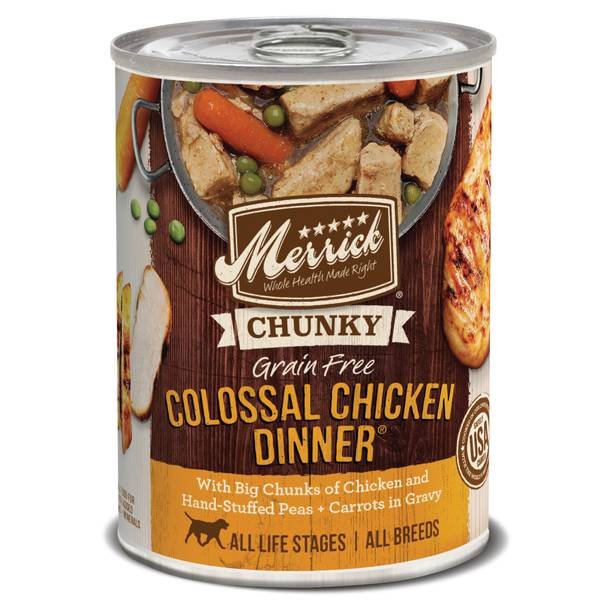
Deboned chicken is bone-free chicken meat used in dog food for quality protein.
If you have ever wondered what is deboned chicken in dog food, you are in the right place. I’ve helped many pet parents read tricky labels and pick safe, tasty food. In this guide, I break down what is deboned chicken in dog food, how it is made, why it matters, and how to choose the best bag or can for your dog.

What Is Deboned Chicken in Dog Food, Exactly?
Deboned chicken means raw chicken meat with all bones removed before it goes into the recipe. It is the same edible meat you know from the store, without wings, legs, or bones. Brands add it to boost protein and flavor.
When people ask what is deboned chicken in dog food, I explain it like this: it is a clean, named animal protein. It is not a vague “poultry” or “meat.” It is simple, real chicken meat. That clarity helps you trust what your dog is eating.
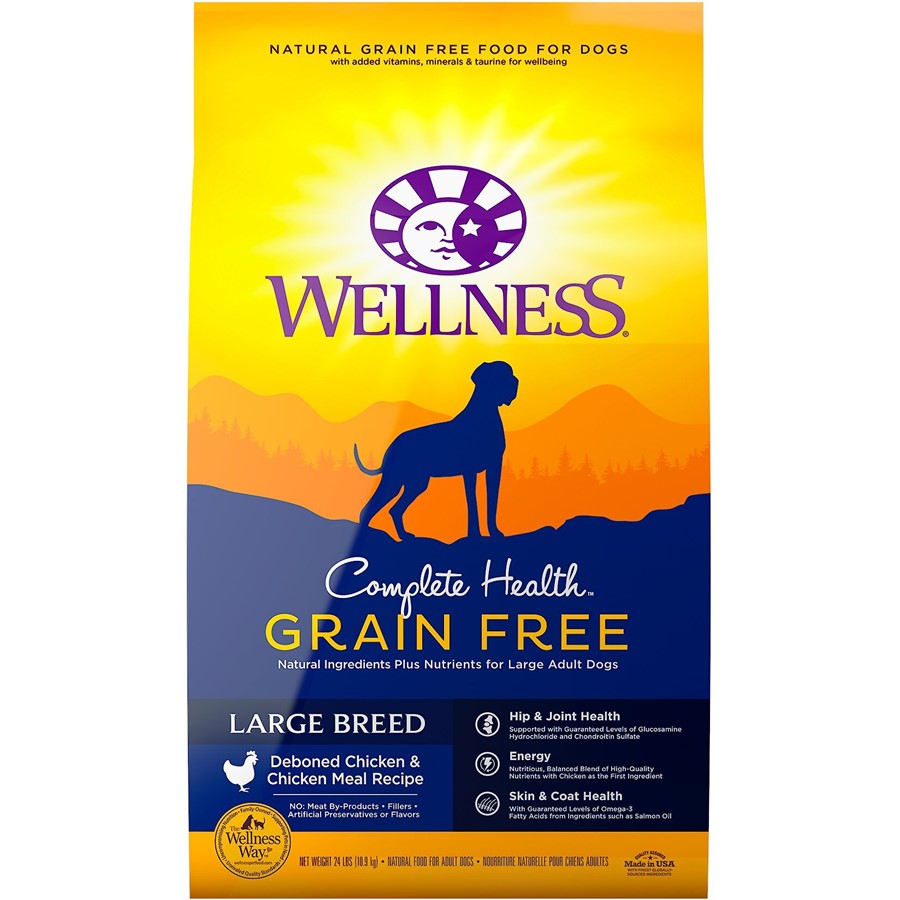
How It’s Made and Used in Kibble and Wet Food
Deboned chicken starts as raw chicken. Workers or machines remove the bones. The meat then goes to cooking or grinding.
In kibble, the meat is mixed with other ingredients, cooked, dried, and shaped. In canned food, it is cooked with broth or gravy. Either way, the goal is safe, tasty, and balanced food for your dog.
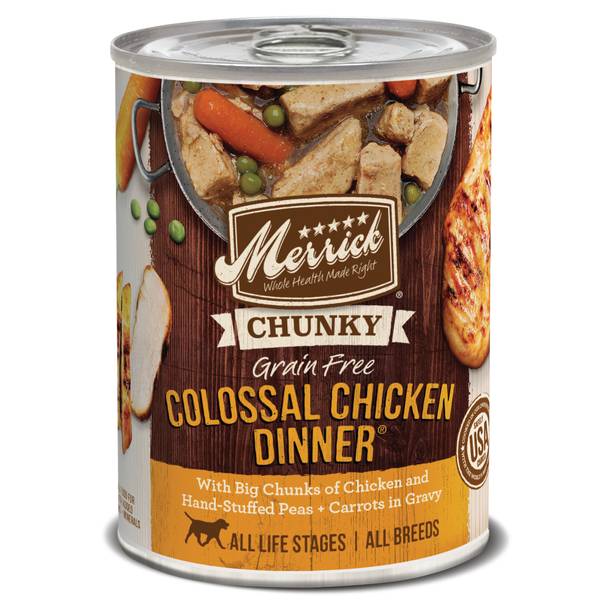
Nutrition Snapshot of Deboned Chicken
Deboned chicken is rich in high-value protein. It has key amino acids like lysine and methionine. These help muscle repair and a strong immune system.
It also has natural fat for energy and taste. You will find B vitamins and minerals like selenium and phosphorus. On a dry-matter basis, the protein is strong and easy to use by the body.
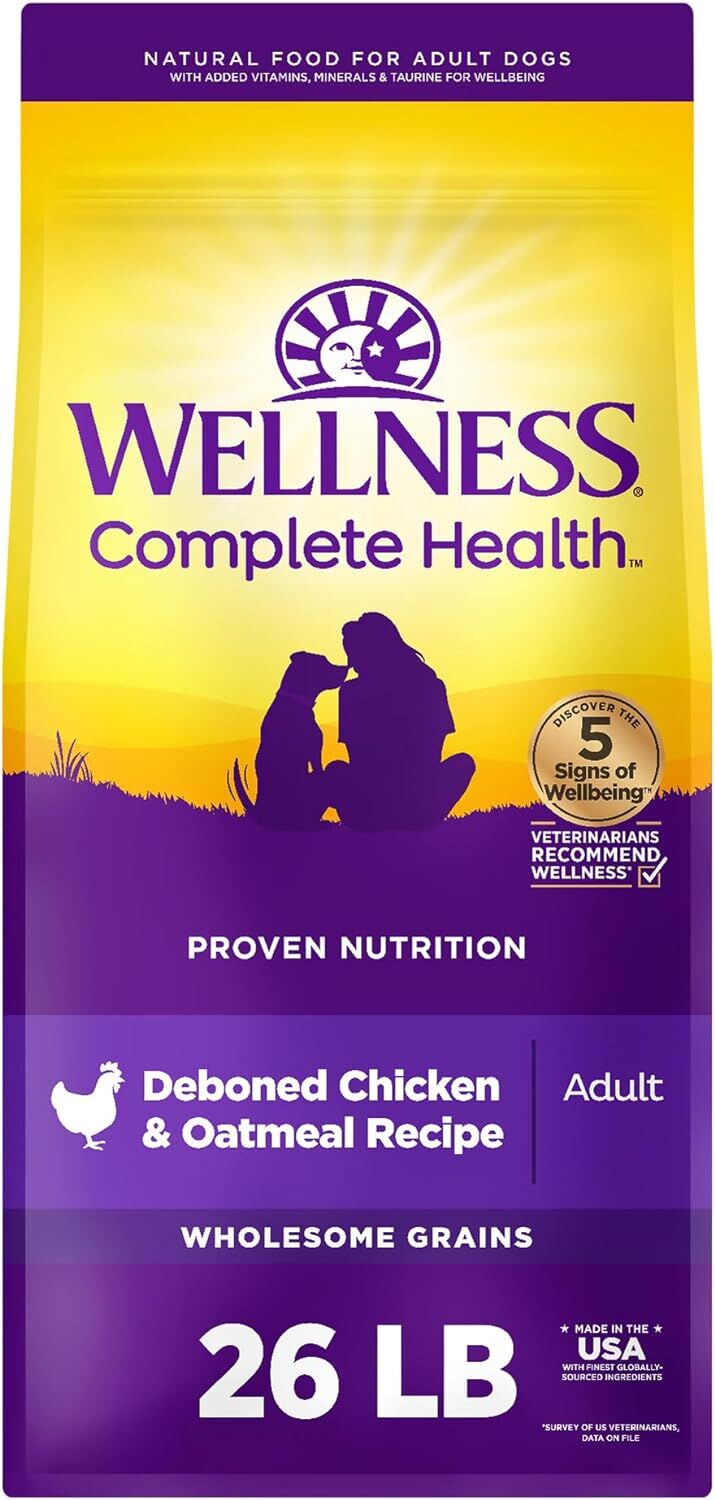
Benefits of Deboned Chicken in Dog Food
- Great taste for picky eaters. Many dogs love the smell and flavor.
- Strong amino acid profile for lean muscle and recovery.
- Gentle on many stomachs when cooked well and paired with good carbs.
- Clear naming supports label trust and transparency.
- Often pairs well with probiotics and fiber for good gut health.
If you search what is deboned chicken in dog food to help a fussy dog, this ingredient is a top start. It is a simple, real-food way to boost appeal and protein.

Limits and Caveats to Know
Deboned chicken has a lot of water before cooking. On an as-fed basis, that can make the first ingredient look huge, but it shrinks after drying. Chicken meal, by contrast, is already dried and dense.
Bone is removed, so calcium must come from other sources. Good brands balance minerals to meet standards. Watch for fat content if your dog has a history of pancreatitis. Dogs with chicken allergy should avoid it.
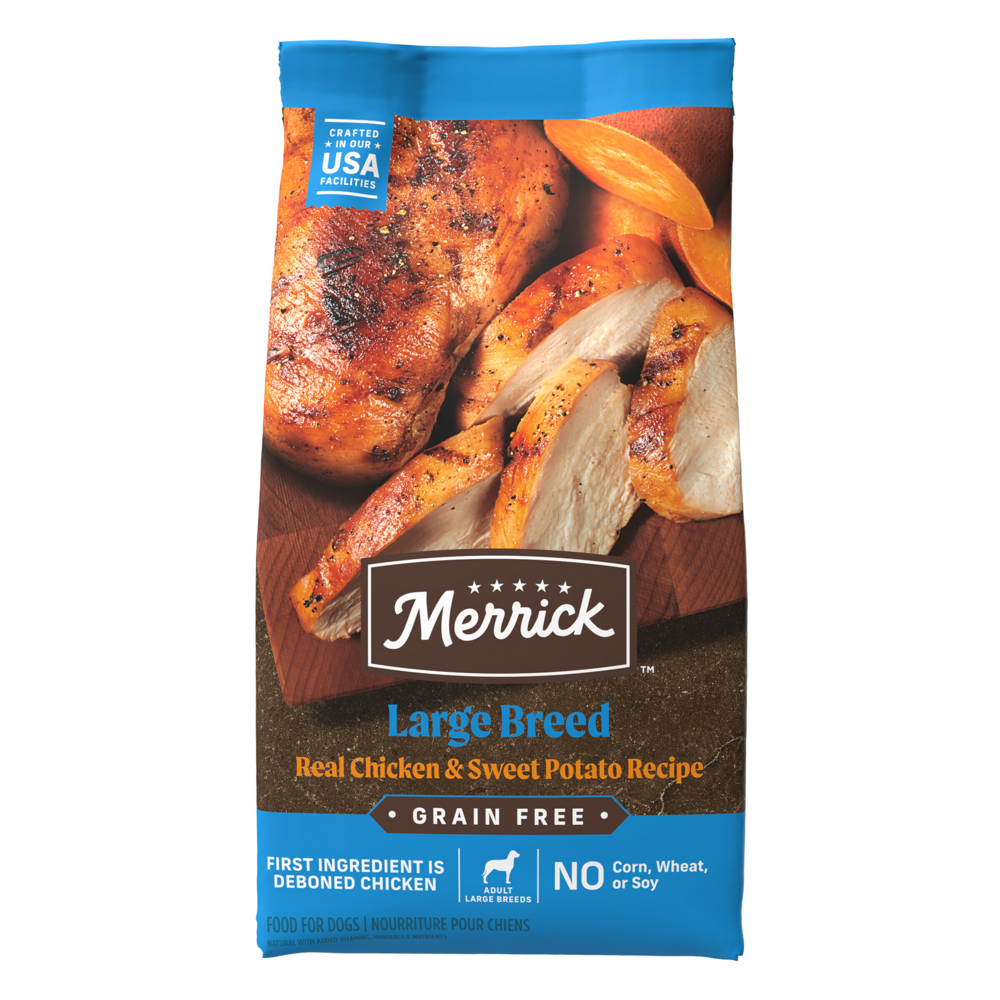
How to Read the Label with Confidence
- Look for the words deboned chicken or chicken as named protein.
- Compare it with chicken meal. Both can be great. The whole recipe matters.
- Check for the statement complete and balanced for your dog’s life stage.
- Review the guaranteed analysis. Look at protein, fat, and fiber.
- Scan the ingredient list for by-products if you want to avoid them.
- Watch for ingredient splitting that may push grains or starch lower in the list.
When people ask what is deboned chicken in dog food and how to judge it, I say: read past the first word. The full formula, feeding trials, and brand quality all count.

Deboned Chicken vs Chicken Meal vs Chicken By-Products
- Deboned chicken: fresh, bone-free meat. Tasty and clear. Moisture lowers its density before cooking.
- Chicken meal: rendered, dried chicken. Very dense in protein by weight. Often a smart choice in kibble.
- Chicken by-product meal: organ meats and other parts. Quality can vary. It can add nutrients, but it is less clear.
A strong recipe can use both deboned chicken and chicken meal. What is deboned chicken in dog food becomes one part of a bigger picture: quality control, balance, and safety.
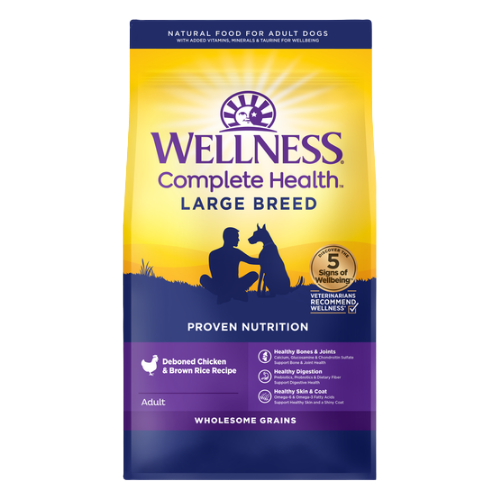
Is It Right for Your Dog’s Age and Needs?
Deboned chicken can work for many dogs. Active adults often do well on it. It can help picky eaters enjoy meals.
Puppies need complete and balanced recipes with correct calcium and phosphorus. Seniors may need lower calories but steady protein. Dogs with chicken allergy or fat limits need other proteins or low-fat options.
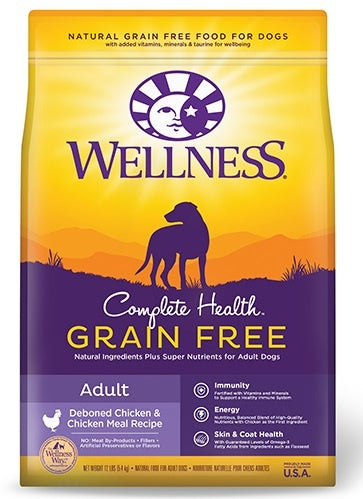
How to Choose a Food with Deboned Chicken
- Match life stage. Puppy, adult, or senior.
- Look for clear proteins first. Deboned chicken, chicken meal, or both.
- Check protein-to-fat balance for your dog’s activity level.
- Prefer named fats like chicken fat. Avoid vague animal fat.
- Seek fiber from beet pulp, pumpkin, or oat fiber for gut health.
- Favor brands that state quality testing and safe sourcing.
- Pick recipes with feeding trials when possible.
If you still wonder what is deboned chicken in dog food and how to pick a bag, try small bags first. Watch your dog’s stool, coat, and energy for two weeks.
Safety, Storage, and Feeding Tips
- Transition slow. Mix the new food over 7 to 10 days.
- Store kibble in the original bag, inside an airtight bin.
- Seal cans and refrigerate leftovers. Use within two days.
- Rotate proteins if your vet agrees, to lower food boredom.
- Track weight, stool, and skin. Adjust as needed.
These steps keep what is deboned chicken in dog food from being only a label term. They turn it into daily results you can see.
Field Notes from My Own Experience
I have guided many clients who had picky eaters. Deboned chicken often won them over in days. One shy rescue started to finish meals once we used a deboned chicken and rice formula.
I also learned to watch fat levels. A high-fat recipe upset one senior’s tummy. We switched to a moderate-fat deboned chicken recipe with added fiber. The stools firmed up, and the dog kept good weight. These small checks matter as much as the buzzwords.
Frequently Asked Questions of what is deboned chicken in dog food
What is deboned chicken in dog food?
It is chicken meat with bones removed before cooking and mixing into the recipe. It offers clear, named animal protein for taste and muscle support.
Is deboned chicken better than chicken meal?
Not always. Deboned chicken has more moisture, while chicken meal is protein dense. The best foods often use both.
Can dogs with allergies eat deboned chicken?
If your dog is allergic to chicken, avoid it. Talk to your vet and try a novel protein like duck or fish.
Does deboned chicken provide enough calcium?
Not by itself. Good brands add minerals or other sources to meet balanced levels for growth or adult needs.
Is deboned chicken good for puppies?
Yes, if the recipe is complete and balanced for growth. Check calcium and phosphorus and follow your vet’s advice.
Why is deboned chicken listed first on many labels?
It is high in water, so it can rank first before cooking. After drying, chicken meal may contribute more protein by weight.
How can I tell if a food with deboned chicken is high quality?
Look for named proteins, clear fat sources, no vague terms, and complete and balanced claims. Check brand testing and your dog’s results.
Conclusion
Deboned chicken is simple, real chicken meat without bones. It adds taste and high-value protein that many dogs enjoy. What is deboned chicken in dog food matters, but the full recipe, testing, and fit for your dog matter more.
Use this guide to read labels with ease, pick a sound formula, and watch your dog thrive. Ready to take the next step? Compare two foods this week, note the differences, and share your questions or wins in the comments.