
Feeding your cat turkey is generally safe and healthy, provided it is cooked plain and served in moderation. While lean turkey is a great source of protein, you must avoid seasoned, fried, or processed meats that contain harmful additives like onion or garlic.
As we head into 2026, many cat owners are looking for ways to spice up their feline’s diet. We often find ourselves at the dinner table, looking down at a plate of delicious roasted turkey, and wondering, “Is it ok to feed cats turkey?” It is a common question because we want to share our favorite meals with our furry companions. After all, cats are carnivores by nature, so meat is usually right up their alley.
The short answer is yes, it is generally safe to share a small bite of turkey with your cat. However, the way you prepare that turkey makes a world of difference. Not all turkey is created equal, and what might be a festive treat for us can sometimes turn into a medical emergency for a pet. In this guide, we will break down exactly how to safely share this protein-packed snack with your favorite cat.
Key Takeaways
- Lean Protein Source: Plain, cooked turkey is high in protein and low in fat, making it an excellent occasional treat for your cat.
- The “Plain” Rule: Never feed your cat turkey that has been seasoned with salt, garlic, onion, or butter, as these are toxic to felines.
- Avoid Bones: Cooked turkey bones are brittle and can splinter, causing dangerous choking hazards or internal punctures.
- Portion Control: Turkey should only be a supplementary snack and not a replacement for a balanced, vet-approved cat food diet.
- Watch for Allergies: Introduce new foods slowly to monitor your cat for signs of digestive upset, such as vomiting or diarrhea.
- Skip the Skin: Turkey skin contains high levels of fat, which can lead to weight gain or even dangerous conditions like pancreatitis in cats.
Understanding Your Cat’s Nutritional Needs
Before we look at the turkey itself, it helps to remember that cats are “obligate carnivores.” This means their bodies are biologically designed to thrive on a diet derived almost entirely from animal tissue. They require specific amino acids, like taurine, that are found in meat. Turkey, being a lean source of animal protein, aligns well with these biological needs.
Protein vs. Fillers
In the wild, a cat’s diet consists of high-protein, moderate-fat, and very low-carbohydrate intake. When we look at commercially available cat food, we often see a lot of fillers. Adding a bit of real, cooked turkey provides a boost of high-quality protein that is easily digestible. Think of it as a natural alternative to the processed meat treats you might find at the grocery store.
The Benefits of Lean Meat
Turkey is lower in calories than many other meats if you prepare it correctly. By providing plain, white meat, you give your cat the building blocks for strong muscles and a healthy heart. However, because cats are small, their caloric needs are also small. A little bit goes a long way, and it is important to treat turkey as a supplement, not a meal replacement.
The Golden Rules of Preparing Turkey
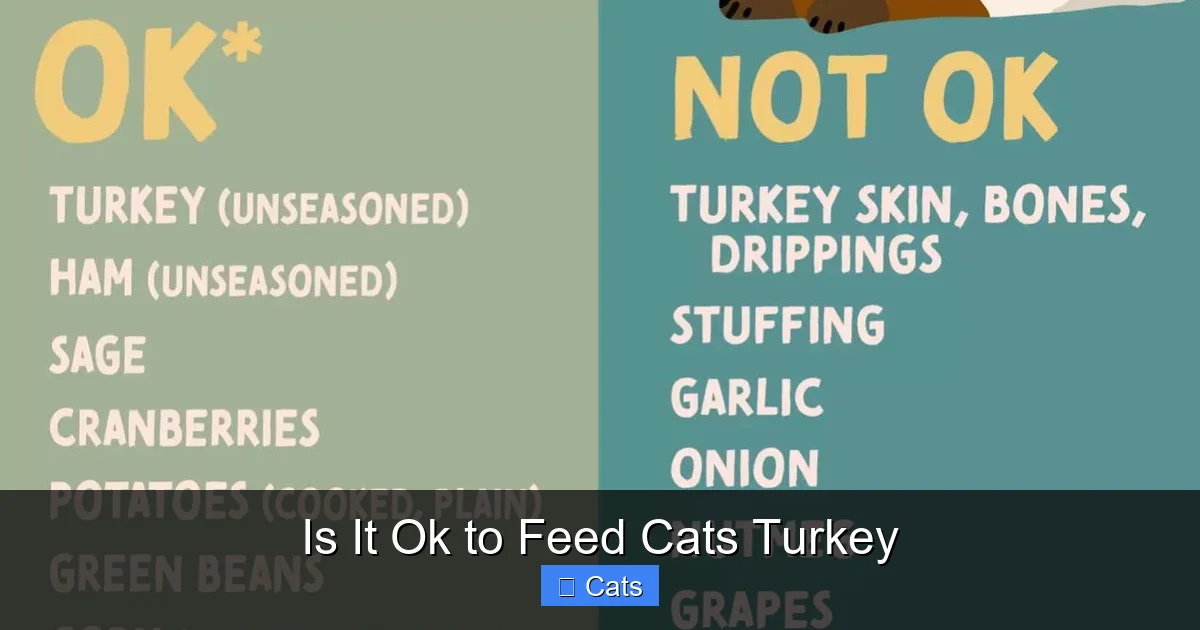
If you are asking, “Is it ok to feed cats turkey,” you must also ask, “How was it cooked?” This is where most cat owners run into trouble. We love to flavor our food, but many of the things we add to turkey are actually dangerous for cats. You should never let your cat eat turkey that has been cooked with common kitchen staples.
Visual guide about Is It Ok to Feed Cats Turkey
Image source: i.redd.it
Avoid Toxic Seasonings
Onions, garlic, chives, and leeks are extremely toxic to cats. These ingredients, even in powdered form, can damage a cat’s red blood cells, leading to a serious condition called anemia. Furthermore, salt is another big “no-no.” Cats are much more sensitive to sodium than humans are. A piece of turkey that tastes perfect to you might contain enough salt to dehydrate your cat or put a strain on their kidneys.
The Dangers of Fats and Oils
When you roast a turkey, you might use butter, olive oil, or basting juices. While these make the meat juicy for us, they are often too rich for a cat’s sensitive stomach. High-fat diets can lead to pancreatitis, a painful and life-threatening inflammation of the pancreas. Always strip the skin off the turkey and ensure the meat is unseasoned, boiled, or baked without any fats added.
Safety First: Handling Bones and Scraps
We have all seen cartoons where a cat happily gnaws on a bone, but in real life, this is a recipe for disaster. Turkey bones are notoriously dangerous. Whether they are raw or cooked, bones can pose a significant health risk to your feline companion.
Why Bones are a Choking Hazard
Cooked turkey bones become brittle and dry. When a cat chews on them, they can splinter into sharp, needle-like shards. These shards can puncture the delicate lining of the cat’s mouth, esophagus, or digestive tract. This is not just painful; it often requires emergency surgery to fix. If you want to give your cat turkey, ensure it is completely de-boned, shredded meat.
The Risk of Raw Turkey
You might have heard about raw food diets for pets. While some people advocate for raw feeding, there is a risk of salmonella and other bacteria when handling raw poultry. If you do choose to feed raw turkey, you must practice extreme hygiene to protect both yourself and your cat. For most pet owners, fully cooked, plain turkey is the safest and most convenient route.
Portion Control and Frequency
So, you have a piece of plain, boiled, boneless turkey. How much should you feed your cat? Even though it is a healthy source of protein, it should never exceed 10% of their total daily caloric intake. If you feed them too much turkey, they might get too full to eat their regular, nutrient-balanced cat food, which could lead to nutritional deficiencies over time.
Creating a Healthy Snack Routine
Think of turkey as a “bonus” item. You could use it as a reward for training or just a little extra protein on a special occasion. A small piece, about the size of your thumbnail, is plenty for a typical house cat. If your cat has a sensitive stomach, start with an even smaller amount to see how they handle it.
Signs of Overindulgence
How do you know if you have given your cat too much? Keep an eye out for signs of stomach upset. If your cat starts vomiting, has loose stools, or seems lethargic shortly after eating, they may have an intolerance to the change in diet. Always contact your veterinarian if these symptoms persist for more than 24 hours.
When to Consult Your Vet
Every cat is unique. Some cats can handle a wider variety of foods, while others are very sensitive. If your cat has pre-existing health conditions, such as kidney disease or food allergies, you should always consult your vet before adding new items to their diet.
Identifying Food Allergies
While turkey is not a common allergen, some cats can still develop sensitivities to specific proteins. If your cat develops itchy skin, constant grooming, or digestive issues after eating turkey, they might have an allergy. In these cases, it is best to stick to their standard diet to keep them feeling their best.
Monitoring Weight
In 2026, obesity remains one of the most common health issues for indoor cats. If your cat is already struggling with their weight, adding extra calories even healthy ones like turkey might not be the best idea. Always talk to your vet about your cat’s specific weight management plan before adding treats to their daily routine.
Conclusion
Is it ok to feed cats turkey? Yes, it is, as long as you follow the rules. It is a fantastic, lean source of protein that most cats find delicious. By keeping it plain, removing all bones and skin, and ensuring it is free from dangerous seasonings like garlic and onions, you can safely share the joy of a turkey snack with your pet.
Remember that balance is the key to a long, happy life for your cat. Turkey should be a treat, not a meal staple. When you treat your cat with care and follow these simple preparation tips, you can safely share those special moments together at the dinner table. If you are ever in doubt, your veterinarian is always the best resource for tailoring your cat’s nutrition to their specific needs.
Frequently Asked Questions
Is deli turkey safe for my cat?
No, you should avoid feeding your cat deli turkey. It usually contains high levels of sodium, preservatives, and sometimes even onion or garlic powder, all of which are harmful to cats.
Can cats eat turkey skin?
It is best to avoid feeding your cat turkey skin. It is extremely high in fat, which can lead to digestive upset or even pancreatitis in cats.
What if my cat accidentally eats a piece of seasoned turkey?
If your cat eats a small piece, monitor them for signs of illness like vomiting or lethargy. If the turkey contained garlic or onion, contact your veterinarian immediately for guidance.
Is cooked turkey better than raw turkey for cats?
For most pet owners, fully cooked, plain turkey is the safer option. Raw turkey carries the risk of harmful bacteria like salmonella, which can affect both pets and humans.
Can turkey help a cat with weight loss?
Turkey is a lean protein, but it still contains calories. While it is healthier than many processed treats, it should not be used as a primary weight loss tool without consulting your vet.
How often can I give my cat turkey?
Turkey should be viewed as an occasional treat rather than a daily habit. Providing a small piece once or twice a week is generally enough to keep your cat happy without disrupting their balanced diet.