
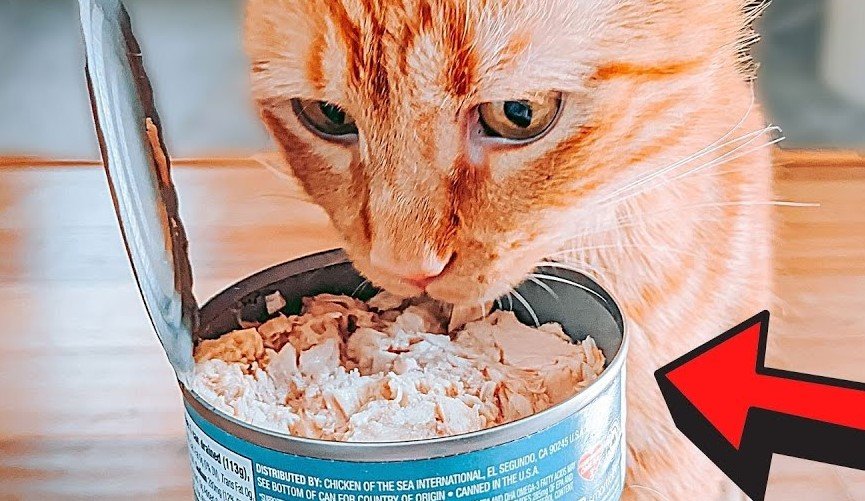
While you can offer your cat a small taste of tuna as an occasional treat, it should never be a primary meal. Canned tuna lacks the essential nutrients cats need to thrive, and excessive consumption poses risks like mercury poisoning and malnutrition.
Every cat owner knows that familiar sound: the metallic click of a can opener followed by a frantic sprint to the kitchen. For many cats, the smell of tuna is an irresistible siren song. It is common to wonder, is it ok to feed my cat canned tuna? You want to spoil your furry best friend, but you also want to keep them healthy. As we navigate pet nutrition in 2026, understanding what goes into your cat’s bowl is more important than ever.
The short answer is that while a small amount of tuna won’t immediately harm your pet, it is far from an ideal meal. Cats are obligate carnivores, meaning they require specific nutrients found in animal proteins to survive. While tuna is a protein, it is not a complete protein source for a feline diet. Let’s dive into why this pantry staple should stay an occasional treat rather than a dinner bowl regular.
Key Takeaways
- Nutritional Balance: Tuna is not a complete food and does not provide the vitamins or minerals required for a cat’s long-term health.
- Mercury Concerns: Frequent intake of canned tuna can lead to mercury buildup, which may cause neurological damage in pets over time.
- Sodium Levels: Many canned tuna varieties are high in salt, which can lead to dehydration or kidney strain in feline companions.
- The “Treat” Rule: If you must feed your cat tuna, ensure it is packed in water, not oil, and treat it as a rare reward rather than a staple.
- Allergies and Sensitivities: Always introduce new foods in tiny amounts to monitor for digestive upset, skin irritation, or allergic reactions.
Understanding the Nutritional Gaps in Tuna
When asking, is it ok to feed my cat canned tuna, you must first look at what is missing. Cat food manufacturers spend years balancing formulations to ensure that felines get the perfect ratio of taurine, calcium, and essential vitamins. Canned tuna, even high-quality varieties, is simply not engineered for cat biology.
The Lack of Essential Nutrients
Unlike commercial cat food, tuna lacks the necessary taurine supplement that prevents heart disease and vision loss in cats. If a cat fills up on tuna, they are not eating their nutritionally complete kibble or wet food. Over time, this leads to a dangerous deficiency. Your cat might look full, but their body is actually starving for the right vitamins.
What About the Protein?
People often assume that because cats love fish, fish must be the best thing for them. While cats can digest the protein in tuna, it is not the same as the protein they would get from poultry or rabbit. Relying too heavily on a mono-diet of fish can actually lead to an aversion to other, healthier food types. Once a cat becomes a “tuna junkie,” it is notoriously difficult to transition them back to balanced cat food.
The Hidden Dangers: Mercury and Sodium
The biggest risk when considering is it ok to feed my cat canned tuna is the environmental impact of the ocean on the fish itself. Large predatory fish like tuna sit high on the food chain, which makes them prime candidates for mercury accumulation.
Visual guide about Is It Ok to Feed My Cat Canned Tuna
Image source: i.pinimg.com
Mercury Toxicity in Felines
Cats are much smaller than humans, meaning their bodies cannot process mercury as efficiently. Even trace amounts of mercury that are safe for a human can build up in a cat’s system over months or years. Chronic mercury poisoning can manifest as poor coordination, tremors, and severe organ damage. It is a slow, silent threat that is simply not worth the risk for a quick treat.
Sodium and Additives
Check the label on your tuna can. Many brands add significant amounts of salt to improve flavor for humans. Cats have very sensitive kidneys, and a high-sodium diet can cause them to become excessively thirsty, dehydrated, or even develop kidney stones. Additionally, if the tuna is packed in oil, it can cause digestive upset and diarrhea. Even small amounts of oil add unnecessary calories that contribute to feline obesity, which is a massive health crisis for indoor cats in 2026.
Is There a Safe Way to Serve Tuna?
If you have already decided that your cat deserves a little tuna, you might be wondering if there is a safe way to do it. The answer is yes, provided you follow strict guidelines. You should never feed your cat tuna as a meal replacement. Think of it more like a “catgy” version of a candy bar—fine in moderation, but bad as a daily habit.
Choosing the Right Product
When you head to the grocery store, skip the seasoned tuna. Avoid any cans labeled with garlic, onions, or citrus, as these are toxic to cats. The only acceptable product is tuna packed in water with zero added salt. If you cannot find salt-free, you should rinse the tuna thoroughly before serving it to your pet to reduce the sodium content as much as possible.
Portion Control Tips
If you are giving your cat a treat, keep it to a tablespoon or less. A small piece of tuna once a week is unlikely to cause long-term harm. Observe your cat closely after the first time you offer it. Look for signs of vomiting, lethargy, or changes in stool. If your cat has a sensitive stomach, even a tiny amount of fish might trigger a reaction, and you should stop immediately.
Common Alternatives for Feline Treats
If you want to reward your cat, there are plenty of options that are much safer and healthier than tuna. Many cats are just as motivated by food variety as they are by fishy smells. You can satisfy their cravings without worrying about mercury levels or nutritional imbalances.
Healthy Commercial Treats
Look for freeze-dried chicken or salmon treats designed specifically for cats. These are often single-ingredient products that provide the protein boost your cat loves without the sodium or additives found in canned goods. By using these, you don’t have to wonder if you are damaging their health.
Homemade Options
If you want to go the extra mile, try boiling a small piece of plain chicken breast without skin or seasoning. Most cats find the smell of warm, fresh chicken just as alluring as tuna. You can also offer small bits of cooked, unseasoned egg, which is a fantastic source of protein. These alternatives are far safer and offer higher bioavailability for your feline companion.
Identifying Signs of a Tuna Obsession
How do you know if your cat has become too reliant on tuna? A cat that refuses its regular food in hopes of getting tuna is a sign of a behavioral issue. In 2026, many vets are seeing an increase in “picky eaters” who have been over-exposed to human foods.
The “Hunger Strike” Strategy
If your cat turns up their nose at their bowl, do not cave in and open a can of tuna. This teaches your cat that being stubborn is a successful strategy to get the “good stuff.” If your cat is refusing to eat for more than 24 hours, you should consult a vet. However, most cats are just waiting to see who blinks first. Stay firm, keep the regular food consistent, and avoid giving human food as a bribe.
Consulting Your Vet
If you are truly worried about your cat’s diet or nutritional profile, your veterinarian is your best resource. They can suggest high-quality wet foods that smell like fish but contain all the minerals your cat needs. This gives you the satisfaction of feeding them something they enjoy while ensuring they are getting the nutrients they need for a long, happy life.
Conclusion: Putting Your Cat’s Health First
Is it ok to feed my cat canned tuna? In the grand scheme of your cat’s life, the answer is to exercise extreme caution. While a tiny, infrequent taste of salt-free, water-packed tuna is generally considered safe, it offers no real health benefits. The risks of mercury toxicity, sodium overload, and nutritional imbalance are real concerns that every responsible owner should keep in mind.
Ultimately, your cat depends on you to make the right choices for their bowl. By opting for balanced, feline-specific nutrition and choosing healthier treat alternatives, you are ensuring your cat stays active, healthy, and happy for years to come. Remember, the best reward for your cat isn’t the food in the pantry, but the time you spend playing with them and keeping their environment stimulating. Stick to their regular diet, keep the tuna out of reach, and enjoy many more years with your healthy feline friend.
Frequently Asked Questions
Can cats eat raw tuna?
No, you should never feed your cat raw tuna. Raw fish can contain harmful bacteria like Salmonella or E. coli, and it also contains an enzyme that destroys thiamine, an essential B vitamin for cats.
How much tuna is safe for a cat?
A safe amount is no more than a single tablespoon, offered only once every few weeks. It should be treated as a rare reward rather than a regular snack or a meal component.
Are there specific brands of tuna that are better for cats?
No brand of canned human tuna is ideal, as they all share the risk of mercury content. If you must feed your cat fish, look for specific cat-food brands that use high-quality, controlled fish sources.
What if my cat accidentally ate a lot of tuna?
If your cat consumes a large amount of tuna, monitor them for signs of digestive distress like vomiting or diarrhea. If they show signs of lethargy or weakness, contact your veterinarian immediately for guidance.
Why does my cat go crazy for the smell of tuna?
Cats are attracted to the strong, pungent aroma of fish oils and the high protein content. Their sense of smell is much stronger than ours, making the concentrated scent of canned tuna very enticing.
Can kittens eat canned tuna?
It is strongly recommended to avoid feeding tuna to kittens. Kittens have developing immune systems and higher nutritional requirements, making them much more sensitive to the risks of mercury and nutritional imbalances.