
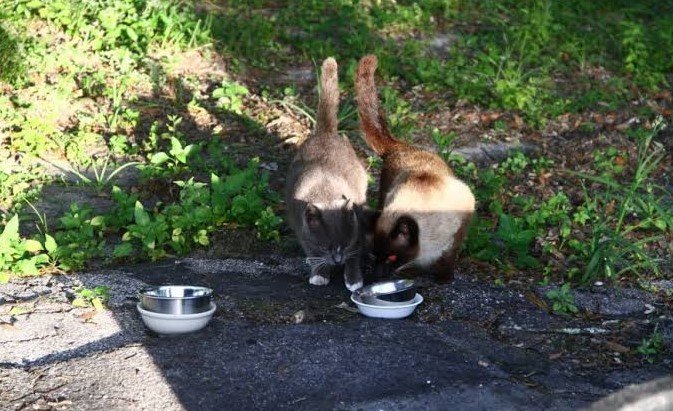
Feeding stray cats in Florida is not illegal at the state level, but local city and county ordinances often dictate specific rules for “community cat” care. To stay on the right side of the law, you must understand your specific neighborhood’s policies regarding nuisance animals and Trap-Neuter-Return (TNR) programs.
If you have ever found a hungry tabby cat lounging on your porch or a shy tuxedo cat living under your shed, you know the immediate urge to offer a bowl of food. It is a kind act, but in Florida, it often comes with a question: is it illegal to feed stray cats in Florida?
As we enter 2026, many cat lovers are worried about local rules that seem to shift from one town to the next. The good news is that there is no statewide law banning this practice, but the situation on the ground can be a bit more complicated.
Florida is home to thousands of community cats. These are not just homeless pets; they are often socialized or semi-feral cats that have lived outdoors for generations. Because Florida’s climate is mild year-round, these cat colonies can grow quickly.
Local governments are often caught between animal advocates who want to save these lives and residents who worry about property damage or local wildlife. Navigating these rules requires a mix of common sense, local research, and a commitment to responsible caregiving.
Key Takeaways
- No State Ban: There is no statewide law in Florida that makes feeding stray cats a criminal offense.
- Local Authority Rules: Many counties and municipalities have their own specific ordinances that regulate feeding to prevent public nuisances.
- TNR Programs: Most Florida jurisdictions support Trap-Neuter-Return programs as the legal and ethical way to manage stray populations.
- Public Property Restrictions: Feeding cats in parks, on beaches, or near government buildings is often prohibited by local park rules.
- Nuisance Laws: Even if feeding is allowed, you can be fined if the cats cause damage to a neighbor’s property or become a public health hazard.
- Best Practices: Always spay or neuter the cats you feed to keep the population stable and ensure you are acting as a responsible caregiver.
Understanding the Legal Landscape of Community Cats
When you ask, “is it illegal to feed stray cats in Florida,” the answer depends almost entirely on your zip code. Florida operates under a system where local governments, such as cities and counties, have the authority to create ordinances that manage animal welfare within their borders. While the state government does not have a blanket ban, your local Homeowners Association (HOA) or city council might.
State Law vs. Local Ordinances
State laws focus on animal cruelty. Under Florida statute, intentionally starving an animal or causing it harm is a crime. However, the state leaves the “feeding” debate to local officials. In many Florida counties, the official stance is to support “TNR” Trap-Neuter-Return. If you are part of a registered TNR program, you are usually granted legal protection to feed cats, as you are seen as a caregiver managing a population, not just someone creating a nuisance.
The Role of Homeowners Associations (HOAs)
Many Floridians live in communities governed by HOAs. Even if your city says it is legal to feed cats, your HOA might have a strict “no feeding” policy written into its bylaws. Violating these rules can lead to significant fines or legal threats.
Before you start putting out food, check your neighborhood’s covenants. If you find that feeding is prohibited, consider joining the board or petitioning for a managed colony program instead of breaking the rules.
The Importance of Trap-Neuter-Return (TNR)
If you are serious about helping stray cats, simply putting out food is often not enough. In fact, if you provide food without providing medical care, you might inadvertently grow a colony that becomes a problem for your neighbors. This is where TNR comes into the conversation about whether it is illegal to feed stray cats in Florida.
Visual guide about Is It Illegal to Feed Stray Cats in Florida
Image source: petshun.com
What is TNR?
TNR stands for Trap-Neuter-Return. It is the gold standard for managing outdoor cat populations. By trapping the cats, having them spayed or neutered by a vet, and returning them to their colony, you stop the cycle of reproduction.
Most Florida counties prefer this method because it naturally reduces the number of cats over time. In many areas, if you are practicing TNR, you are considered a “community cat caregiver,” which offers you a higher level of legal standing.
How to Start a Program
If you have a group of cats in your area, contact a local Florida rescue group. Many of them have grant funding to provide free or low-cost spay and neuter services. They can help you with the legal paperwork to register your colony. By officializing your care, you move from being someone who “just feeds strays” to someone who is helping solve a public welfare issue.
Preventing Nuisance Complaints
The primary reason cities make it illegal to feed stray cats in Florida is the “nuisance” factor. If a neighbor complains about cats using their garden as a litter box, climbing on their cars, or fighting loudly at night, the city may force you to stop feeding. Protecting your right to help these cats means being a good neighbor.
Managing the Feeding Area
If you feed, do it on a schedule. Don’t leave large piles of food out all day. Leaving food out draws in raccoons, opossums, and even coyotes, which causes friction with neighbors. If you feed, stay with the cats while they eat and then remove the bowls promptly. This keeps the area clean and prevents attracting unwanted wildlife.
Keep Your Neighbors Informed
Communication is your best defense. Talk to your neighbors before you start a regular feeding station. Tell them what you are doing, explain that you have neutered the cats, and ask them to let you know if the cats cause any trouble. Often, if a neighbor knows the cats are being cared for and are not just “unmanaged strays,” they are much more tolerant.
Health and Safety Considerations
Feeding stray cats in Florida carries certain risks that you should keep in mind. Because these cats live outdoors, they can be exposed to diseases like Feline Leukemia or parasites. As a caregiver, you have a duty to keep them as healthy as possible, which protects both the cats and your local community.
Public Health Concerns
Some people oppose feeding because they fear the spread of diseases. If you are going to feed, ensure you keep the water bowls fresh and clean. Stagnant water is a breeding ground for mosquitoes, which are a major issue in Florida. By keeping the area clean, you neutralize common arguments against your activities.
Personal Safety Tips
Never try to handle a feral cat unless you are experienced. Feral cats are terrified of humans and can bite or scratch. If you find a sick or injured cat, call animal control or a local wildlife rehabber. Being a caregiver is rewarding, but it is not worth your personal safety to force interaction with an animal that does not want to be held.
Legal Resources for Florida Caregivers
If you are facing pressure from your city or a landlord, you should look for legal resources. There are many animal welfare organizations in Florida that specialize in the rights of community cat caregivers. You do not have to fight these battles alone.
Where to Find Help
Organizations like the Florida Animal Friend or local chapters of the Humane Society can provide you with legal templates or advice on how to talk to your city council. They often have fact sheets you can present at town hall meetings to advocate for the legalization of TNR programs. Using facts and statistics about the success of TNR is much more effective than emotional arguments.
The Benefits of Working with Local Government
Many cities in Florida are moving toward more humane policies. By working with your local government rather than against them, you can help change the culture. Some municipalities have even started providing vouchers for free surgeries. Being a polite, organized, and law-abiding caregiver makes it harder for officials to justify banning your activities.
Conclusion
Is it illegal to feed stray cats in Florida? By and large, the answer is no, provided you are acting responsibly and following local ordinances. The state of Florida values animal welfare, and while some local jurisdictions impose restrictions to prevent nuisances, they rarely target individual acts of kindness.
The key to staying safe and legal is to practice TNR, maintain a clean feeding area, and respect your neighbors’ property rights. Taking care of community cats is a rewarding way to improve the lives of animals who have no one else.
By being informed, organized, and communicative, you can provide these cats with the support they need while staying fully compliant with the law. Start by looking up your local county animal services website today to see if there are specific programs for community cat caregivers in your area. Your actions today can lead to a healthier, happier community for both humans and cats tomorrow.
Frequently Asked Questions
Is it ever illegal to feed stray cats in Florida?
While state law doesn’t ban it, local ordinances or Homeowners Association (HOA) rules can strictly prohibit feeding strays if they are deemed a nuisance. Always check your city’s specific animal control website to see if there are local bans in place.
What happens if I feed cats without registering as a caregiver?
If you aren’t part of a formal program, you may be held liable if the cats cause damage to neighbors’ property or create a health hazard. Registering with a local TNR group provides more legitimacy for your actions.
Do I have to pay for the spaying or neutering?
In many Florida counties, there are non-profit organizations and rescue groups that offer free or low-cost spay and neuter services for community cats. Look for local “TNR” clinics in your area to save money.
Can I be fined by my city for feeding cats?
Yes, if the city determines that your feeding practice is a public nuisance, they can issue fines. It is essential to feed on a schedule, remove leftovers, and keep the area clean to avoid these penalties.
Should I feed cats if I don’t intend to neuter them?
It is strongly discouraged. Feeding without neutering causes the cat population to explode, which leads to more homeless cats and often results in local authorities stepping in to stop the feeding entirely.
What should I do if a neighbor complains about my feeding?
Stay calm and talk to them to understand their specific concerns, such as noise or property damage. If you show them that you are actively managing the colony through TNR and keeping the area clean, you can often find a peaceful compromise.