
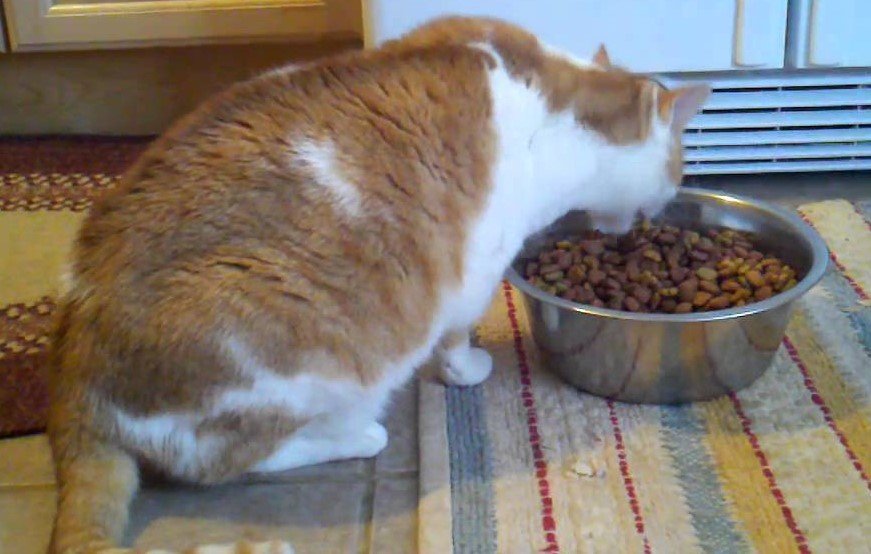
While your cat might occasionally sneak a bite of dog food, it is never safe to use it as a primary meal source. Cats are obligate carnivores that require specific nutrients like taurine and vitamin A, which are not present in sufficient amounts within dog food.
If you have ever caught your cat hovering over the dog’s food bowl, you are not alone. Many pet parents wonder, is it ok to feed cats dog food when the pantry is empty or the pet store is closed? It seems like simple logic they are both pets, they both eat meat, so why would there be a difference?
However, as we look at the nutritional standards for 2026, the science tells a very different story. While a single kibble swiped from the floor probably won’t cause immediate harm, treating dog food as a meal for your cat is a dangerous mistake.
Understanding feline nutrition requires us to look at how cats evolved. Unlike dogs, who have adapted over thousands of years to eat a varied diet, cats are strict hunters. Their bodies have become finely tuned machines designed to process animal tissue.
When you substitute a cat’s specialized diet with dog food, you are essentially asking their biological systems to run on the wrong kind of fuel. In this guide, we will break down why these dietary needs are so different and what could happen if you get it wrong.
Key Takeaways
- Nutritional Biology: Cats are obligate carnivores, meaning they must eat meat to survive, while dogs are omnivores.
- The Taurine Gap: Dog food lacks taurine, an amino acid essential for feline heart and eye health.
- Vitamin Deficiencies: Cats cannot synthesize Vitamin A or arachidonic acid from plants, which are commonly found in dog kibble.
- Protein Requirements: Cats require significantly higher levels of protein and fats than the average dog needs.
- Emergency Situations: Only offer dog food to a cat in a life-or-death survival scenario for a single meal, never as a long-term diet.
- Health Risks: Long-term consumption of dog food can lead to blindness, heart failure, and irreversible organ damage.
The Biological Difference: Carnivore vs. Omnivore
To understand the danger, we first have to look at the digestive systems of our furry friends. Dogs are classified as facultative carnivores or omnivores. This means they can survive and thrive on a diet that includes both meat and plant-based nutrients. They have the metabolic flexibility to convert certain plant proteins into the building blocks they need to stay healthy.
Why Cats are Obligate Carnivores
Cats are obligate carnivores. This is a scientific way of saying that they have no choice but to eat meat. Their bodies lack the enzymes needed to properly digest and utilize many plant-based proteins and nutrients. Because they evolved to eat prey which is high in protein and fat they have lost the ability to synthesize certain essential nutrients from other sources. If it is not in the meat, their bodies simply cannot create it.
The Problem with Dog Food Formulas
Dog food is balanced for the canine system. It often contains a higher percentage of carbohydrates, grains, and vegetables to suit a dog’s digestion. While these ingredients are fine for a pup, they are essentially “filler” for a cat.
If a cat fills up on carbohydrates from dog food, they aren’t getting the protein density they need to maintain muscle mass and healthy organ function. Even if a cat looks “full” after eating dog food, they are essentially starving on a cellular level because the nutrient profile is incomplete.
The Taurine Crisis
Perhaps the most critical reason you should never ask if it is ok to feed cats dog food is the issue of taurine. Taurine is a vital amino acid found almost exclusively in animal tissues. Dogs are capable of producing their own taurine in their bodies, so dog food manufacturers do not need to add high amounts of it to their recipes. Cats, however, cannot synthesize it internally.
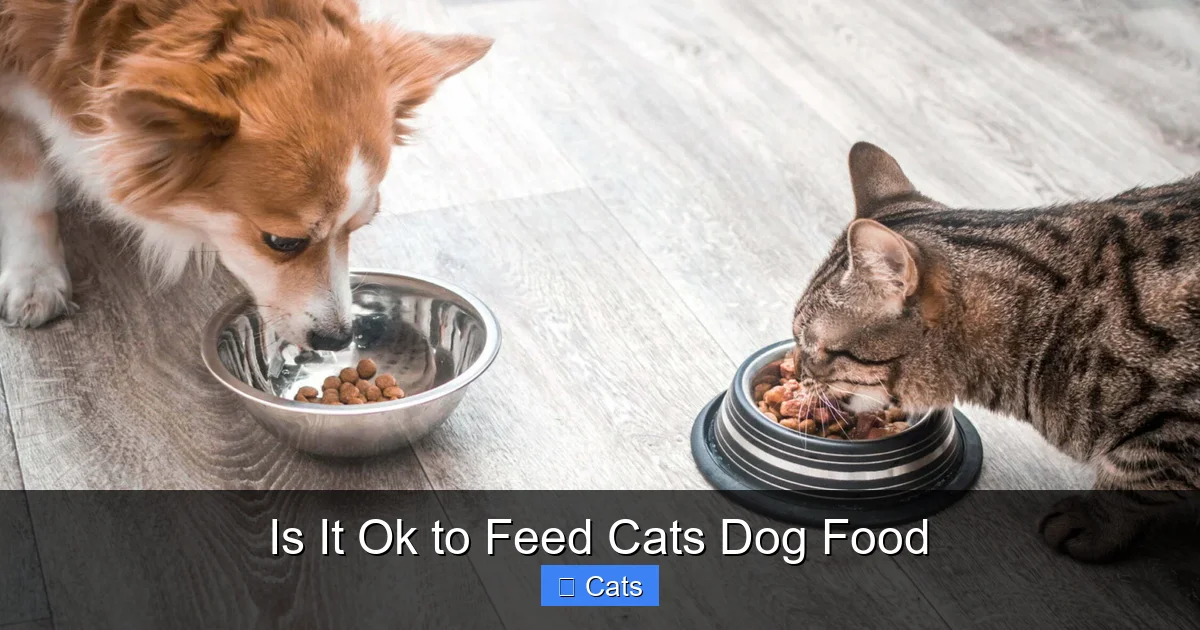
Visual guide about Is It Ok to Feed Cats Dog Food
Image source: cronullavetclinic.com.au
What Happens Without Taurine?
If a cat does not consume enough taurine through their diet, the results are devastating. In the short term, you might not notice anything. Over time, however, a taurine deficiency leads to a condition known as Dilated Cardiomyopathy (DCM). This is a heart disease where the heart muscle becomes thin and weak, eventually losing its ability to pump blood effectively. It can lead to heart failure and sudden death.
The Vision Factor
Beyond heart health, taurine is essential for a cat’s vision. A deficiency often leads to central retinal degeneration. This can cause the cat’s retina to thin out and stop functioning correctly, leading to permanent blindness. Because cats are naturally crepuscular hunters, their eyes are their most important tool. A diet that robs them of their sight is simply not an option for any responsible owner.
Essential Nutrients: Vitamin A and Arachidonic Acid
Beyond taurine, there are other “non-negotiables” that cats must get from their food. Vitamin A is one of the most prominent examples. While humans and dogs can convert beta-carotene (found in vegetables like carrots) into Vitamin A, cats cannot. They require pre-formed Vitamin A that is already present in animal fat and liver.
The Role of Fatty Acids
Similarly, arachidonic acid is a fatty acid that is essential for feline skin health, coat condition, and reproductive function. Most mammals can create this acid from linoleic acid found in plants. Cats are again the exception.
They lack the enzyme necessary to make this conversion. Because dog food is often formulated with plant oils that are high in linoleic acid but low in arachidonic acid, a cat fed on dog food will suffer from poor skin health, brittle fur, and eventually, systemic weakness.
Practical Tips for Avoiding Accidents
Even with the best intentions, accidents happen. You might have a multi-pet household, or perhaps your dog is a messy eater. Here are some ways to keep your cat away from the dog’s bowl and ensure they stay on their own specialized diet.
Managing Multi-Pet Households
If you have both dogs and cats, the easiest way to prevent cross-feeding is by adjusting your feeding schedule. Feed your pets in separate rooms or at separate times. Once the dog is finished eating, pick up the bowl immediately. Do not leave the dog’s food out as a “free-choice” meal. This also helps with portion control for the dog and keeps the cat from developing a taste for the kibble.
Why Cats Like Dog Food
You might notice your cat is obsessed with the dog’s bowl. Usually, this has nothing to do with nutritional needs and everything to do with scent and novelty. Dog food often has a different texture and smell that cats find intriguing.
Sometimes, they just want to eat what the “boss” of the house is eating. If your cat is consistently trying to steal dog food, try upgrading their own food to something with a stronger, more enticing aroma, such as a high-quality wet food.
When Is It Ever Ok?
We have established that it is not healthy, but is it ever ok to feed cats dog food in a survival situation? If you are stranded, lost, or experiencing a complete lack of access to pet supplies, a cat will survive on dog food for a very short period. This is a “starvation-avoidance” measure only.
Emergency Strategy
If you are in an emergency and have no cat food, providing a small amount of dog food is better than total starvation for a day or two. However, you should supplement this with any available plain cooked meat, such as unseasoned chicken or fish, to boost their protein and taurine intake.
As soon as you can reach a store, return the cat to a feline-specific diet immediately. If your cat has been eating dog food for more than a few days, it is highly recommended to schedule a check-up with your veterinarian to screen for early signs of nutritional deficiency.
Conclusion
To answer the question definitively: no, it is not ok to feed cats dog food. The biological requirements of a cat are too precise and too specialized for a canine-formulated diet to handle. Between the lack of taurine, the absence of necessary Vitamin A, and the improper balance of proteins and fats, feeding your cat dog food is a recipe for long-term health complications that are often irreversible.
As we navigate the nutritional options available in 2026, take the time to read labels. Look for the AAFCO statement on the packaging, which confirms the food has been formulated for cats specifically.
Your cat relies on you to make the right choices for their health. By keeping the bowls separate and ensuring your cat eats only feline-approved formulas, you are giving them the best chance at a long, healthy, and happy life. After all, the best way to show our pets we love them is by respecting their biology.
Frequently Asked Questions
Can my cat have just a few pieces of dog kibble as a treat?
A single piece of dog kibble once in a while is unlikely to harm your cat. However, it should never be encouraged or offered as a regular reward because it provides zero nutritional value to them.
What if my cat prefers the taste of dog food?
Cats are often attracted to the strong scents and different fats in dog food, but this is a preference, not a nutritional need. Try switching to a high-quality, fragrant wet cat food to satisfy their cravings instead.
How long does it take for a cat to get sick from eating dog food?
Severe issues like heart disease or blindness take time to develop, often weeks or months of consistent feeding. However, digestive upset like vomiting or diarrhea can happen almost immediately if their stomach is sensitive.
Is vegetarian dog food safer for cats?
Absolutely not. Vegetarian dog food is even worse for cats because it lacks the animal-based proteins and amino acids that are strictly required for feline survival.
Does wet dog food work better than dry dog food for cats?
Neither is appropriate. While wet food provides better hydration, it still lacks the essential taurine and specific amino acid profile that a cat’s body requires to function correctly.
Are there any “all-purpose” pet foods that work for both?
Generally, no. Because cats have such unique biological requirements compared to dogs, any food marketed as “for all pets” usually fails to meet the stringent standards needed to keep a cat healthy long-term.