

Choosing the best cat food to feed a cat in 2026 requires balancing high-quality animal proteins with your pet’s specific life stage and health needs. By prioritizing nutrient-dense ingredients and consulting your veterinarian, you can ensure your cat enjoys a long, healthy, and happy life.
If you are like most cat parents, you want the very best for your furry friend. You might find yourself standing in the pet aisle, staring at dozens of bags and cans, wondering, “What is the best cat food to feed a cat?” It is a common question, and honestly, the answer has evolved quite a bit by 2026. With more research into feline nutrition and better transparency from brands, we have more tools than ever to keep our cats healthy.
Nutrition is the foundation of your cat’s health. It impacts everything from the shine of their coat to the energy they have for 3 a.m. zoomies. Because cats are obligate carnivores, they have specific biological needs that cannot be met by plant-based diets or low-quality fillers. Let’s dive into how to navigate the world of pet food and find the perfect fuel for your feline companion.
Key Takeaways
- Prioritize Protein: Cats are obligate carnivores and need high-quality animal protein as the primary ingredient in their diet.
- Life Stage Matters: The best cat food to feed a cat varies significantly between kittens, adults, and seniors due to changing caloric and nutritional requirements.
- Hydration is Vital: Incorporating wet food into your cat’s diet helps ensure they get enough water, which is crucial for kidney and urinary tract health.
- Read the Label: Ignore flashy marketing and instead focus on the ingredient list, looking for named protein sources rather than generic “meat meals.”
- Avoid Harmful Additives: Steering clear of artificial preservatives, dyes, and excessive fillers helps prevent digestive issues and long-term health problems.
- Individual Needs: Every cat is unique; always consider your pet’s specific health conditions, such as allergies or weight management needs, when selecting food.
The Fundamentals of Feline Nutrition
To understand what makes a food high-quality, we must look at what a cat truly needs to survive. In the wild, cats eat small prey, which is high in protein, moderate in fat, and very low in carbohydrates. When looking for the best cat food to feed a cat, you want to mimic this natural profile as closely as possible.
The Importance of Animal Protein
Protein is the building block of life for your cat. It provides essential amino acids like taurine, which is critical for heart and eye health. Unlike dogs, cats cannot synthesize certain nutrients on their own; they must get them from animal sources. When checking a label, look for a specific meat source—like chicken, turkey, or salmon—as the very first ingredient. If the label says “meat by-products” or “corn,” you might want to keep looking.
Fats and Carbohydrates
Cats need healthy fats for energy and healthy skin. Look for ingredients like fish oil or chicken fat. On the other hand, carbohydrates should be kept to a minimum. While a small amount is often needed to bind dry kibble, excessive carbs can lead to obesity and diabetes. The best cat food to feed a cat will prioritize meat, not grains or starchy vegetables.
Dry vs. Wet: The Great Debate
One of the most common questions involves whether to serve dry kibble or wet canned food. The truth is that both have pros and cons, and many vets recommend a mix of both.
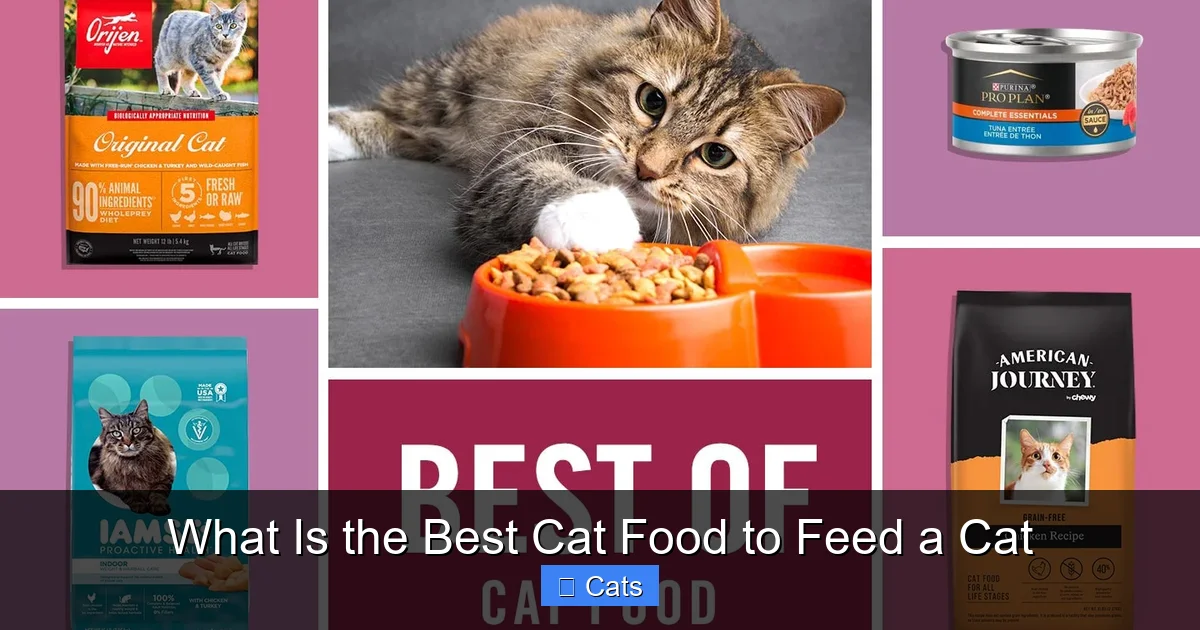
Visual guide about What Is the Best Cat Food to Feed a Cat
Image source: media-be.chewy.com
The Benefits of Wet Food
Wet food is generally closer to a cat’s natural diet in terms of moisture content. Cats are notoriously bad at drinking enough water, and dry food can leave them mildly dehydrated over time. Feeding your cat wet food can help support their kidney health and prevent urinary issues. It is often more palatable for picky eaters, too.
The Convenience of Dry Food
Dry food is undeniably convenient. It can be left out for a measured amount of time, it is usually more affordable, and it can help with dental health if the kibble size is large enough to encourage chewing. However, ensure that if you are choosing dry food, you are picking a high-quality brand that doesn’t rely heavily on fillers. Always provide plenty of fresh water to accompany kibble.
Life Stages: From Kitten to Senior
A growing kitten has very different nutritional requirements than a sedentary senior cat. Choosing the best cat food to feed a cat means matching the product to their current age and activity level.
Kittens: Growing Fast
Kittens need high calories and extra nutrients to fuel their rapid growth. Look for labels that specifically state “for growth” or “for all life stages.” These formulas are denser in protein and fats to ensure your kitten develops strong muscles and bones.
Adults: Maintaining Balance
Once a cat reaches adulthood—usually around one year old—they need a maintenance diet. This prevents the rapid weight gain that often happens when a kitten food is fed to an adult cat. Focus on a balanced diet that helps them stay lean and active.
Seniors: Aging Gracefully
Older cats may have different needs, such as easier-to-digest protein or supplements for joint health. Many senior formulas are lower in phosphorus to help protect aging kidneys. If your older cat is losing weight or seems less interested in food, chat with your vet about switching to a senior-specific or therapeutic diet.
Reading the Label Like a Pro
Pet food marketing can be tricky. Words like “natural” or “gourmet” don’t have strict legal definitions in the same way that the ingredient list does. To find the best cat food to feed a cat, you need to ignore the front of the bag and head straight for the back.
Understanding Guaranteed Analysis
The “Guaranteed Analysis” box tells you the minimum and maximum percentages of protein, fat, fiber, and moisture. Remember, these are “as fed” numbers. If you are comparing wet food to dry food, you must account for the water content, as dry food has much less moisture. You can ask your vet for help calculating the “dry matter basis” if you want to be precise.
Decoding the Ingredient List
Look for named protein sources. “Chicken” is excellent. “Chicken meal” is also high-quality, as it is a concentrated form of protein. Avoid vague terms like “animal fat” or “meat digest,” which don’t tell you exactly what you are feeding your pet. Also, keep an eye out for artificial preservatives like BHA or BHT, which are better left off the menu.
Managing Special Health Needs
Sometimes, the “best” food is a therapeutic one prescribed by a veterinarian. If your cat suffers from specific health issues, you cannot simply pick a bag off the shelf.
Weight Management
If your cat is overweight, they are at higher risk for diabetes and arthritis. A high-protein, low-carb diet is usually the best approach for weight loss. Never “crash diet” a cat, as it can cause liver issues; always work with a vet to ensure a safe transition to a weight-management food.
Allergies and Sensitivities
Food allergies can manifest as skin irritation or persistent digestive upset. If your cat is struggling, a “limited ingredient diet” might be the answer. These diets have a short list of ingredients, making it easier to identify and avoid the specific protein or grain that is causing a reaction.
Tips for Switching Foods
Cats are creatures of habit. If you suddenly change their food, they might refuse to eat or end up with a very upset stomach. When you decide to try the best cat food to feed a cat, take it slow.
The Gradual Transition
Start by mixing about 25% of the new food with 75% of the old food. Over the course of 7 to 10 days, slowly increase the ratio of the new food while decreasing the old. This helps your cat’s digestive system adjust to the new ingredients and allows them to get used to the new texture and taste.
Observing Your Cat
During the transition, keep a close eye on your cat. Are they eating it with enthusiasm? Is their stool consistent? Is their energy level stable? If you notice any vomiting, diarrhea, or a refusal to eat for more than 24 hours, stop the transition and consult your veterinarian immediately.
Conclusion
Finding the best cat food to feed a cat is a journey of trial, observation, and research. There is no single “magic” brand that works for every feline; the right choice depends on your cat’s unique age, health status, and personal preferences. By prioritizing high-quality animal proteins, minimizing unnecessary fillers, and paying attention to hydration, you are already providing a superior level of care.
Remember that as your cat grows and changes throughout 2026 and beyond, their dietary needs may evolve as well. Stay curious, read those labels, and keep that line of communication open with your veterinarian. Your cat relies on you to be their nutritional guardian, and with a little effort, you can ensure they live a long, vibrant life right by your side.
Frequently Asked Questions
What is the most important ingredient to look for in cat food?
The most important ingredient is a high-quality animal protein source, such as chicken, turkey, or salmon. Because cats are obligate carnivores, they need these proteins to obtain essential amino acids like taurine for heart and eye health.
How often should I feed my cat?
Most adult cats do well with two meals a day, though some prefer smaller, more frequent portions. It is best to stick to a consistent schedule to help regulate their metabolism and monitor their appetite.
Is grain-free food always better for cats?
Not necessarily. While cats don’t need grains, they can digest them. The key is the overall nutritional balance; some grain-free foods use high amounts of starchy legumes as fillers, which isn’t ideal for a cat’s health.
Why does my cat drink so little water?
Cats have a low thirst drive because they evolved to get most of their water from their prey. Feeding wet food is a great way to boost their hydration levels naturally.
Should I feed my cat raw food?
Raw feeding is a debated topic and carries risks of bacterial contamination for both the cat and the household. If you are interested in raw diets, consult with a veterinarian to ensure you are meeting all nutritional requirements safely.
How can I tell if my cat’s food is the right choice?
A good sign is a healthy, shiny coat, consistent energy levels, and a regular, healthy digestion. If your cat seems sluggish, has dull fur, or experiences frequent digestive issues, it may be time to discuss a diet change with your vet.