
Feeding your cat human food can be a safe and fun way to provide extra nutrients, provided you stick to specific, feline-friendly options. Always remember that these treats should never replace a balanced commercial diet and must be served in moderation to avoid digestive issues.
As pet owners in 2026, we all want to share the joy of a good meal with our four-legged companions. You might find yourself cooking in the kitchen and wondering, “What can I feed cats besides cat food?” It is a common question, especially when those wide, pleading eyes watch every bite you take. While commercial cat food is specially formulated to meet all their complex dietary needs, offering safe human food as an occasional snack can be a fun way to bond.
However, it is vital to remember that a cat’s digestive system is very different from ours. They are obligate carnivores, which means their bodies are hardwired to thrive on meat. Before you share your dinner, you need to know exactly what is safe and what could pose a health risk. This guide will walk you through the world of feline-friendly snacks so you can treat your cat safely and effectively.
Key Takeaways
- Nutritional Balance: Human foods should only make up 10% of your cat’s total daily caloric intake to prevent nutrient imbalances.
- Meat is Essential: Cats are obligate carnivores, meaning they rely on animal proteins rather than plant-based sources for vital nutrients like taurine.
- Avoid Toxic Foods: Never feed your cat onions, garlic, grapes, chocolate, or caffeine, as these can be fatal to felines.
- Preparation Matters: Always serve human foods cooked, plain, and without added salts, fats, spices, or oils, which can upset a cat’s stomach.
- Monitor for Allergies: Introduce new foods one at a time in very small portions to ensure your cat does not have an adverse reaction or sensitivity.
Understanding Your Cat’s Unique Nutritional Needs
Before experimenting with snacks, we must look at how cats process food. Unlike humans or even dogs, cats are strict meat eaters. In the wild, their diet consists almost entirely of prey, which provides high protein, moderate fat, and very minimal carbohydrates. If you ask yourself what can I feed cats besides cat food, the answer must always center around proteins.
Why Protein Reigns Supreme
Cats require specific amino acids, most notably taurine, to keep their hearts healthy and their eyes functioning properly. Taurine is found almost exclusively in animal tissues. If a cat does not get enough taurine, they can suffer from severe health issues. When you look at human food options, lean meats are usually the best choice because they mimic the natural diet of a feline.
The Danger of “People Food” Additives
The biggest danger in feeding human food is not always the food itself, but how we prepare it. We love seasoning our meals with garlic, onions, chives, butter, and salt. To a cat, these are often toxic or highly inflammatory. When preparing a special treat, you must keep it “naked.” No spices, no oils, and certainly no onions or garlic. Plain, boiled, or baked meat is the gold standard for supplemental feeding.
Safe Protein Options for Your Feline
When you are pondering what can I feed cats besides cat food, look toward the butcher counter. Most lean meats are safe for cats if prepared correctly. Remember that cats do not have a sweet tooth; they are mostly interested in savory, meaty flavors.
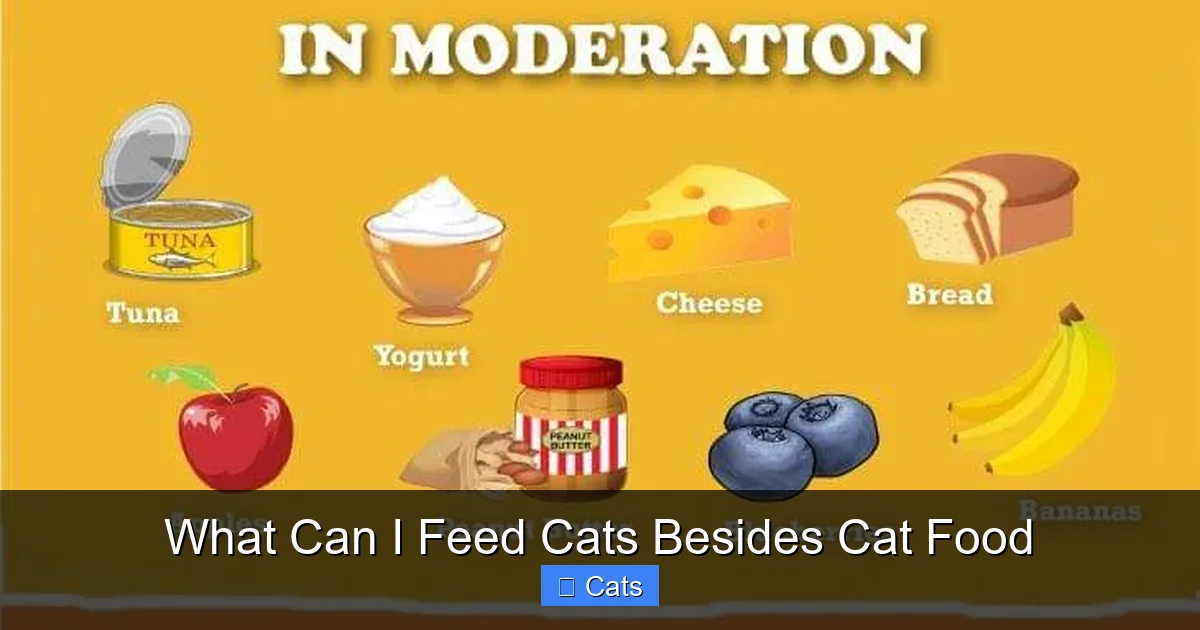
Visual guide about What Can I Feed Cats Besides Cat Food
Image source: i.redd.it
Chicken and Turkey
Plain, cooked chicken or turkey is an excellent treat for cats. It is easy to digest and provides the protein they crave. You can boil a small breast without salt or bake it until it is thoroughly cooked. Make sure there are no bones left, as cooked bones can splinter and cause internal damage to your cat’s digestive tract.
Fish and Seafood
Many cats go wild for the smell of fish. Small pieces of cooked salmon or whitefish can be a wonderful occasional treat. Salmon is rich in omega-3 fatty acids, which can help keep your cat’s coat shiny and healthy. Always ensure the fish is fully cooked and that every single tiny bone has been removed. Never feed your cat raw fish, as it can contain parasites or cause vitamin B1 deficiency.
Lean Beef
Small portions of lean, cooked beef are also acceptable. Ground beef can be used, provided it is cooked without any onions or garlic mixed in. Keep the portions small, as beef is denser and richer than poultry, and can be harder for some cats to digest if they are not used to it.
Fruits and Vegetables: The Surprising Truth
You might have seen videos of cats crunching on broccoli or beans and wondered if you should incorporate these into your cat’s diet. While cats do not need plant matter to survive, some fruits and vegetables can offer interesting textures or hydration.
Safe Veggies
If your cat shows an interest in greens, steamed broccoli, carrots, or green beans are generally safe. These should be chopped into tiny, manageable bites. Think of these as a way to add fiber or hydration to a diet, but do not rely on them for essential nutrients. Most cats will play with them more than eat them, which is a great form of enrichment.
Safe Fruits
Certain fruits are okay in moderation, such as cantaloupe or blueberries. However, because cats do not taste sweetness, they are often indifferent to fruit. Always wash fruit thoroughly and remove any seeds, pits, or rinds, as these parts can be choking hazards or contain trace amounts of cyanide, which is toxic to pets.
Foods You Must Strictly Avoid
Knowing what can I feed cats besides cat food is just as much about knowing what to avoid. Some foods that are healthy for humans are downright dangerous for cats. Never allow your cat to consume the following:
The “Forbidden List”
Onions and garlic are at the very top of the danger list. Whether raw, powdered, or cooked, they can damage a cat’s red blood cells and lead to life-threatening anemia. Chocolate is another major “no.” It contains theobromine, which can cause heart arrhythmias and seizures in cats. Additionally, grapes and raisins can cause sudden kidney failure, even in small amounts.
Dairy and Alcohol
Despite the cartoon image of a cat drinking a saucer of milk, most adult cats are lactose intolerant. Milk and cream can cause significant stomach upset, diarrhea, and vomiting. Avoid dairy products entirely. As for alcohol, even a small amount can cause severe liver and brain damage in cats, so ensure all drinks are securely put away.
How to Introduce New Foods Safely
Even if a food is on the safe list, you should never make a sudden change to your cat’s routine. Sudden diet changes are a recipe for an upset stomach. Follow these simple steps for a happy, healthy transition when testing out new treats.
The “One at a Time” Rule
Introduce only one new food item at a time. If you decide to try a piece of cooked chicken, wait a full 24 hours before trying anything else. This allows you to monitor for any allergic reactions, such as itching, vomiting, or diarrhea. If your cat reacts poorly, you will know exactly which food was the culprit.
Keep Portions Microscopic
When you ask what can I feed cats besides cat food, remember that cats have much smaller stomachs than we do. A “snack” should be the size of your fingernail. If you give too much human food, you risk causing obesity. Since commercial cat food is already balanced, adding too much extra food will dilute the nutrition your cat is receiving from their main diet.
When to Consult Your Vet
If your cat has a medical condition, such as kidney disease, diabetes, or food allergies, you must consult your veterinarian before feeding them anything outside of their prescribed diet. Some cats are very sensitive, and even a “safe” food could interfere with their treatment or condition.
If you notice your cat acting strangely, lethargic, or having bathroom issues after eating a new treat, stop the feeding immediately. Reach out to your local veterinary clinic for advice. It is always better to be cautious when dealing with your pet’s health. By staying informed and careful, you can keep your feline companion healthy for many years to come.
Feeding your cat is a responsibility, but it is also a pleasure. By knowing what is safe and how to serve it properly, you can enjoy these special moments of sharing. Remember, love is best shown through moderation and health-conscious choices. Enjoy your time with your cat, and happy snacking!
Frequently Asked Questions
Is it okay to feed my cat raw meat?
Generally, no. Raw meat can carry harmful bacteria like Salmonella or E. coli that can make your cat, and your human family members, very sick. It is safer to cook all meat thoroughly to ensure it is safe for consumption.
Can I give my cat canned tuna intended for humans?
While an occasional small taste is usually fine, it should not be a staple. Canned tuna often contains high levels of sodium and mercury, which are not healthy for cats in large or regular quantities.
How much human food is too much for a cat?
Human food should never exceed 10% of your cat’s total daily caloric intake. The other 90% should come from a high-quality, balanced commercial cat food to ensure they get all essential vitamins and minerals.
Why does my cat beg for human food if they have their own?
Cats are naturally curious creatures, and they are often drawn to the scents and textures of the food their owners are eating. They are also opportunistic hunters, so they will investigate any potential food source out of instinct.
Are eggs safe for cats to eat?
Yes, cooked eggs are a great source of protein for cats. Ensure they are scrambled or boiled plain without any butter, salt, or pepper, as these additions can cause digestive distress.
Can I share my salad with my cat?
Most leafy greens are safe for cats in tiny amounts, such as a bit of lettuce or spinach. However, avoid adding any salad dressings, onions, or chives, which are toxic to cats.