
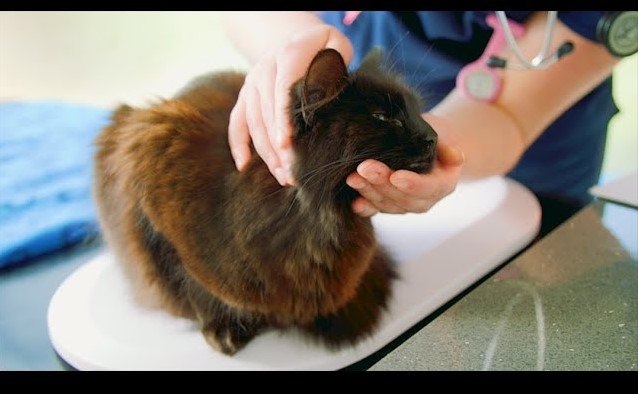
Should I feed my cat before the vet? For most routine exams, a light meal is fine, but if your cat is scheduled for surgery, blood work, or sedation, you must fast them to prevent complications. Always call your clinic beforehand to get specific instructions tailored to your cat’s medical needs.
Taking your feline friend to the veterinarian can be a stressful experience for both of you. You might spend time worrying about their health, the transport carrier, and the inevitable protest meows in the car. Amidst all that preparation, one question often pops up: Should I feed my cat before the vet? It is a common concern that carries more weight than you might think.
In 2026, veterinary standards continue to emphasize the safety and comfort of our pets. While the answer isn’t a simple “yes” or “no” for every situation, understanding the “why” behind fasting requirements will make your life much easier. Whether you are heading in for a quick vaccination or a more complex procedure, being prepared ensures the best possible outcome for your furry companion.
Key Takeaways
- Surgery Prep: If your cat is having an operation, they must fast to prevent vomiting and aspiration under anesthesia.
- Blood Tests: Certain diagnostic tests require an empty stomach to ensure glucose and triglyceride levels are accurate.
- Routine Exams: For a simple wellness check, a small snack is usually perfectly safe and can even help keep your cat calm.
- Communication is Key: Always call your veterinarian 24 hours prior to your appointment to ask if they have specific fasting requirements.
- Water is Crucial: Unless instructed otherwise, always leave fresh water available for your cat right up until you leave the house.
- Consider Travel Nerves: Some cats get car sick; feeding them a large meal right before a car ride can lead to an upset stomach.
Why Fasting Matters for Medical Procedures
The most important reason a veterinarian might ask you to skip a meal is the risk of aspiration. When cats undergo sedation or anesthesia for surgeries like spaying, neutering, or dental cleanings, their body’s reflexes relax significantly. This includes the gag reflex, which prevents stomach contents from traveling back up the throat.
Preventing Aspiration Risks
If a cat has a full stomach and needs to be sedated, there is a risk that they could vomit during the procedure. If they inhale that vomit into their lungs, it causes a serious condition called aspiration pneumonia. By ensuring your cat is fasted, the veterinarian minimizes the stomach volume and drastically reduces these life-threatening risks. Always follow the specific “NPO” (nothing by mouth) instructions provided by your clinic.
Ensuring Accurate Diagnostic Results
Sometimes, the goal of your visit is blood work. Fasting is often necessary for blood tests because nutrients from a recent meal can alter the results. For example, if your vet is checking for blood glucose levels or lipid (fat) profiles, a recent meal can cause “lipemia” or elevated sugar readings. These false positives can make it difficult for your vet to diagnose potential health issues accurately. If the doctor asks for fasting, they are doing it to ensure the blood work tells the truth about your cat’s health.
The Case for Routine Wellness Visits
If you are heading in for a routine check-up, an annual vaccination, or a discussion about nutrition, the rules change. In most cases, you do not need to withhold food. In fact, for some cats, having a little food in their system can be beneficial.
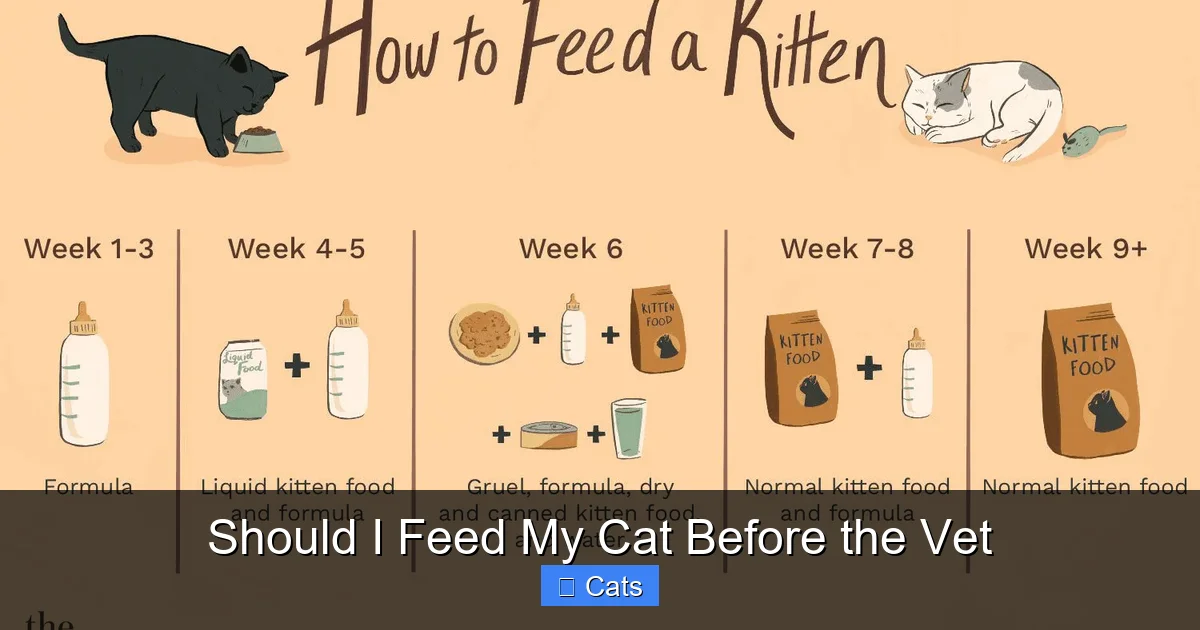
Visual guide about Should I Feed My Cat Before the Vet
Image source: thesprucepets.com
Managing Stress and Blood Sugar
A car ride and a visit to a loud, strange-smelling office can be very taxing on a cat. Having a small, light meal beforehand can prevent them from feeling “hangry” or anxious due to low blood sugar. A cat that isn’t starving is often more relaxed during the physical exam. However, keep the portion small. A heavy meal right before a car ride can make a cat feel bloated or prone to motion sickness.
Using Treats as Positive Reinforcement
Don’t be afraid to bring a small bag of their favorite treats along. Many vets use high-value treats to create a “fear-free” experience. If your cat is motivated by food, a little snack at the clinic can turn a scary experience into a positive one. Always let your vet know you have treats with you, especially if your cat has any dietary sensitivities or allergies.
Understanding Motion Sickness in Cats
Cats are generally not built for long car journeys. If your cat is prone to motion sickness, the question of “should I feed my cat before the vet” takes on a new perspective. Even if the vet says feeding is fine, you might want to skip the meal to keep your cat’s stomach settled.
Signs of Car Sickness
Watch for signs like excessive drooling, vocalizing, or heavy panting. If your cat shows these signs during short trips, feeding them a meal within two hours of travel is likely to lead to an accident in the carrier. Instead, try feeding them a smaller amount a few hours earlier or speak to your vet about potential natural calming aids for travel.
Tips for Smoother Transport
To reduce nausea, make sure the carrier is secure so it doesn’t slide around during turns. You can also cover the carrier with a light blanket to keep the environment dim and soothing. If you suspect your cat will be sick regardless of food intake, discuss travel anxiety or motion sickness medication with your veterinarian well in advance of your visit.
Communication: Your Best Tool
The landscape of veterinary care in 2026 remains highly personalized. Every clinic has its own protocols based on the specific equipment they use, the types of anesthesia they prefer, and the tests they are running. The best advice is always to communicate directly with your team.
When to Call the Clinic
If you are unsure about whether to feed your cat before the vet, call the office the day before. Ask a simple question: “My cat’s appointment is at 10:00 AM for a wellness check; do you need them to be fasted for any reason?” A quick 30-second phone call saves you from potential confusion or a wasted trip.
Keep a Record
If your cat is on a specific diet for a medical condition—such as diabetes—never fast them without explicit instructions. Diabetic cats have very specific needs regarding insulin and food. If you withhold food from a diabetic cat, their blood sugar could drop to dangerous levels. Always discuss your cat’s specific health management plan with your veterinarian before changing their feeding routine.
Water: The Exception to the Rule
While food is often restricted, water is almost always an exception. Unless you are specifically told otherwise by your veterinarian (usually only for very specific surgical procedures), you should leave fresh, clean water available for your cat at all times.
Staying Hydrated
Hydration is vital for your cat’s internal organ function, especially their kidneys. Even during a period of fasting for surgery, most vets will tell you to remove the food bowl at midnight but leave the water bowl down until the morning. Dehydration can make anesthesia more dangerous and can complicate blood draws, as it makes veins harder to find.
Monitoring Intake
If your cat stops drinking entirely due to stress or illness, that is a red flag. If you notice your cat hasn’t touched their water before a visit, mention this to your vet immediately upon arrival. It provides an important clue about their current hydration status and general well-being.
Final Thoughts on Vet Visits
Returning to our core question: Should I feed my cat before the vet? The answer is nuanced, but it always leans toward safety and preparation. If there is even a small chance that your cat will need sedation or blood tests, skipping the meal is the safest route. If it is just a social call or a basic check-up, a light snack is usually welcomed by your hungry pet.
Ultimately, your veterinarian is your partner in your cat’s health. They want the visit to be as stress-free as possible. By staying informed, communicating clearly, and being prepared, you ensure that every trip to the clinic is a productive step toward a long, happy life for your cat. Don’t let the “food question” stress you out—just make that quick call, prepare your carrier, and focus on providing the love and comfort your cat needs.
Frequently Asked Questions
Should I fast my cat for a routine vaccination?
No, you typically do not need to fast your cat for a routine vaccination. A normal meal is fine, but avoid feeding a large, heavy meal right before the car ride to prevent motion sickness.
What if my cat accidentally ate before a surgery appointment?
You must inform your vet immediately if your cat ate before a procedure. They may need to reschedule the surgery to avoid the risk of aspiration during anesthesia.
Does water count as food when fasting?
No, water is generally not restricted unless your veterinarian specifically instructs you to withhold it. Keep fresh water available unless you are told otherwise for a specific medical reason.
How long before the vet should I remove the food bowl?
If fasting is required, most vets recommend removing food 8 to 12 hours before the appointment. Always follow the specific instructions given by your veterinary clinic.
Can I give my cat treats during the car ride?
You can bring small treats to use as positive reinforcement at the clinic, but be careful with feeding during the ride itself. Many cats get motion sick, and eating in a moving vehicle can trigger vomiting.
Are diabetic cats treated differently regarding fasting?
Yes, diabetic cats have strict feeding and insulin schedules that should not be altered without professional guidance. Never fast a diabetic cat without explicit instructions from your vet, as it can cause dangerous blood sugar drops.