
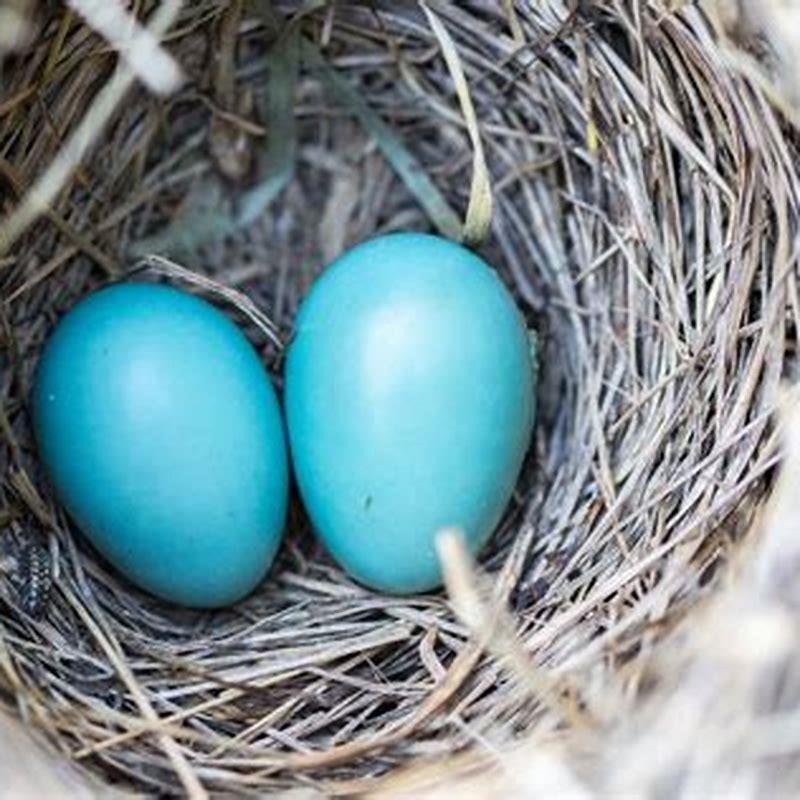
For readers in the United States, the short answer is simple: most birds of paradise lay one egg per clutch. Some species may lay two eggs, but a clutch of one is the usual pattern across this tropical bird family.
Birds of paradise live mainly in New Guinea, nearby islands, and parts of eastern Australia—not in the wild in the continental United States. Their nesting habits vary by species, so “birds of paradise” does not describe one single bird with one fixed egg count.

The Short Answer: Usually One Egg
Most female birds of paradise lay one egg at a time. In some species, a female may lay two eggs, but this is less typical.
A clutch means all the eggs laid during one nesting attempt. Therefore, a bird that lays one egg has a one-egg clutch. It may nest again in a later breeding period, but that does not make the first clutch larger.
Birds of paradise belong to the family Paradisaeidae. The family contains many species, including:
- Greater bird-of-paradise
- Lesser bird-of-paradise
- King of Saxony bird-of-paradise
- Wilson’s bird-of-paradise
- Superb bird-of-paradise
- Riflebirds
- Six-plumed bird-of-paradise
These birds do not all have the same nesting behavior. Still, a small clutch—often just one egg—is a strong general pattern.
Why is the clutch so small?
A one-egg clutch may help the parents focus their energy on one young bird. Birds of paradise often build small nests in trees or other elevated sites. A single chick may also be easier for the female to feed and protect in a nest that has limited space.
The bright feathers and courtship displays of male birds of paradise attract much attention. However, in many species, the female does most or all of the work of building the nest, incubating the egg, and raising the chick.

Do All Birds of Paradise Lay Only One Egg?
No. One egg is common, but it is not an absolute rule for every species or every nest. Some documented species can lay two eggs, and records may differ between populations or observations.
Scientists also have less nesting data for some birds of paradise than for familiar North American birds. Many species live in dense mountain forests and remote tropical habitats. Their nests can be difficult to find, and careful observation may be limited.
This means it is safer to use a range:
| Question | Best general answer |
|---|---|
| Usual clutch size | One egg |
| Possible clutch size in some species | Two eggs |
| Does the female lay many eggs at once? | No |
| Does one nest represent the female’s total eggs for life? | No |
| Can clutch size vary by species? | Yes |
The key point is that a female bird of paradise does not normally fill a nest with a large group of eggs. Her reproductive strategy is closer to careful investment in one young bird.

How Many Eggs Does a Bird of Paradise Lay in a Year?
There is no single yearly number for the whole family. The total depends on the species, breeding season, food supply, nest success, and whether the first nest fails.
A female may lay one egg in a nesting attempt. If the egg or chick is lost, she may try again. That does not mean she will always produce a set number of eggs each year.
Several factors can affect the annual total:
- Species: different birds of paradise have different breeding patterns.
- Food supply: Fruit, insects, and other foods support egg production and chick care.
- Weather: Heavy rain, storms, or drought may affect nesting.
- Predators: A failed nest may lead to another nesting attempt.
- Age and health: Young or weakened females may have lower breeding success.
- Habitat quality: Forest loss can reduce safe nest sites and food.
For this reason, “one egg per clutch” is more useful and accurate than claiming that every female lays exactly one egg per year.

Who Incubates the Egg?
In many birds of paradise, the female incubates the egg and raises the chick without help from the male. This pattern is linked to the family’s unusual courtship system.
Male birds often spend much of their effort displaying. They may use bright feathers, special plumes, calls, movement, or carefully chosen display sites to attract females. After mating, the female commonly selects a nest site and handles parental care.
The female must keep the egg warm during incubation. She also protects the nest and brings food to the hatchling after it emerges. The male’s colorful appearance does not mean that he helps with every part of nesting.
However, behavior can vary among species. Readers should avoid treating one well-known bird-of-paradise species as a perfect model for the entire family.

What Does the Egg Look Like?
Bird-of-paradise eggs are generally small compared with the adult bird and may have a pale color with markings. Exact size, color, and pattern vary by species.
A nest may be placed in:
- A tree branch
- A fork in the trunk
- Dense foliage
- A low shrub
- A raised plant structure
Nest shape also varies. Some species build cup-shaped nests, while others use plant fibers and leaves in different forms.
Egg appearance alone is not a reliable way to identify a bird-of-paradise egg. Many tropical bird eggs can look similar, and a correct identification may require the nest location, adult bird, habitat, and expert field knowledge.
In the United States, people should not handle or remove a wild bird nest or egg. Even when a species is not federally protected, local wildlife laws may apply. In addition, touching a nest can disturb the parent and expose the egg or chick to danger.

How Long Does the Egg Take to Hatch?
Incubation time differs by species, but many birds of paradise hatch their eggs after roughly two to three weeks of incubation.
That range is a general guide, not a rule for every species. Temperature, nest condition, observation quality, and species identity can affect published estimates.
After hatching, the chick remains dependent on the female. It needs warmth, protection, and food before it can leave the nest. The total time from egg laying to independence is much longer than the incubation period.
This distinction matters:
- Incubation period: Time from laying to hatching.
- Nestling period: Time the chick spends in the nest after hatching.
- Fledging: The stage when the young bird leaves the nest.
- Independence: The later stage when the young bird can survive with little or no parental help.
A chick leaving the nest does not always mean it can immediately fly or find all its own food.

Why Do Birds of Paradise Lay So Few Eggs?
Birds of paradise appear to follow a low-clutch strategy. Instead of producing many eggs, the female invests heavily in a small number of young.
This strategy can work when:
- The parent can find enough food for one chick.
- The nest is protected from predators.
- The young bird receives extended care.
- The species lives in an environment where raising several chicks at once is difficult.
A small clutch also creates a weakness. If the single egg fails, the female loses the entire breeding attempt. This makes nest protection and parental care especially important.
The strategy is not “better” than laying many eggs. It is one of several ways birds balance energy, danger, and the chance of producing surviving young.

Common Mistakes About Bird-of-Paradise Eggs
Mistake 1: Assuming every species lays the same number
Birds of paradise are a diverse family. The safest answer is “usually one, sometimes two,” with species-level differences.
Mistake 2: Confusing one clutch with one lifetime
A female may produce more eggs during later nesting attempts or breeding seasons. One egg describes a typical clutch, not her total lifetime production.
Mistake 3: Assuming the male incubates the egg
In many species, the female performs the main nesting work. Male display behavior and female parental care are often very different.
Mistake 4: Treating photos or videos as proof of a normal clutch
A photograph may show an unusual nest, a replacement clutch, or a species with different behavior. One observation does not define the whole family.
Mistake 5: Handling a wild egg
Wild bird eggs should not be moved, opened, or incubated at home. Contact a licensed wildlife rehabilitator or state wildlife agency if a nest is damaged or a chick is found.

Frequently Asked Questions
Do birds of paradise lay eggs or give birth to live young?
Birds of paradise lay eggs. They are birds, so their young develop inside eggs and hatch from them.
Can a bird of paradise lay three or more eggs?
That is not the normal pattern reported for the family. Most lay one egg, and some species may lay two. A clutch of three or more should not be assumed without reliable species-specific evidence.
Do male birds of paradise help raise the chicks?
Often, no. In many species, the female builds the nest, incubates the egg, and feeds the chick. Parenting behavior can vary, so species-specific sources are best for a precise answer.
Where do birds of paradise build their nests?
They often build nests above the ground in trees, shrubs, or dense vegetation. The exact nest site and materials depend on the species.
Are birds of paradise found wild in the United States?
Not as a native wild family in the continental United States. Birds of paradise are native mainly to New Guinea, nearby islands, and parts of eastern Australia. The phrase can also refer to ornamental plants, which are unrelated to the bird family.
Reliable Sources for Further Reading
For species accounts and conservation information, consult:
- Cornell Lab of Ornithology—Birds of the World
- San Diego Zoo Wildlife Alliance—Birds of Paradise
- Encyclopaedia Britannica—Bird-of-Paradise
- BirdLife International
- Smithsonian’s National Zoo and Conservation Biology Institute
These sources may provide different details because nesting records are not equally complete for every species.
Conclusion
Most birds of paradise lay one egg per clutch. Some species can lay two, but large clutches are not typical. The female usually handles incubation and chick care, while the male often focuses on courtship displays.
For the most accurate answer, identify the species first. A general family-level answer is useful, but a species account is needed for exact clutch size, incubation time, nest design, and breeding frequency.