
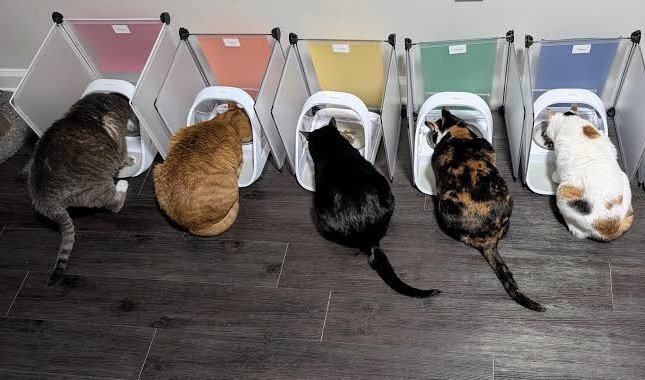
Managing mealtime for two cats requires a structured approach to ensure each pet receives the right nutrition and avoids resource guarding. By using dedicated feeding spaces, smart technology, or timed routines, you can create a stress-free environment that keeps your cats happy and healthy.
Feeding your cats should be a happy part of your day, but for many owners in 2026, it can feel like a high-stakes tactical mission. If you live with two or more cats, you have probably witnessed the classic feline drama: one cat steals food, another hides, and someone ends up with an upset stomach. Learning how to feed two cats separately is not just about keeping the kitchen tidy; it is about protecting your cats’ health and reducing stress in their daily lives.
In our modern homes, we often forget that cats are solitary hunters by nature. Even if they are the best of friends, they do not naturally want to share a dinner plate. When you force them to eat from the same area or bowl, you might be creating unnecessary friction. Whether you have one cat on a prescription diet or a “vacuum cleaner” cat that devours everything in sight, this guide will help you master the art of separate mealtimes.
Key Takeaways
- Understand Dietary Needs: Every cat has unique caloric requirements, making separate feedings essential for medical or weight-management diets.
- Utilize Smart Feeders: Microchip-enabled feeders are the gold standard for households with two cats, as they only open for the specific pet programmed to use them.
- Physical Barriers: Using baby gates or separate rooms helps prevent timid cats from feeling bullied during mealtime.
- Establish a Routine: Feeding at the same time every day reduces anxiety and minimizes the urge to steal food from other bowls.
- Monitor Consumption: Keeping a close eye on who eats what helps identify early signs of health issues like loss of appetite.
The Importance of Individual Feeding
Health and Medical Requirements
The most critical reason to learn how to feed two cats separately involves medical necessity. If one cat has diabetes, kidney disease, or is on a weight-loss plan, their food intake must be strictly controlled. Allowing a cat on a weight-management diet to snack on high-calorie kitten food will sabotage your vet’s goals. By keeping their meals separate, you ensure that every cat gets the precise nutrients their body needs to thrive.
Reducing Behavioral Stress
Resource guarding is a real issue in multi-cat households. When a more dominant cat intimidates a shy cat during feeding, the shy cat may begin to associate mealtime with anxiety. This can lead to behavioral changes, such as eating too quickly, vomiting, or refusing to eat at all. By establishing clear boundaries on how to feed two cats separately, you help the shy cat feel secure and the dominant cat remain calm, as they no longer feel the need to defend their bowl.
Creating Dedicated Feeding Zones
The Room Divider Approach
If your home layout allows for it, the simplest way to feed two cats separately is to put them in different rooms. For many owners, this means feeding one cat in the kitchen and the other in a quiet laundry room or a spare bedroom. Close the door for ten to fifteen minutes while they eat. This physical barrier ensures that neither cat can bully the other, allowing both to focus on their nutrition without distractions.
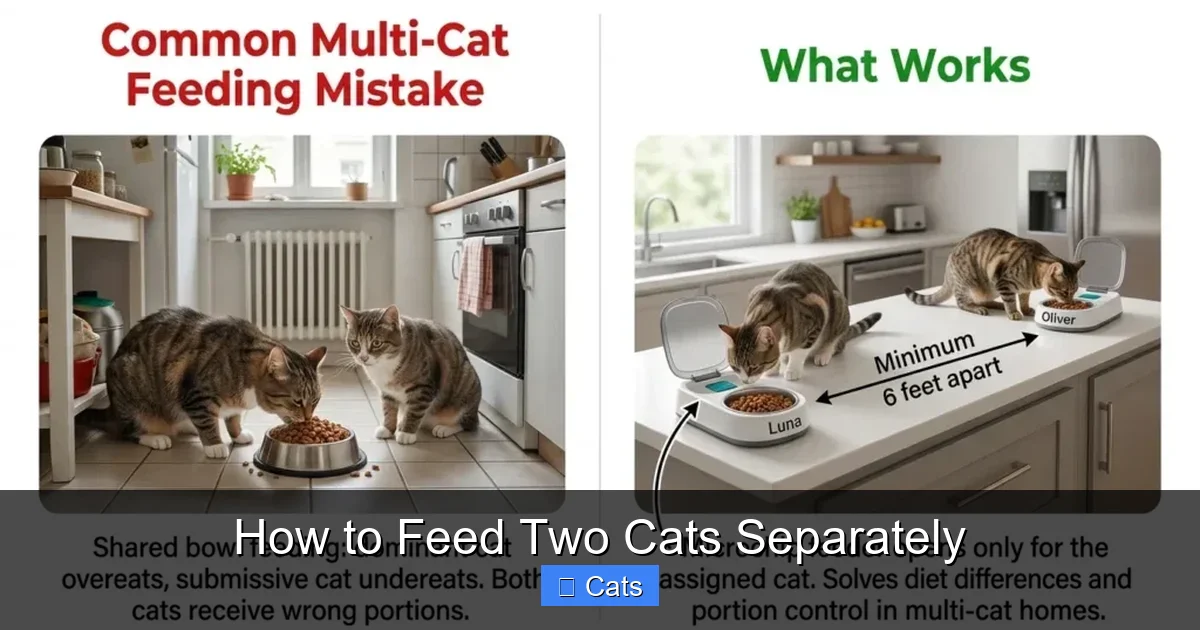
Visual guide about How to Feed Two Cats Separately
Image source: indoorlivingcat.com
Vertical Space Solutions
If you don’t have enough rooms, use vertical space to your advantage. Some cats are perfectly happy eating on a sturdy shelf, a high cat tree, or a dedicated dining table. By placing one bowl on the floor and the other at a higher level, you provide enough distance to stop “bowl hopping.” Most dominant cats prefer to stay on the floor where they have more mobility, while more timid cats often feel safer eating from a vantage point.
Technology: The Modern Solution for 2026
Microchip-Enabled Feeders
In 2026, technology is our best friend when it comes to pet care. Microchip-reading feeders are revolutionary tools. These devices are designed to recognize the unique ID chip of a specific cat. When the “right” cat approaches, the lid opens.
When they walk away, it closes. This is a game-changer for households where one cat is on medication and the other is a notorious thief. While the initial investment might seem high, the peace of mind is worth every penny.
Timed Auto-Feeders
If you are away at work, timed auto-feeders allow you to manage meals precisely. By using two separate feeders placed on opposite sides of a room, you can ensure each cat gets their portion at the same time. This prevents the “fast eater” from finishing their bowl and moving on to the “slow eater’s” dish. It also keeps your schedule consistent, which is the cornerstone of feline happiness.
Strategic Meal Scheduling
Synchronized Feeding Times
Consistency is key to cat behavior. You should aim to feed your cats at the same time every day. When you use a predictable schedule, your cats learn that food is not a scarce resource. This reduces the frantic energy that often leads to food stealing. If you know that your cats tend to fight, serve their meals at the exact same moment, but keep your body positioned between them until they are finished.
The “Supervised Meal” Method
For cats that need supervision, sit with them while they eat. If you notice one cat drifting toward the other’s bowl, gently redirect them back to their own. This requires patience, but over time, your cats will learn the rules. Use positive reinforcement, like a quiet “no,” and offer a small pet once they are finished. The goal is to make the separate feeding area a “happy zone” for each cat.
Addressing Common Challenges
What to do if one cat is a grazer
Some cats like to eat a few bites, walk away, and come back an hour later. If your other cat is a scavenger, this presents a problem. In this case, you must transition the grazer to scheduled meal times.
Start by picking up the bowl after 20 minutes. It might take a few days of resistance, but most cats will adjust to a routine quickly. If you must leave food out, a microchip feeder is the only effective way to protect the grazer’s portions.
Dealing with Food Stealing
If your cat is stealing food, they might be hungry, or they might just be bored. Ensure you are providing enough mental stimulation through puzzle toys and play. Sometimes, an extra meal of high-protein, low-calorie wet food can help satisfy their appetite. Always check with your vet before changing their diet to ensure the stealing isn’t a sign of an underlying medical issue, such as hyperthyroidism.
Building a Peaceful Household
Communication and Body Language
Watch your cats. If one cat is tail-flicking or hissing, they are telling you they are uncomfortable. When learning how to feed two cats separately, you must listen to these cues. If your cats aren’t getting along, you may need to use a baby gate to create a visual barrier. This allows them to see each other and maintain their bond, without the tension of competing for food right next to each other.
Conclusion
Learning how to feed two cats separately is a journey of patience and observation. By utilizing the right tools, such as microchip feeders, and maintaining a consistent, stress-free routine, you are doing more than just feeding your pets you are nurturing their mental and physical well-being.
Whether you have a pair of best friends or two cats that tolerate each other from a distance, these strategies will ensure that every meal is a calm, healthy, and successful experience. Enjoy your time with your feline companions in 2026, knowing you have created the best possible home for their needs.
Frequently Asked Questions
Why can’t I just let my cats share a bowl?
Sharing a bowl often leads to bullying, where one cat eats more than their share and the other goes hungry. It also makes it impossible to track if a cat is losing their appetite, which is an early warning sign of illness.
Are microchip feeders worth the price?
For many households, absolutely. They effectively prevent food theft and ensure that cats on specialized or prescription diets do not consume the wrong food, saving you money on potential vet bills.
How do I transition a cat who is used to free-feeding?
Start by offering scheduled meals at specific times and picking up the bowl after 20 minutes. Most cats will adjust within a week once they realize that food will be provided consistently at those specific times.
What should I do if one cat is a fast eater and the other is slow?
Use a slow-feeder bowl for the fast eater to keep them occupied, and feed the slow eater in a separate room behind a closed door. This ensures the slow eater has the time they need to finish in peace.
Can I use baby gates to separate them?
Yes, baby gates are an excellent, affordable way to provide distance between cats during mealtime. They allow the cats to see each other while ensuring they cannot access each other’s food bowls.
How do I know if my feeding strategy is working?
If both cats are maintaining a healthy weight and showing no signs of anxiety or aggression during mealtime, your strategy is working. You should also notice less stress and more peaceful interactions between them throughout the day.