
Managing your cat’s diabetes starts with the right nutrition. By choosing a high-protein, low-carbohydrate diet, you can help regulate your cat’s blood sugar levels and improve their overall quality of life. Always consult your veterinarian before making any dietary changes to ensure your pet stays safe and healthy.
Receiving a diabetes diagnosis for your furry friend can feel overwhelming. It is natural to worry about their future and how their daily life will change. However, you should know that many cats live long, happy, and active lives even after a diagnosis. The most powerful tool you have in your kit is your cat’s food bowl. By choosing what to feed diabetic cats, you are taking a direct step toward helping them feel their best again.
In 2026, we have access to better diagnostic tools and a wider variety of specialized pet foods than ever before. Understanding the link between feline nutrition and blood sugar is the secret to successful management. Let’s walk through the steps of building a healthy, cat-friendly menu that keeps your pet’s engine running smoothly.
Key Takeaways
- Carbohydrates matter: Reducing starch is the most important step in managing blood sugar for diabetic cats.
- Protein is king: Cats are obligate carnivores and thrive on high-protein diets that provide sustained energy.
- Consistency is key: Feeding your cat at the same time each day helps synchronize their metabolism with insulin injections.
- Monitor the weight: Keeping your cat at an ideal body weight is crucial for insulin sensitivity.
- Water access: Diabetic cats often struggle with dehydration; always provide fresh, clean water at all times.
- Consult your vet: Never change your cat’s diet without professional guidance, as it can cause dangerous swings in blood glucose levels.
The Science Behind Diabetic Nutrition
To understand what to feed diabetic cats, we first need to understand how a cat’s body processes food. Cats are strict carnivores. In the wild, their diet consists of small prey, which is high in protein, moderate in fat, and extremely low in carbohydrates. When we feed them dry kibble filled with grains and starches, we are giving them a fuel source their bodies were not designed to process efficiently.
The Problem with Carbohydrates
Most commercial dry foods use starch to hold the kibble together. When a diabetic cat eats these starches, their blood sugar spikes rapidly. Because their body is not producing enough insulin—or is resistant to the insulin it does produce that sugar stays in the bloodstream instead of fueling their cells. By switching to a low-carb diet, we stop the spike before it starts. This helps stabilize blood glucose levels and reduces the need for high doses of insulin.
Protein: The Foundation of Health
Protein is the building block of life for cats. When a diabetic cat eats a high-protein diet, they feel fuller for longer. It also helps preserve their muscle mass. Many diabetic cats lose weight rapidly before they are diagnosed. A diet rich in high-quality animal protein helps them regain their strength. Look for labels that list chicken, beef, or fish as the first ingredient rather than corn, wheat, or rice fillers.
Choosing the Best Diet for Your Cat
When you walk down the pet food aisle, it can be dizzying. With so many options, how do you know what to feed diabetic cats? The general rule of thumb for 2026 is that wet food is usually superior to dry food for diabetic patients. Most wet foods naturally contain more moisture and fewer carbohydrates.
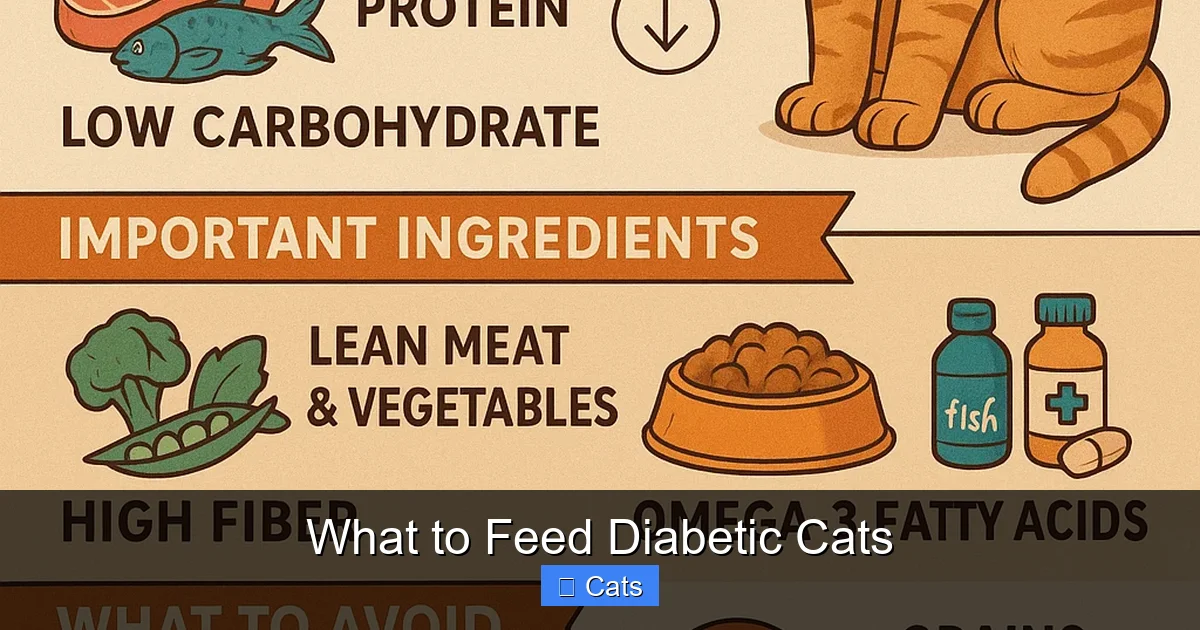
Visual guide about What to Feed Diabetic Cats
Image source: pawsbro.com
Canned Food vs. Dry Kibble
Canned food is often the gold standard for diabetic management. It mimics the moisture content of a natural diet, which helps protect your cat’s kidneys. If your cat is a “dry food addict,” do not panic. Transitioning them can take time.
You can try mixing a small amount of warm water or canned food into their kibble to get them used to the texture. Always make sure the switch happens slowly over one to two weeks to avoid stomach upset.
Reading the Labels
Learning to read a label is like learning a new language, but it is well worth the effort. Ignore the marketing on the front of the bag. Look at the “Guaranteed Analysis” on the back. You are looking for a diet where the carbohydrates make up less than 10% of the calories.
If the label does not provide this info, look up the product online. Many manufacturers publish detailed nutrient profiles on their websites. If you are ever unsure, your vet’s office can run the math for you.
Feeding Schedules and Insulin Timing
What to feed diabetic cats is only half the battle; when you feed them is just as important. Consistency is the secret ingredient. Most insulin protocols are designed to work alongside regular mealtimes. If you feed your cat at the same time you give them their insulin shot, you ensure that the glucose from their meal enters their bloodstream exactly when the insulin is ready to work.
The Importance of a Routine
Cats are creatures of habit. They love a routine, and their hormones do, too. Try to set a schedule that matches your lifestyle. If you work nine-to-five, you might feed them once in the morning and once when you get home. Consistency helps prevent “hypoglycemia,” which is a dangerous drop in blood sugar. If your cat skips a meal, you must call your vet, as their insulin dose may need to be adjusted for that day.
Small, Frequent Meals
Some cats do better with multiple small meals throughout the day. This keeps their blood sugar levels on a steady “plateau” rather than a mountain-and-valley track. If you are away during the day, consider using an automatic pet feeder. In 2026, these devices are very affordable and can be set to release a portion of wet or dry food at specific times, ensuring your cat never goes too long without a snack.
Hydration and the Diabetic Cat
One of the most common signs of feline diabetes is increased thirst. Because their body is trying to flush excess sugar out through their urine, they lose a lot of water. You must ensure your cat has constant access to fresh water. If they prefer running water, a fountain can encourage them to drink more. Since you are feeding them wet food, they will naturally get more water in their diet, which is a big win for their health.
Signs of Dehydration
Always watch your cat for signs of dehydration. A simple test is to gently pull up the skin between their shoulder blades. In a healthy cat, it should snap back immediately. If it stays tented or sinks back slowly, your cat might be dehydrated. This is a sign to visit your vet. Always provide multiple water bowls around the house so they do not have to travel far for a drink.
Managing Treats and Snacks
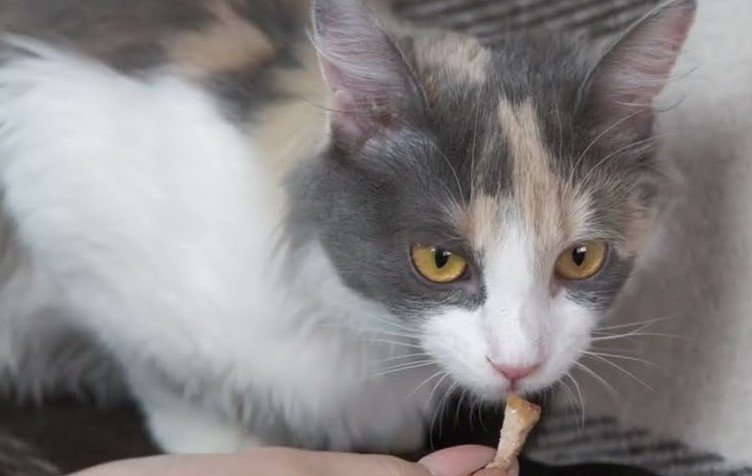
We all love to spoil our cats. Even with a medical condition, you can still give them treats. The key is to be picky about what you offer. Avoid store-bought treats that are full of sugar, syrup, or grains. Instead, look for freeze-dried meat treats. Pure, freeze-dried chicken or salmon is a perfect snack for a diabetic cat because it is almost pure protein.
Better Alternatives to Traditional Treats
If your cat loves a crunch, look for low-carb dental treats, but check the ingredient list first. Even better, you can use a portion of their regular diabetic-friendly wet food as a “treat” by offering it in a different bowl or at a different time. Remember that treats should never make up more than 10% of your cat’s total daily calorie intake. Stick to the rule of quality over quantity.
Working with Your Veterinarian
You and your veterinarian are a team. When discussing what to feed diabetic cats, bring your vet into the conversation early. They have seen many cases and can offer advice tailored to your specific cat’s needs. They can also track your cat’s blood glucose curves to see how the food is affecting them. Never feel bad about asking questions—you are your cat’s best advocate.
Monitoring Progress
In 2026, technology like continuous glucose monitors (CGMs) makes tracking easier than ever. These small devices stick to your cat and send data to your phone. Ask your vet if this is an option for you.
It takes the guesswork out of how your cat is responding to their meals. Keep a simple log of what they eat and how much, and share this with your vet during checkups. Success in managing diabetes is a marathon, not a sprint, and you are doing a great job.
Conclusion
Managing a diabetic cat might seem daunting at first, but with the right diet and a consistent routine, you can help your cat live a vibrant, happy life. Remember: focus on high protein, low carbohydrates, and steady meal times.
Keep your vet close by for support, and do not forget to give your cat plenty of love and affection. By carefully choosing what to feed your cat, you are doing more than just filling their bowl; you are providing the fuel they need to thrive despite their condition.
Frequently Asked Questions
Can my diabetic cat still eat dry food?
While many vets recommend wet food to lower carbohydrate intake, some specialized low-carb dry diets exist. Always ask your veterinarian if a specific kibble is appropriate for your cat’s health status.
How often should I feed my diabetic cat?
Most diabetic cats thrive on a schedule of two to four small, consistent meals per day. Feeding at the same times each day is essential to synchronize with their insulin injections.
Are there “human” foods I can give my diabetic cat?
It is best to stick to commercially prepared, high-protein feline diets designed for diabetes. Some cats may enjoy small pieces of plain, cooked chicken, but check with your vet before adding human food to their diet.
Why is my diabetic cat still so thirsty?
Increased thirst is a common symptom of diabetes because the body is trying to flush out excess blood sugar through the urine. This should improve as you regulate their blood glucose levels through diet and insulin.
What should I do if my cat refuses to eat their new diet?
Do not force your cat to eat a new diet, as they need to eat to prevent dangerous health complications. Introduce the new food slowly by mixing small amounts with their old food over several days.
How do I know if my cat’s diet is working?
You will see improvements in their energy levels, a reduction in excessive thirst, and more stable blood sugar readings. Your veterinarian will perform “glucose curves” to confirm that the diet is effectively managing their condition.