
Introduction
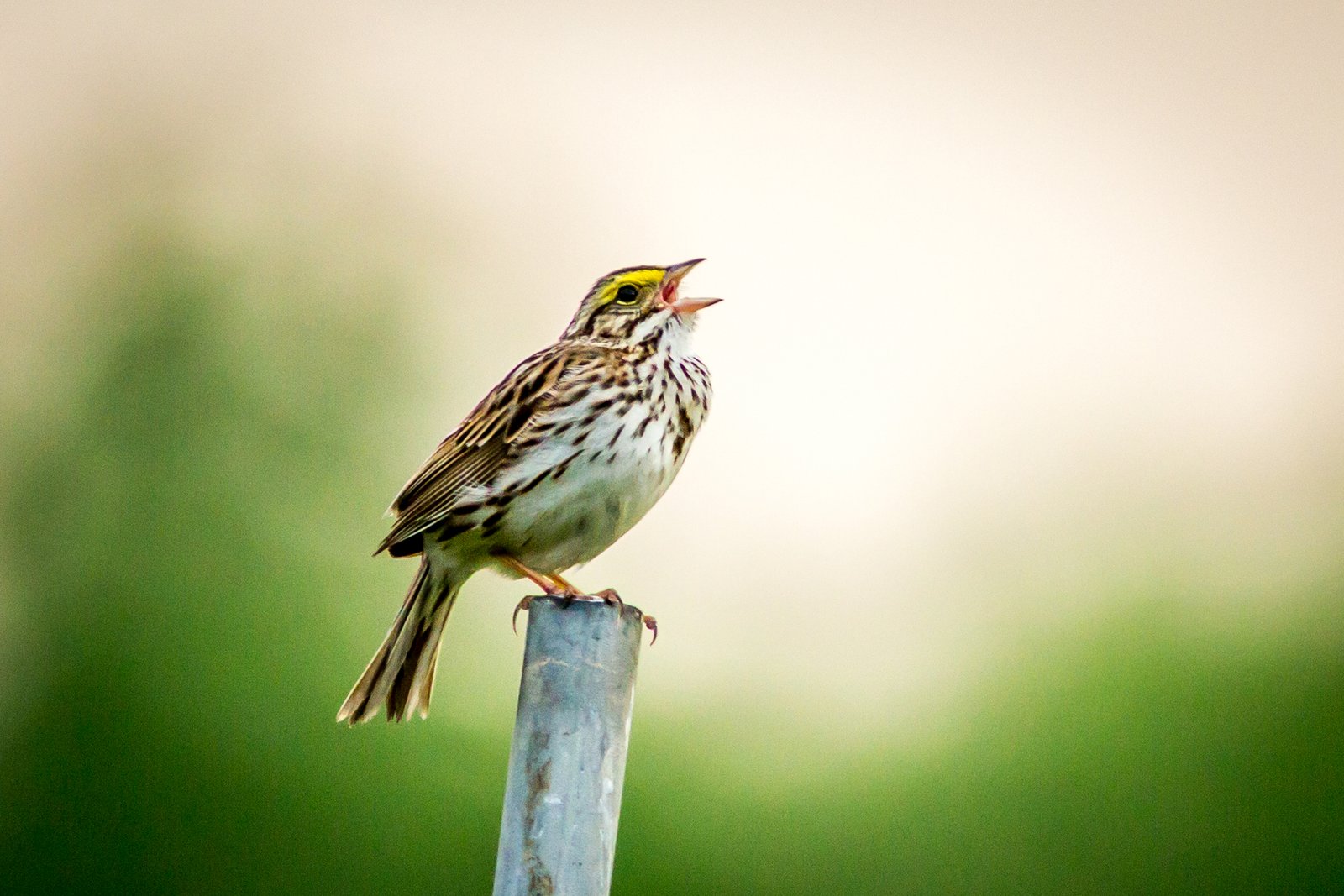
A bird call is a short sound a bird makes to send a message. In the United States, you may hear bird calls in a city park, a backyard in Ohio, a desert in Arizona, or a forest in Maine. Birds use these sounds to warn of danger, stay in touch, find a mate, defend space, and care for young.
A bird call is not always a song. A call is often brief and used for a clear need. A birdsong is usually longer and more complex, though the two terms can overlap. Learning this difference makes birdwatching easier because sound can reveal a bird that you cannot see.
Bird Call Definition
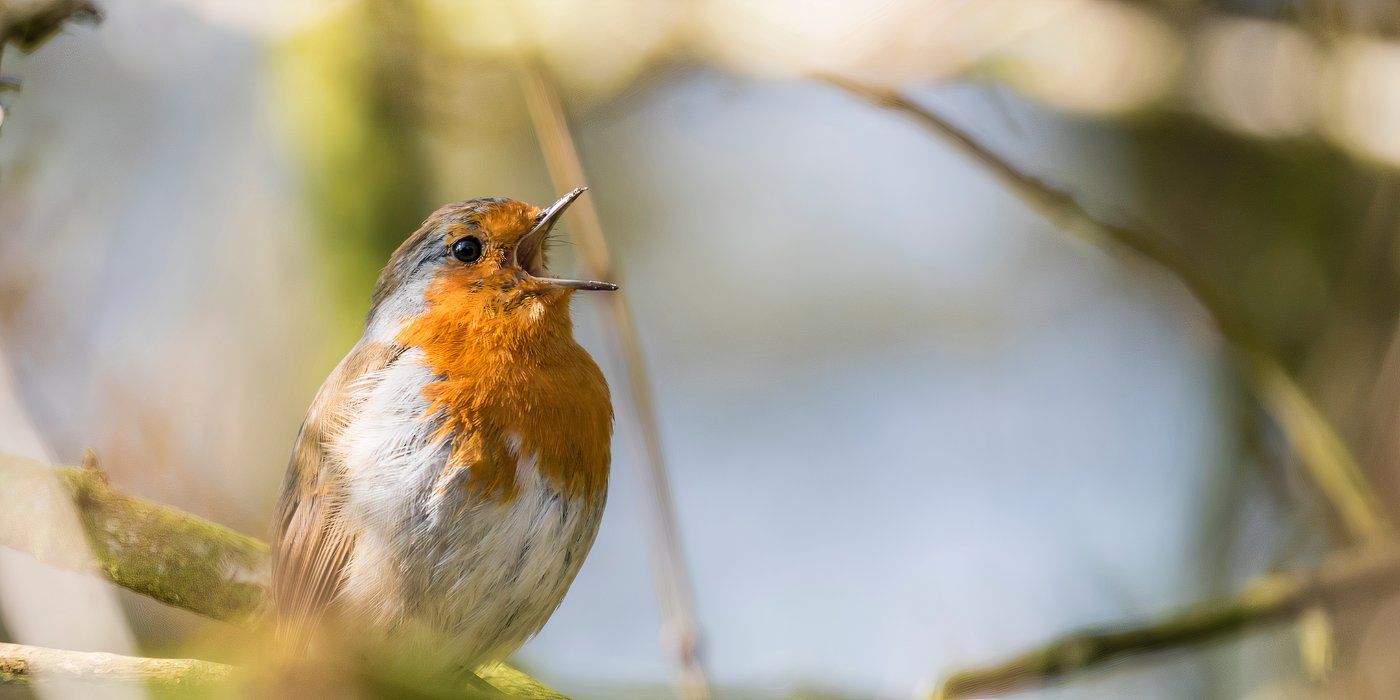
A bird call is a vocal sound made by a bird for communication. The sound may contain one note, several notes, or a fast series of tones. Each species has its own sound range, but birds can also change their calls based on age, sex, danger, season, and location.
Bird calls help birds share information when vision is limited. Dense leaves, darkness, tall grass, and long distances can hide a bird from view. Sound can travel through these spaces more easily than a clear visual signal.
A bird call can carry several kinds of information:
- Identity: “I am a member of this species.”
- Location: “I am here.”
- Warning: “A predator is nearby.”
- Contact: “Where are you?”
- Alarm: “Danger is close.”
- Food news: “There is food in this area.”
- Courtship: “I am ready to mate.”
- Territory: “Stay away from this space.”
- Parent-young contact: “Come back” or “Follow me.”
The meaning is not always fixed. A single sound may mean different things in different settings. A soft note between two flock members may be a contact call. The same species may give a louder, sharper version when a hawk appears.
Bird Calls vs. Bird Songs
Bird calls and bird songs are both forms of bird communication, but they often serve different roles.
| Feature | Bird call | Birdsong |
|---|---|---|
| Usual length | Short | Longer |
| Main purpose | Contact, warning, alarm, or coordination | Territory or mating |
| Sound pattern | Simple or moderately complex | Often musical or complex |
| Timing | Any season or time | Often strongest in breeding season |
| Common users | Males, females, and young | Often adult males, but not always |
| Example | A chick begging for food | A male claiming a breeding area |
This table shows common patterns, not strict rules. Some birds use songs all year. Some females sing. Some calls are long and complex, while some songs are short.
The American Robin, for example, has a familiar spring song. It also gives short calls when it is alarmed or moving through a yard. A Northern Cardinal may sing from a high branch, then give sharp notes when it notices a predator.
A simple way to remember the difference is this:
A call often helps birds manage the moment. A song often helps birds manage space or courtship.
How Birds Make Sounds
Most birds make vocal sounds with an organ called the syrinx. It sits near the base of the windpipe, where the airway divides into two tubes leading to the lungs.
The syrinx works somewhat like a pair of tiny sound makers. Air from the lungs moves across vibrating tissue. Muscles then adjust the tension and shape of the sound. Some birds can control both sides of the syrinx at once. This lets them produce two tones at the same time.
A bird’s beak, throat, tongue, and body also affect the final sound. The bird’s surroundings matter too. Trees, buildings, water, and wind can change how a call travels.
Birds do not all hear the world in the same way humans do. A call that sounds simple to us may contain details that help another bird judge distance, urgency, or identity. Many bird calls also occupy sound ranges that overlap with insects, frogs, and other wildlife.
Common Types of Bird Calls
Contact calls
Contact calls help birds stay together. A bird may use one while feeding, flying, or moving through thick cover. Flocks often use these soft notes to keep track of one another.
You may hear contact calls before you see the birds. Chickadees, sparrows, finches, and many other flocking birds use them often.
Alarm calls
Alarm calls tell nearby birds that a threat may be present. They are often sharper, louder, or more repeated than normal contact calls.
The exact sound can change with the threat. A bird may react differently to a hawk overhead than to a cat near the ground. Some birds also respond to alarm calls from other species.
Distress calls
A distress call signals severe danger. A captured bird, trapped bird, or injured bird may produce one. These sounds can attract attention from nearby birds, predators, or people.
Do not approach a distressed wild bird unless you can do so safely. A bird that appears injured may need help from a licensed wildlife rehabilitator rather than direct handling.
Begging calls
Young birds use begging calls to ask adults for food. These calls can be loud and repeated. They help parents find chicks in a nest or dense plants.
A young bird on the ground is not always abandoned. Many fledglings leave the nest before they can fly well. Their parents may still feed them nearby.
Flight calls
Some birds call while flying. These sounds help a flock stay together or warn others as the group moves. Flight calls are useful clues during migration, when birds may pass overhead at night.
Territorial calls
Territorial calls can warn other birds to stay away. They may sound between a full song and a short call. A bird may repeat them from a fixed perch or from the edge of its territory.
Why Do Birds Call?
Birds call because sound helps them solve problems that sight cannot solve well. A call can work through darkness, brush, rain, or distance.
The most common reasons include:
- Finding a mate
- Protecting a nest or feeding area
- Warning about predators
- Keeping a family or flock together
- Calling young birds
- Asking for food
- Reporting a change in the environment
- Defending a social position
Bird calls can also spread through a community of birds. When one species gives an alarm call, other species may react. This shared response is sometimes called an alarm network or mixed-species mobbing.
The meaning of a call depends on more than the sound itself. Location, season, body movement, repetition, and the presence of other birds all provide clues.

How to Identify a Bird by Its Call
The best way to identify a bird call is to combine sound with place, time, behavior, and appearance. Do not rely on the sound alone when several species share similar notes.
1. Record the setting
Write down:
- State or region
- Habitat
- Date and time
- Weather
- Nearby plants or water
- Whether the bird was alone or in a group
A call in a pine forest may point to different birds than the same call in a city pond.
2. Describe the sound
Use plain words first. Ask:
- Is it high or low?
- Is it clear, rough, buzzy, hollow, or nasal?
- Is it loud or soft?
- Is it fast or slow?
- Does it rise, fall, or stay level?
- Does it repeat?
- How many notes are in each phrase?
For example, you might write: “A short, high, clear note repeated three times.” This description is more useful than saying only that the bird sounded “pretty.”
3. Watch the rhythm
Rhythm can be a strong clue. Some calls have one note. Others have pairs, triplets, or long strings.
Listen for patterns such as:
- One note, pause, one note
- Two quick notes
- A rising whistle
- A harsh burst
- A fast rattle
- A repeated phrase with equal pauses
4. Look for the bird
Check nearby branches, wires, shrubs, tree trunks, and roof edges. Birds often call from a regular perch.
Use binoculars if you have them. Avoid moving quickly toward the sound. A quiet observer often sees more than a person who walks straight at the bird.
5. Compare the sound with trusted recordings
The Cornell Lab of Ornithology’s All About Birds site and Macaulay Library provide bird information and recordings. The National Audubon Society also offers bird identification resources.
Use recordings as comparisons, not final proof. Distance, wind, echoes, young birds, local accents, and background noise can make one species sound different from another.
6. Check the range and season
A likely identification must fit the place and time. The eBird Status and Trends project and regional field guides can help with distribution. A species may occur in your state but not in your habitat or season.
7. Seek more than one clue
A strong identification usually combines:
- Matching sound
- Correct geographic range
- Correct habitat
- Correct season
- Matching behavior
- Visual confirmation, when possible
Sound alone can suggest an answer. Several matching clues make the answer more reliable.
Bird Call Examples in the United States
The following examples describe common sounds, but local variation is normal.
Northern Cardinal
The Northern Cardinal gives sharp, metallic contact and alarm notes. Its song is a series of clear whistles, often described with phrases such as “cheer-cheer-cheer” or “birdie-birdie-birdie.” Both males and females may make calls.
Black-capped Chickadee
The Black-capped Chickadee uses a clear “chick-a-dee-dee-dee” call. The number and strength of the final notes may change with the level of danger. It also gives soft contact sounds while moving with a flock.
American Robin
The American Robin gives a bright, phrase-like song with pauses between groups of notes. Its calls include short, sharp sounds used during alarm or contact.
Mourning Dove
The Mourning Dove is known for a low, steady coo. People sometimes mistake this sound for an owl or another bird. Wing sounds during takeoff can also provide a useful clue.
Blue Jay
The Blue Jay makes many sounds, including loud calls, harsh notes, rattles, and imitations. Its wide sound range means that one brief call may not be enough for identification.
Red-tailed Hawk
The Red-tailed Hawk has a loud, drawn-out scream. Movies often use a hawk sound for other birds, so the sound heard in a film may not match the bird shown on screen.
Bird Call, Birdsong, and Nonvocal Sounds
Not every bird sound comes from the syrinx. Birds also use nonvocal sounds to communicate.
Examples include:
- Wing claps
- Bill snaps
- Foot stomps
- Tail rattles
- Feather vibrations
- Drumming on wood
- Wing whistles during flight
Woodpeckers create drumming sounds by striking a surface. Some owls make wing sounds during courtship. A Ruffed Grouse can produce a deep, rapid wingbeat display.
These sounds may be called mechanical sounds because they come from body parts or physical actions rather than the vocal organ.
This distinction matters when identifying birds. If you hear repeated tapping, the source may be a woodpecker. If you hear a rushing sound near a tree, it may come from wings rather than a voice.
How to Record a Bird Call
You can record a useful bird call with a smartphone, but good technique matters more than expensive equipment.
Basic steps
- Stop and listen before recording.
- Move away from roads, loud people, and running water if possible.
- Point the phone microphone toward the sound.
- Hold the phone still.
- Record for at least 30 seconds.
- Note the location, time, weather, and habitat.
- Save the original file before editing.
Do not play a bird recording to lure a bird closer. Playback can stress birds, interrupt feeding, expose a nest, or attract predators. The American Birding Association and many birding groups advise restraint with playback, especially during nesting season.
Never enter a closed area or approach a nest for a better recording. The goal is to learn from the bird without changing its behavior.

Why Bird Calls Sound Different
A bird call may sound different each time because sound changes as it travels.
Important factors include:
- Distance: High notes may fade first.
- Wind: Wind can mask soft calls.
- Rain: Rain adds a steady background layer.
- Echo: Buildings and rock walls may repeat or bend a sound.
- Vegetation: Leaves and branches can absorb or scatter sound.
- Time of day: Dawn often has lower background noise.
- Age: Young birds may sound less controlled.
- Regional variation: Birds can develop local song differences.
- Stress: Alarm may change the speed or loudness of a call.
A recording app may also alter the sound. Automatic noise reduction can remove parts of a call. Phone microphones may not capture very low or very high sounds well.
For this reason, a failed recording does not prove that no bird was present. It may only mean that the sound was too faint, distant, or masked by noise.
Common Mistakes When Learning Bird Calls
Mistake 1: Matching only one syllable
Written phrases such as “cheer,” “drink,” or “who-cooks-for-you” are memory aids. They do not represent exact bird language. Focus on pitch, rhythm, tone, and context.
Mistake 2: Ignoring habitat
A sound match is weak if the bird does not live in that setting. Check range and habitat before accepting an identification.
Mistake 3: Confusing calls with songs
A bird may have several sounds. Learning only its main song can cause you to miss its alarm, contact, and flight calls.
Mistake 4: Trusting an app without checking
Automatic sound identification tools can suggest likely species. They can also mistake insects, frogs, machines, or similar birds for the target species. Treat the result as a lead.
Mistake 5: Chasing the sound
Walking toward a calling bird may cause it to stop calling or leave the area. Stand still, scan slowly, and protect the bird’s space.
Mistake 6: Assuming a ground bird is abandoned
A fledgling may sit on the ground while its parents feed it. Keep pets away and watch from a distance. Contact a licensed wildlife rehabilitator if the bird is visibly injured, cold, or in immediate danger.
Frequently Asked Questions
Is a bird call the same as a bird sound?
No. A bird call is one kind of bird sound. Bird sounds also include songs and nonvocal sounds such as wing claps, bill snaps, and woodpecker drumming.
Can birds understand each other’s calls?
Birds can respond to calls from their own species and, in some cases, to calls from other species. An alarm call from one bird may warn nearby birds of several species. The exact meaning depends on the sound, situation, and species.
Do female birds make calls?
Yes. Females and males can both use calls. In some species, females also sing. The role of a sound depends on the species and situation, not only on the bird’s sex.
Can a bird call identify the species?
It can provide a strong clue, but sound alone is not always enough. Use range, habitat, season, behavior, and visual details to improve confidence.
Why do birds call at night?
Night calls may help birds migrate, keep contact with a mate or flock, respond to danger, defend a territory, or react to artificial light and noise. Some species are naturally active at night, while others may call after disturbance.
Key Takeaways
- A bird call is a sound used to communicate a need or message.
- Calls often signal contact, danger, food, territory, or care of young.
- A birdsong is usually longer and often linked to mating or territory.
- Birds make vocal sounds with the syrinx.
- Some bird sounds come from wings, bills, feet, or drumming rather than the voice.
- The best identification method combines sound, habitat, season, behavior, and range.
- Record birds from a distance and avoid playback near nests or during sensitive periods.
Conclusion
A bird call is a small but useful message. It can tell a flock to stay together, warn of a hawk, guide a young bird to food, or mark a space for breeding.
To learn bird calls, start with common species in your area. Listen for rhythm and tone, write down the setting, and compare the sound with trusted recordings. With practice, a short note from a hidden bird can become a clear clue about what is happening nearby.
Further Reading
- Cornell Lab of Ornithology: All About Birds
- Cornell Lab Macaulay Library
- National Audubon Society: Birding Resources
- U.S. Fish & Wildlife Service: Birds
- eBird Status and Trends
