
Introduction
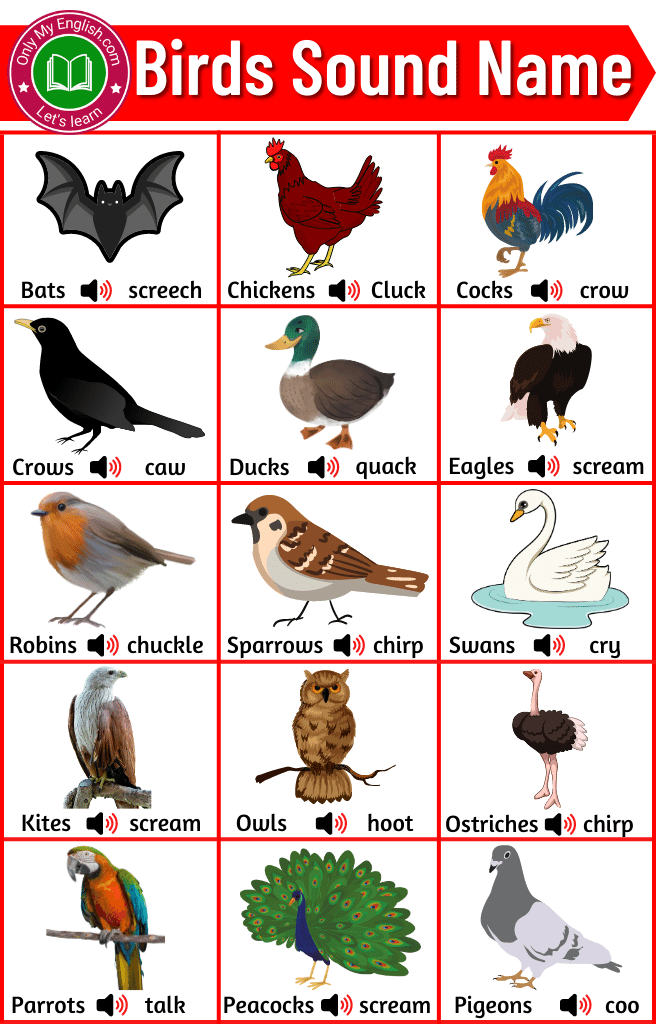
Across the United States, birds make many sounds, including songs, calls, whistles, chirps, rattles, clicks, and hoots. The exact sound depends on the bird species, its age, sex, location, and situation.
The simplest answer is that a bird may chirp, sing, tweet, whistle, squawk, caw, croak, hoot, or call. However, “bird sound” is a broad term. A songbird uses a song to attract a mate or defend its area, while a short call may warn of danger or help a parent find its young.

<figcaption style=”font-size:14px;color:#555;margin-top:8px;”>
Source: youtube.com
What Is the Sound a Bird Makes Called?
A bird sound is usually called a vocalization, bird call, or birdsong. These terms have different meanings.
- Birdsong: A longer, more complex sound. Birds often use songs to attract mates or mark territory.
- Bird call: A short sound used to share information, such as danger, food, or location.
- Chirp: A general word for a short, high sound. It is not the name of one exact bird sound.
- Tweet: An informal word for a short bird sound.
- Whistle: A clear tone made by some birds, such as a Northern cardinal.
- Hoot: A deep, rounded sound often linked with owls.
- Caw: A harsh call commonly linked with crows.
- Squawk: A loud, rough sound made by some parrots, herons, and other birds.
Scientists may use more exact terms, such as alarm call, contact call, begging call, or flight call. These terms describe what the sound does, not only what it sounds like.
For example, a chickadee’s “chick-a-dee-dee-dee” call can carry information about danger. A robin’s song may help defend its nesting area. The same bird may use a different sound when it is startled.

Common Bird Sounds and the Birds That Make Them
The table below gives common examples from birds found in the United States. These spellings are rough sound guides, not exact translations of bird language.
| Bird | Common sound description | What it may mean |
|---|---|---|
| American Robin | Cheer-up, cheerily, or warbling notes | Territory, mate attraction, or contact |
| Northern Cardinal | Clear whistles, often described as “cheer-cheer” | Territory and mate communication |
| Black-capped Chickadee | “Chick-a-dee-dee-dee” | Contact and danger information |
| American Crow | Harsh “caw” | Contact, warning, or group communication |
| Common Raven | Deep croak, gronk, or rough call | Contact and territory |
| Great Horned Owl | Deep hoots | Territory and mate communication |
| Barred Owl | “Who cooks for you?” style hoot | Territory and contact |
| Mourning Dove | Low, mournful coo | Courtship and contact |
| House Sparrow | Short chirps and cheeps | Contact and social activity |
| Mallard | Female’s loud quack; male’s softer call | Contact and group communication |
| Killdeer | Repeated, sharp “kill-deer” call | Contact, alarm, or territory |
| Eastern Phoebe | Repeated “fee-bee” notes | Territory and contact |
| Eastern Wood-Pewee | Repeated, plaintive whistle | Territory and mate communication |
| Common Yellowthroat | “Witchity-witchity-witch” | Territory and mate attraction |
| Belted Kingfisher | Fast, rattling call | Contact and territory |
| pileated Woodpecker | Loud, ringing calls and drumming | Contact and territory |
Bird sound descriptions vary because people hear and spell sounds in different ways. A bird in Arizona may also sound slightly different from the same species in Maine. Young birds may have simpler calls, while adults often produce more developed songs.
Why Do Birds Sing and Call?
Birds make sounds to survive, find one another, protect resources, and raise young. A sound’s meaning depends on the species and the setting.
Attracting a Mate
Many male songbirds sing during the breeding season. A strong song can show that a bird is healthy and can hold a territory. Some females also sing, though singing patterns differ by species.
Defending Territory
A song can tell other birds to stay away. This is common when a bird is nesting or feeding young. Two birds may answer one another from different trees.
Warning About Danger
Birds use alarm calls when they see a predator, such as a hawk, cat, snake, or raccoon. These calls may be short and sharp. Some birds change the call based on the type of threat.
Staying in Contact
A flock needs a way to stay together. Birds may give soft contact calls while feeding, flying, or moving through thick plants. Parent birds and young birds also use contact calls to find one another.
Asking for Food
Nestlings often make repeated begging sounds when an adult approaches. These calls can become loud when several young birds compete for food.
Finding a Mate or Parent
Birds that become separated may call back and forth. This is especially common in flocks, family groups, and birds that live in dense vegetation.
Not every bird sound comes from the throat. Woodpeckers drum on wood, snipe may create a humming sound with their wings, and some birds clap their wings or snap their bills.

How to Identify a Bird by Its Sound
You can often identify a bird by combining its sound with its location, habitat, time of day, and behavior. Do not rely on the sound alone.
1. Listen for the sound pattern
First, ask whether the sound is:
- A single note
- A repeated phrase
- A rising or falling whistle
- A fast rattle
- A deep hoot
- A harsh caw
- A series of clicks or chips
- A drum or wing sound
The rhythm can be more useful than the written spelling. For example, a bird may repeat the same phrase every few seconds, or it may sing a long stream of changing notes.
2. Note the pitch and tone
Pitch describes how high or low a sound is. Tone describes its quality.
A sound may be:
- Thin and high
- Low and hollow
- Clear and musical
- Harsh and scratchy
- Nasal
- Metallic
- Trilling
- Buzzing
A low hoot suggests a different group of birds than a thin, rapid trill. Still, pitch can change with distance, wind, and recording quality.
3. Look at the habitat
Habitat can narrow the choices.
- Wetlands may have ducks, herons, rails, marsh wrens, and red-winged blackbirds.
- Open fields may have meadowlarks, kestrels, killdeer, and grassland sparrows.
- Woodlands may have owls, warblers, woodpeckers, thrushes, and vireos.
- Backyards may have robins, cardinals, chickadees, jays, doves, and house sparrows.
4. Watch the bird’s behavior
A bird that is singing from a high branch may be defending territory. A bird making short calls while moving through a flock may be using contact calls.
Also watch for:
- Wing movement
- Tail position
- Head direction
- Repeated flight paths
- Pecking or drumming
- Whether other birds respond
5. Record the sound when possible
A phone recording can help you compare the sound later. Hold the phone still, reduce nearby noise, and record several repetitions. Do not play a bird sound repeatedly to force a response. Playback can stress birds and may draw them away from food, shelter, or young.
Tools such as the Cornell Lab of Ornithology’s Merlin Bird ID can help with sound identification in many North American settings. Automatic results are suggestions, not proof. Always compare the result with the bird’s appearance, range, habitat, and behavior.
Bird Calls Versus Bird Songs
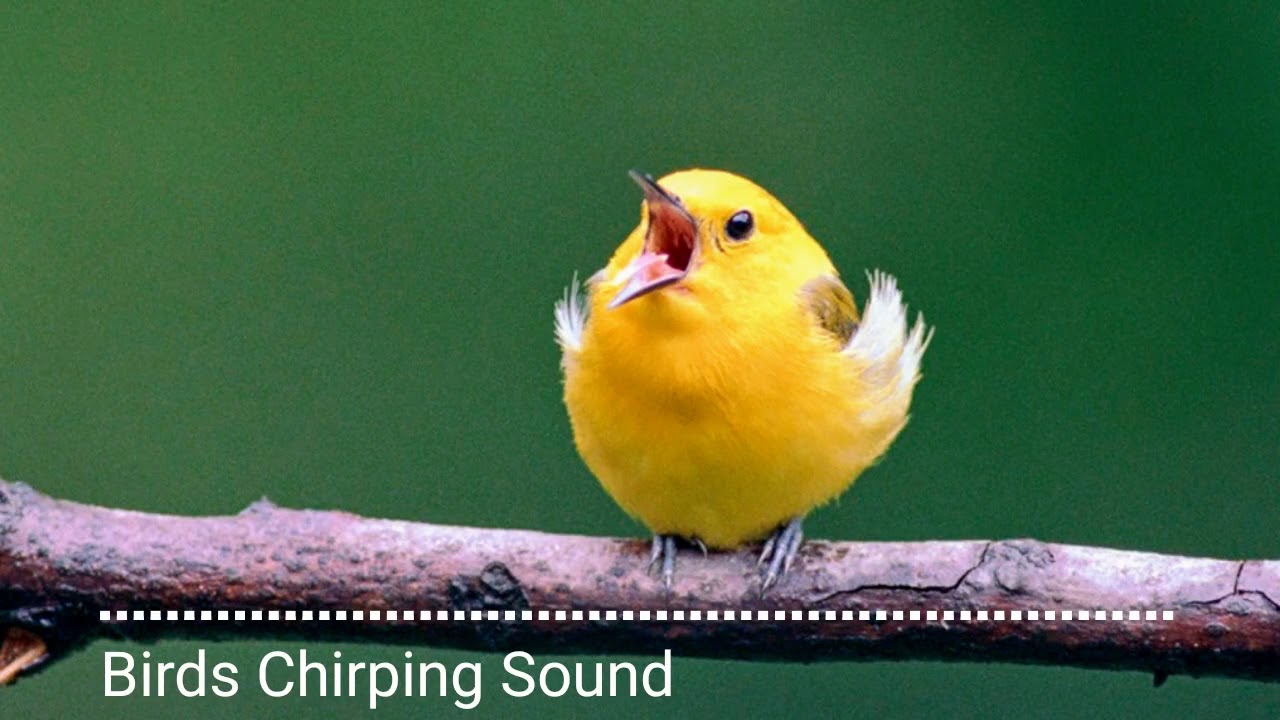
The main difference is that songs are often longer and more structured, while calls are usually shorter and serve immediate needs. This is a useful rule, but it is not absolute.
A song may last several seconds or longer and contain many notes. It is often linked to breeding or territory. A call may last less than a second and help birds stay together or react to danger.
Some birds do not fit this simple pattern. Their songs may be quiet or simple, and their calls may be complex. Ducks, geese, gulls, crows, parrots, and many other birds use a wide range of sounds.
A bird’s sound can also change with the season. In spring and early summer, many North American songbirds sing more often because they are breeding. In fall and winter, some birds rely more on short contact calls while traveling or feeding in groups.
Why Do Bird Sounds Differ Across the United States?
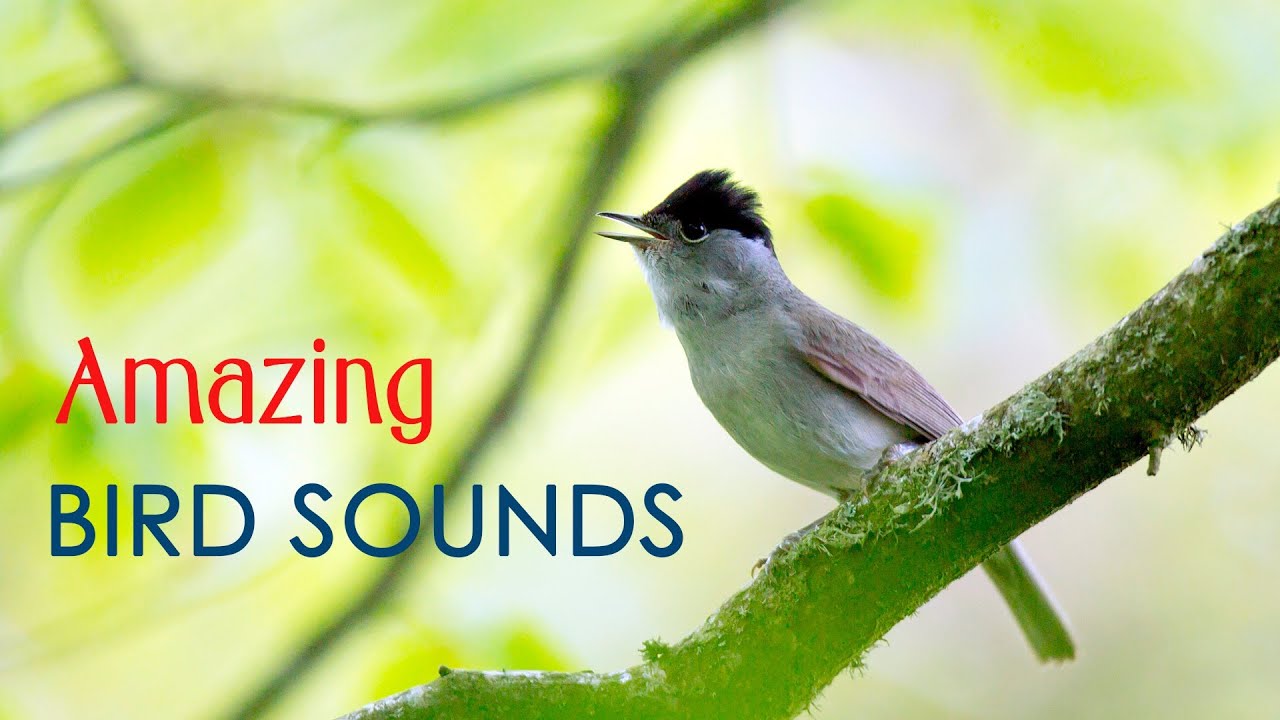
Bird sounds can differ by species, region, season, and individual bird. A bird’s song is not always identical across its full range.
Regional song differences
Some songbirds learn parts of their songs from nearby adults. This can create local “dialects.” The same species may use slightly different song patterns in different parts of the country.
Individual differences
Birds have different voices. Age, health, experience, and social setting can affect how a sound is produced.
Weather and surroundings
Wind, rain, buildings, and thick vegetation can change what you hear. A distant bird may sound lower, softer, or less clear than it does nearby.
Time of day
Many songbirds sing most strongly around dawn. Owls and other nocturnal birds are more active after dark. Some birds call throughout the day, especially when feeding or moving in groups.
Distance and human hearing
High notes may fade quickly with distance. Very soft calls may be hidden by traffic, air conditioners, or other human noise. Some bird sounds are also outside the hearing range of certain people, especially at very high frequencies.
Do All Birds Say “Chirp”?
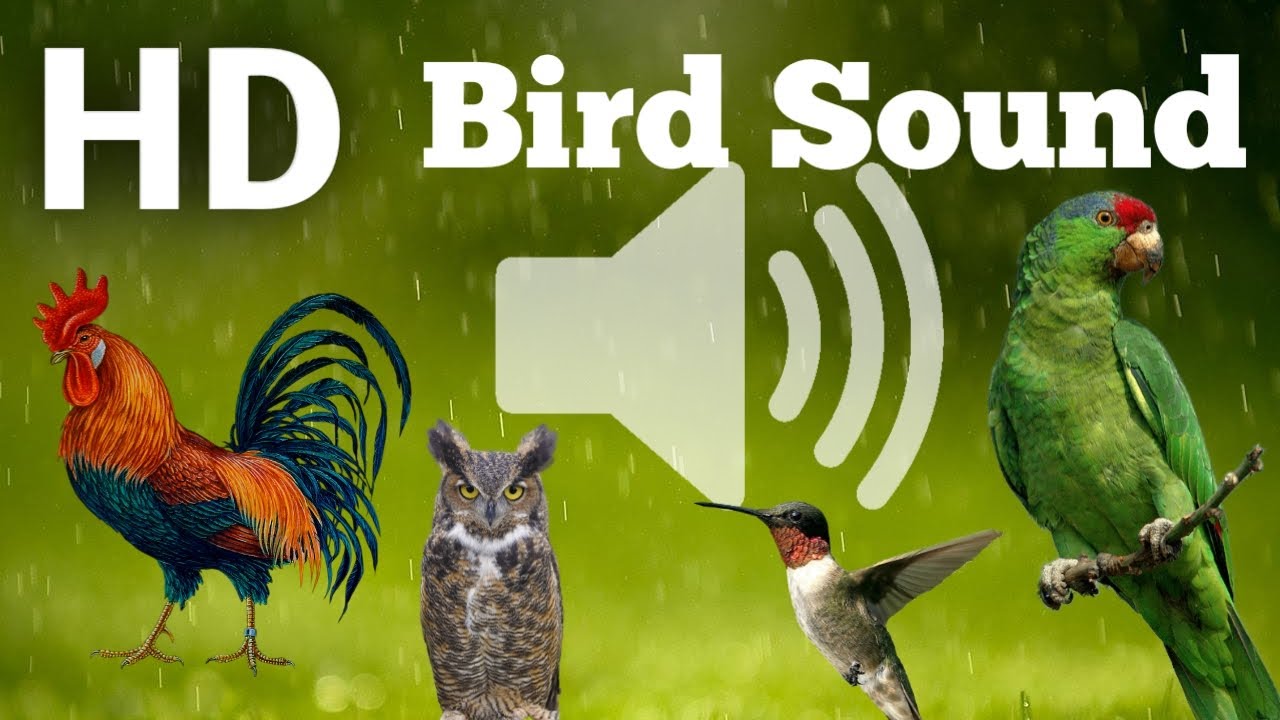
No. “Chirp” is a broad human description, not a sound made by every bird.
A bird may:
- Chirp
- Sing
- Whistle
- Hoot
- Coo
- Caw
- Squawk
- Rattle
- Trill
- Click
- Clack
- Croak
- Drum
- Scream
- Buzz
Even birds of the same species may make more than one type of sound. A Northern cardinal can give a clear whistle, a short chip, or a sharp alarm note. An American crow may caw in several patterns. A Great Horned Owl may hoot, bark, hiss, or snap its bill.
The word “tweet” is also informal. It can describe a short sound, but it does not identify a particular species or explain what the bird is communicating.

What Sound Does a Baby Bird Make?
Baby birds may cheep, peep, chirp, beg, squeal, or hiss. Their sounds often help parents locate them and deliver food.
Nestlings may make soft, repeated begging calls from inside a nest. Older young birds can make louder calls when they want food or when an adult approaches.
A baby bird on the ground is not always abandoned. Many young birds leave the nest before they can fly well. If the bird has feathers and can hop, its parents may still be nearby. Keep pets and children away, and watch from a distance.
If a young bird is visibly injured, cold, bleeding, or in immediate danger, contact a licensed wildlife rehabilitator. Do not give it food or water unless a trained rehabilitator tells you to do so.

Common Mistakes When Describing Bird Sounds
Bird sound names can help, but they can also create confusion.
Mistake 1: Treating a sound spelling as exact
“Cheer-up” and “who-cooks-for-you” are memory aids. They are not precise recordings. Use them to begin an identification, then compare the rhythm and pitch with a trusted field guide or recording.
Mistake 2: Ignoring location
Many bird species have overlapping sounds. A species that occurs in Florida may not be a realistic choice in Montana. Range and habitat matter.
Mistake 3: Assuming every owl hoots
Some owls hoot, but owls can also screech, whistle, bark, hiss, or produce clicking sounds. A high, eerie call is not automatically an owl.
Mistake 4: Confusing birds with insects or mammals
Crickets, frogs, squirrels, and bats can make sounds that resemble bird calls. Listen for the source and watch for movement before naming the animal.
Mistake 5: Using playback too often
Playing a recording can attract or upset a bird. Use it sparingly, if at all, and avoid playback near nests or during sensitive breeding periods.

Key Takeaways
- A bird sound may be called a song, call, chirp, whistle, hoot, caw, or another name.
- Birds use sounds to attract mates, defend territory, warn of danger, find family members, and stay in contact.
- “Chirp” is a general word, not one exact bird sound.
- The best way to identify a bird is to combine sound, habitat, appearance, behavior, location, and season.
- Written sound descriptions are useful memory aids but cannot replace a recording or careful observation.
- Protect birds by avoiding repeated playback and by contacting a wildlife rehabilitator for injured young birds.
Frequently Asked Questions
What is the most common bird sound?
There is no single most common bird sound. Short contact calls and chips are widespread because birds use them to stay in touch while feeding or moving. The sound you hear most often depends on the birds near you, the season, and your habitat.
What bird makes a “tweet” sound?
Many small birds can make sounds people describe as tweets. House sparrows, finches, chickadees, and other songbirds may produce short, high notes. “Tweet” does not identify one species.
What bird makes a sound like “who, who”?
Several owls make hoots that people describe as “who” sounds. Great Horned Owls and Barred Owls are common examples in the United States, but the rhythm, number of notes, and habitat can help separate them.
What bird sounds like it is laughing?
Several birds may sound as if they are laughing, depending on the listener. The Northern Flicker can make a rapid, ringing call, while some woodpeckers and owls produce unusual notes that may seem laugh-like. A recording and location are needed for a reliable identification.
How can I find out what bird I hear?
Record the sound, note the time and habitat, and look for the bird. Then compare the recording with a regional field guide or a reputable bird identification tool. Check whether the suggested species lives in your area and matches the bird’s behavior.
Conclusion
Birds do not make one universal sound. They sing, call, chirp, whistle, hoot, caw, rattle, drum, and use many other sounds. Each sound can carry a different message, from “stay away” to “follow me” or “I need food.”
When you hear a bird, listen for its pattern, pitch, rhythm, and setting. In the United States, local habitat guides and trusted tools such as Cornell Lab resources can help turn a vague chirp into a careful species identification.