
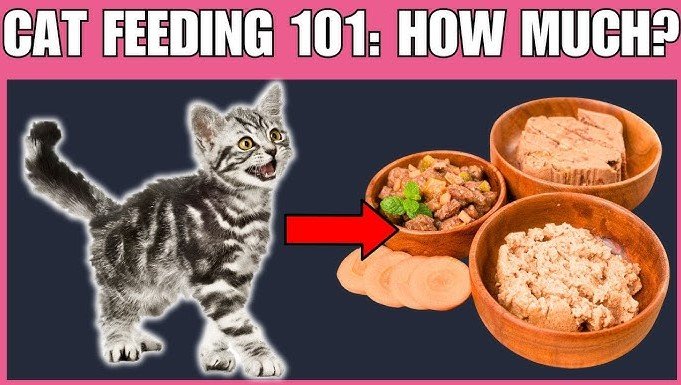
Feeding a 12 pound cat requires a balance of calorie intake and activity level to maintain a healthy weight. Most adult cats of this size need roughly 200 to 240 calories per day, but you should always consult your vet to ensure the plan fits your cat’s unique metabolism.
If you share your home with a 12 pound cat, you might find yourself staring at the back of a bag of kibble, wondering exactly how much to pour into that bowl. It is a common question, and honestly, there is no single “right” answer for every cat. While 12 pounds is a common weight for many domestic shorthairs, the way your cat carries that weight—and how they burn it off—makes all the difference.
In 2026, we have access to better nutritional information than ever before, yet many owners still struggle with portion control. Balancing nutrition is the best gift you can give your pet. It helps them live a long, happy life by preventing issues like diabetes or joint stress. Let us dive into the details of feeding your 12 pound companion properly.
Key Takeaways
- Caloric Baseline: A 12 pound cat typically needs between 200 and 240 calories daily, depending on their activity level.
- Activity Matters: Indoor-only cats often require fewer calories than active outdoor cats to avoid weight gain.
- Read the Label: Always check the kilocalories (kcal) per cup or can on your cat food packaging, as recipes vary significantly.
- Monitor Body Condition: Use the “hands-on” test to feel your cat’s ribs; you should feel them easily without pressing hard.
- Consistent Feeding: Splitting the total daily amount into two or three smaller meals prevents begging and improves digestion.
- Consult Your Vet: Always talk to a veterinarian before changing your cat’s diet, especially if they have health conditions.
Understanding Caloric Needs
The most important thing to understand is that your cat does not eat by volume; they eat by energy. Every cat has a resting energy requirement (RER), which is the energy burned just by existing, breathing, and sleeping. For an average 12 pound cat, this base amount is usually around 200 to 240 calories per day.
The Math Behind the Meal
To figure out how much to feed a 12 pound cat, you first need to look at the food container. Every label provides the caloric density, usually listed as “kcal per cup” for dry food or “kcal per can” for wet food. If your cat needs 220 calories a day and your dry food has 400 calories per cup, you are looking at a little over half a cup of food for the entire day.
Activity Levels Change Everything
Does your cat spend all day napping in a sunbeam, or are they constantly chasing toy mice? An active cat might burn through 250 calories without a problem, while a senior cat who prefers the couch might start gaining weight at that same intake. Watch your cat’s energy and adjust accordingly. If they seem sluggish or start looking a bit round around the middle, it is time to trim their daily portion.
Choosing the Right Type of Food
When you are deciding on a diet, you have two main choices: dry, wet, or a mix of both. Each has its pros and cons when you are figuring out how much to feed a 12 pound cat. Wet food is often recommended because it provides extra hydration, which is vital for kidney health, but dry food is often easier to measure and store.
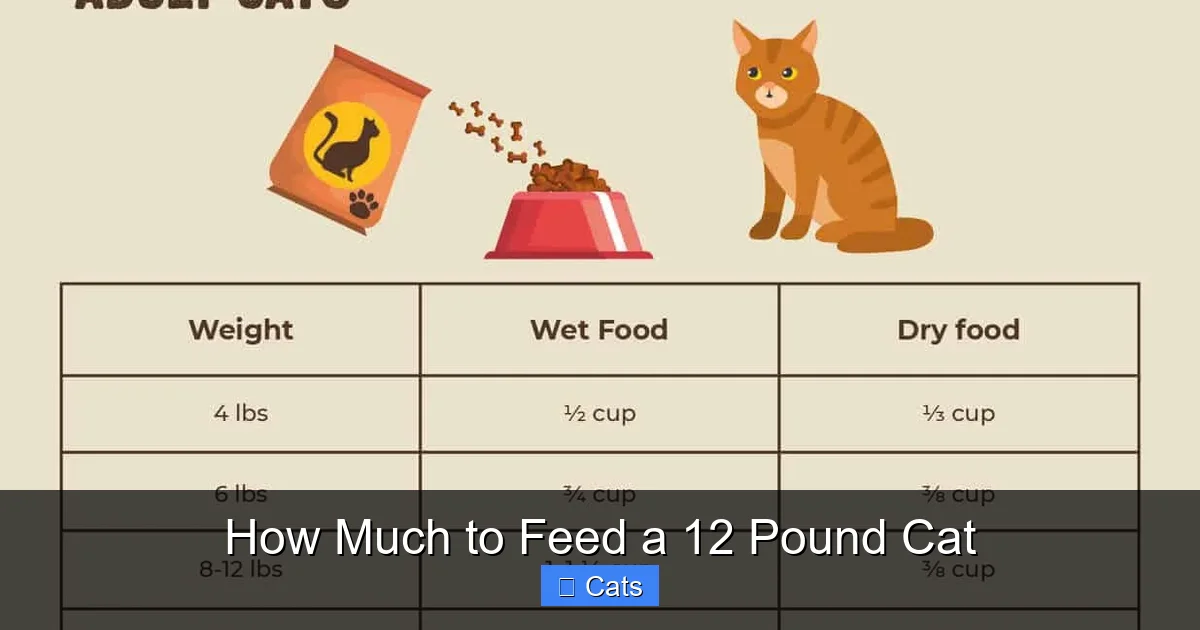
Visual guide about How Much to Feed a 12 Pound Cat
Image source: rawznaturalpetfood.com
The Benefits of Wet Food
Wet food usually has lower caloric density than dry food. This means you can give your cat a larger volume of food, which can be very satisfying for a hungry feline. If your 12 pound cat is a “big eater,” switching to wet food can help them feel full while keeping their weight in check. Just ensure you calculate the calories for the whole can, as some premium cans are very calorie-dense.
Dry Food and Portion Control
Dry food is convenient, but it is easy to accidentally overfeed. Because it is so energy-dense, just a few extra “nuggets” can push your cat over their daily limit. If you use dry food, I highly recommend using a kitchen scale rather than a measuring cup. A scoop can be imprecise, whereas a scale gives you the exact gram measurement every time.
Establishing a Feeding Schedule
Cats are creatures of habit. They love routine, and their digestion often functions better when they eat at the same time each day. Instead of leaving a giant pile of food out all day—which often leads to “grazing” and eventual obesity—consider moving to a scheduled feeding plan.
Why Two Meals are Better Than One
Dividing the daily 200-240 calorie allotment into two meals (morning and night) is ideal for most 12 pound cats. It keeps their blood sugar steady and gives them something to look forward to. If you are away during the day, automatic feeders are a game-changer. They can dispense a measured portion at a specific time, ensuring your cat doesn’t eat their entire daily ration at 6:00 AM.
Managing the “Begging” Phase
When you first reduce portions, your cat might act like they are starving. They will meow, follow you into the kitchen, and look at you with those big, sad eyes. Stay strong! It usually takes about two weeks for a cat to adjust to a new schedule. Providing extra mental stimulation, like puzzle feeders or training, can distract them from the empty bowl.
Tracking Body Condition
You shouldn’t rely solely on the scale. A 12 pound cat might be perfectly healthy, or they might be slightly overweight depending on their frame. Some cats have large frames and should weigh 13 or 14 pounds, while others are petite and should weigh 10 pounds. Your 12 pounder might be right in the middle.
The Rib Test
The best way to know if your cat is at a healthy weight is the rib test. Gently run your hands over your cat’s ribcage. You should be able to feel their ribs under a very thin layer of muscle and skin. If you have to push hard to find them, your cat is likely carrying extra fat. If the ribs are sharp and sticking out, they might need a few more calories.
Regular Vet Weigh-ins
In 2026, most veterinary offices offer “nurse appointments” where you can simply stop by to use their scale. Tracking your cat’s weight once a month is a great habit. If you see their weight trending upward, you can cut their calories by 5-10% before it becomes a real health issue.
Treats and Hidden Calories
Treats are the silent diet killers. We all love to spoil our cats, but those little salmon bites add up quickly. As a general rule, treats should never make up more than 10% of your cat’s daily calorie intake. If your cat gets a 20-calorie treat, you need to subtract that from their meal portion.
Healthy Alternatives
If your cat loves snacks, try using pieces of their regular kibble as treats during play. If they enjoy veggies, a tiny piece of steamed green bean can sometimes be a fun, crunchy, low-calorie snack. Always avoid human table scraps, as many ingredients like onions or garlic are toxic to cats.
Training for Treats
Use treats as a reward for activity, not just for “existing.” If you play with your cat for ten minutes with a wand toy, a small treat at the end is a great reward. This keeps the bond strong while ensuring the extra calories are being earned through physical exercise.
Conclusion
Feeding your 12 pound cat is an ongoing process of observation and adjustment. By focusing on calories rather than just the volume of food, setting a consistent schedule, and keeping a close eye on their physical condition, you are setting your cat up for success. Remember that every cat is an individual with unique needs.
If you ever feel unsure, your veterinarian is your best partner. They can provide a personalized caloric goal and help you navigate any sudden changes in your cat’s appetite. Keep loving your feline friend, keep those portions measured, and enjoy the many years of purrs and head-butts to come.
Frequently Asked Questions
Is 12 pounds considered overweight for a cat?
It depends entirely on your cat’s breed and frame size. Some large-breed cats are perfectly healthy at 12 pounds, while smaller cats may be considered obese at that weight.
Can I leave food out for my cat all day?
Free-feeding often leads to weight gain and makes it difficult to track exactly how much your cat is eating. It is much healthier to feed scheduled meals to ensure they stay at an ideal weight.
Should I switch my cat to “light” food if they seem heavy?
You can, but it is often better to simply measure out a smaller portion of their regular food first. Always talk to your vet before making a diet switch to ensure they get the right nutrients.
Why is my 12 pound cat still hungry after eating?
It could be boredom, or the food might not be satisfying their nutritional needs. Try using puzzle feeders to make mealtime last longer and provide more mental engagement.
How often should I weigh my cat?
Weighing your cat once a month is a great way to catch any unexpected changes early. Use a baby scale or simply step on a human scale while holding your cat, then subtract your own weight.
Does age affect how much I should feed my cat?
Yes, senior cats generally have a slower metabolism and may require fewer calories than young, active adults. Always adjust your feeding plan as your cat transitions through different life stages.