
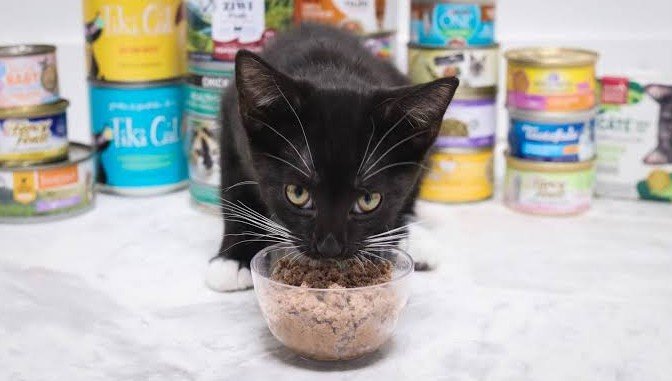
At six months old, your kitten is in a vital growth stage requiring high-calorie, nutrient-dense food to support their developing muscles and bones. Consistent feeding schedules and portion control are essential to ensure your cat maintains a healthy weight while meeting their high energy demands.
Bringing a kitten into your home is one of the most exciting journeys you can embark on. By the time they reach the six-month mark, you might notice they are looking much more like a “teenager” than a tiny ball of fluff. It is a transition period where their metabolism is firing on all cylinders, and their bodies are working hard to build strong bones and lean muscle.
You might find yourself asking, how much should you feed a 6 month old cat? It is a common question, and getting the answer right now sets the foundation for a healthy life. In 2026, we have access to incredible nutritional science, but the basics of feline care remain constant.
At six months, your cat is no longer a tiny baby, but they aren’t quite an adult either. This “middle school” phase is critical because your cat is reaching a stage where their growth will soon start to level off. Feeding them correctly during these few months prevents childhood obesity and ensures they develop the stamina they need for their active feline lives.
Key Takeaways
- Growth Stage Needs: Six-month-old cats still require kitten-specific formulas because they have higher protein and fat requirements than adult cats.
- Feeding Frequency: Most kittens at this age thrive on two to three meals per day to maintain stable energy levels and digestion.
- Consult the Label: Always check the feeding guidelines on the back of the package, but adjust them based on your individual cat’s activity level.
- Monitor Body Condition: You should be able to feel, but not see, their ribs. If they are gaining weight too fast, adjust portion sizes slightly.
- Fresh Water Matters: Always provide clean, fresh water, as hydration is just as important as calories for growing kittens.
The Nutritional Needs of a Six-Month-Old Kitten
When you look at a bag of cat food, you might be tempted to switch to adult formulas, but hold off for a little longer. Kittens need specific nutrients that adult food simply doesn’t provide in high enough concentrations. A six-month-old cat still requires higher levels of protein, amino acids, and minerals to finish their rapid development phase.
Why Kitten Formulas Are Still Best
Kitten food is specifically formulated with high-quality protein to support muscle growth. At six months, your cat is likely zooming around your house, jumping onto furniture, and practicing their hunting skills. This behavior burns a lot of calories. Kitten food is also rich in DHA, an omega-3 fatty acid that supports brain and eye development. Switching too early can leave your cat lacking the essential building blocks they need.
Protein and Fat Balance
The diet of a kitten at this age should be rich in animal-based proteins. Unlike dogs, cats are obligate carnivores, which means they must get their nutrition from meat. When choosing food, look for high-quality animal proteins listed as the first ingredient. Fat is also crucial at this stage. It provides the concentrated energy your six-month-old needs to power their afternoon play sessions.
Establishing a Feeding Schedule
Consistency is your best friend when raising a cat. If you are still wondering how much should you feed a 6 month old cat, the “how often” is just as important as the “how much.” By six months of age, most cats can move from the three or four small meals they had as very young kittens to a more predictable schedule.
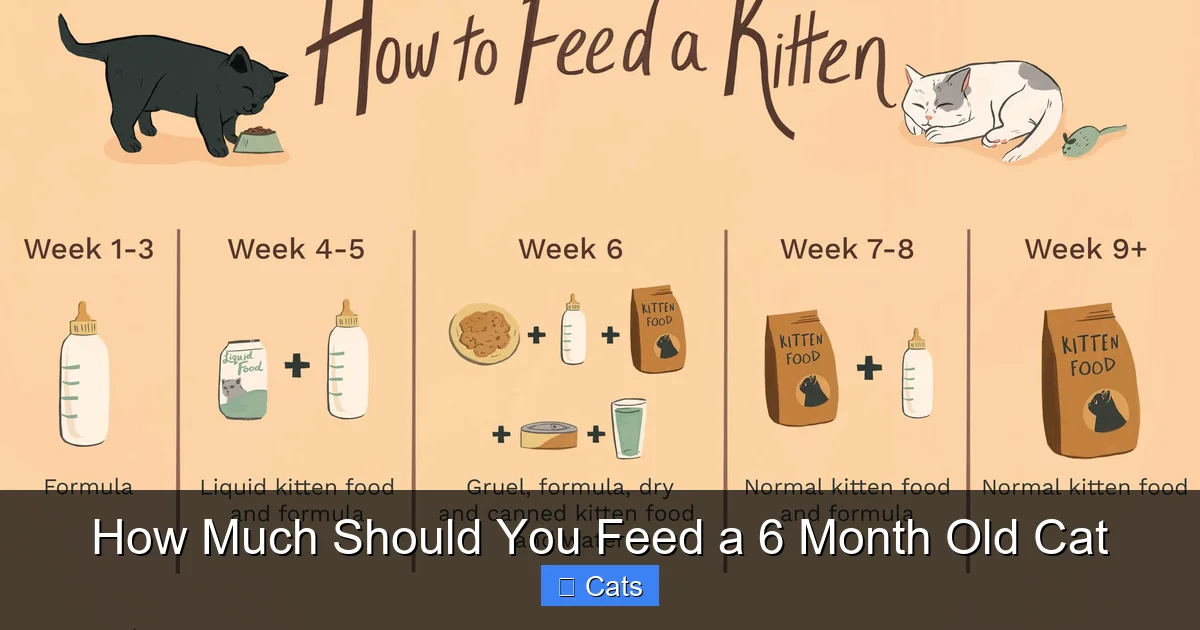
Visual guide about How Much Should You Feed a 6 Month Old Cat
Image source: thesprucepets.com
The Two to Three Meal Rule
Feeding your kitten two or three times a day is generally recommended. This keeps their blood sugar stable and prevents them from getting “hangry.” If you have a busy work schedule, a twice-a-day feeding routine once in the morning and once in the evening works perfectly for most cats. If you are home more often, a three-meal routine can keep their digestive system moving smoothly.
Free Feeding vs. Scheduled Meals
Many experts discourage “free feeding,” which is leaving a bowl of kibble out 24/7. While it is convenient, it makes it nearly impossible to track how much your kitten is actually eating. If you have multiple pets, free feeding can lead to one cat stealing all the food while the other goes hungry. Scheduled meals help you monitor your cat’s appetite, which is often the first sign that they might be feeling under the weather.
Determining Portion Sizes
There is no single “magic number” for every cat. A large Maine Coon mix at six months will require significantly more calories than a petite Siamese cross. However, you can use guidelines to get started. Most high-quality kitten foods will have a chart on the side of the bag based on weight and age.
Using the Package Guidelines as a Baseline
The feeding chart on your cat’s food package is designed by nutritionists. Start there. If the label suggests feeding one cup per day for a six-pound kitten, divide that cup into the number of meals you plan to serve. For example, two half-cup portions.
Adjusting Based on Activity
Watch your kitten closely. Are they running around for hours, or do they prefer to nap on the windowsill? A very active kitten might need a little extra food, while a more sedentary one might need a slightly smaller portion. If you notice your kitten is leaving food in the bowl consistently, they are likely satisfied, and you can reduce the amount slightly at the next meal.
The Importance of Hydration and Wet Food
Feeding isn’t just about dry kibble. In 2026, the trend in feline nutrition heavily favors incorporating wet food into your cat’s diet. Cats have a very low thirst drive; in the wild, they get most of their water from their prey. Domestic cats often don’t drink enough water from a bowl, which can lead to long-term kidney issues.
The Benefits of Wet Food
Wet food provides essential moisture. By giving your six-month-old a mix of wet and dry food, you ensure they are getting enough hydration. Wet food is also often higher in protein and lower in carbohydrates compared to dry food. This helps keep your cat at a healthy weight and supports better urinary tract health.
Creating a Feeding Routine
A great tip for a six-month-old cat is to use wet food as their main meal and keep dry kibble to a minimum or use it as a crunchy snack. This mimics their natural eating habits. If you use a slow-feeder bowl, you can also turn mealtime into a mental workout, which helps satisfy their predatory instincts.
Monitoring Your Cat’s Body Condition
Rather than obsessing over the exact number of grams, focus on your cat’s body condition. This is the ultimate test to see if you are feeding the right amount. As a cat owner, you should become comfortable with a “hands-on” evaluation of your cat’s weight.
The Rib Test
When you pet your cat, you should be able to feel their ribs under a thin layer of muscle. If you have to press hard to find the ribs, your kitten is likely overweight. If you can see the ribs clearly, they may be underweight. At six months, cats go through a “lanky” phase, so don’t be alarmed if they look a bit like a growing teenager—all legs and ears!
Regular Vet Check-ups
During the six-month mark, many kittens are brought in for their spay or neuter surgeries. Use these visits to ask your vet for a weight check. Vets have a body condition score chart that can help you visualize where your cat falls. They can give you a personalized recommendation based on your cat’s specific growth rate.
Avoiding Common Feeding Mistakes
Even with the best intentions, it is easy to make mistakes. One of the biggest traps is overfeeding due to “the cute factor.” Those big eyes can be very persuasive, but giving in to every request for treats can lead to rapid weight gain.
The Truth About Treats
Treats should make up no more than 10% of your cat’s daily calorie intake. When you use treats for training or bonding, make sure to subtract those calories from their main meal portions. It is easy to lose track, but keeping a mental note of how many treats they have had throughout the day is a good habit.
Human Food Dangers
It is tempting to share your dinner, but many human foods are toxic to cats. Onions, garlic, grapes, and chocolate can be fatal. Stick to high-quality cat-specific food to ensure your six-month-old gets everything they need without the risk of an emergency vet visit. If you want to offer something special, talk to your vet about safe options like plain, cooked chicken. Raising a cat is a long-term commitment, and the six-month mark is a fantastic time to refine your routine.
By focusing on high-quality kitten food, keeping a consistent schedule, and monitoring your kitten’s body condition, you are setting them up for a vibrant, healthy, and happy adulthood. Remember, every cat is unique, so observe your feline friend and adjust as needed. You are doing a great job, and your cat will surely thank you with plenty of purrs and playtime!
Frequently Asked Questions
Should I switch to adult cat food at 6 months?
No, most veterinarians recommend keeping your kitten on a high-quality kitten-specific formula until they are at least 10 to 12 months old. They still require the extra protein and fat to finish their physical development.
What if my 6-month-old kitten won’t stop meowing for more food?
Kittens at this age are very active and often experience growth spurts that increase their appetite. If they are acting hungry, ensure you are feeding them enough based on the guidelines, but avoid feeding them every time they meow, as this encourages begging habits.
How can I tell if my cat is gaining too much weight?
Use the “rib test” by gently feeling your cat’s sides; you should feel the ribs with minimal pressure. If you feel a thick layer of fat or if your cat develops a sagging belly, you may need to reduce their portion sizes slightly.
Is it okay to feed my kitten only dry food?
While you can feed a kitten dry food, it is highly recommended to include some wet food in their diet. Wet food provides necessary hydration that helps prevent long-term kidney and urinary health problems.
How many meals per day should a 6-month-old cat have?
At six months old, most kittens do best with two to three scheduled meals per day. This consistency helps them maintain stable energy levels and makes it easier for you to track how much they are eating.
Should I use a calorie counter for my kitten?
While you don’t need to count every single calorie, being aware of the caloric density of your chosen food is helpful. If you are concerned about weight, your vet can provide a specific calorie goal based on your cat’s current weight and growth velocity.