
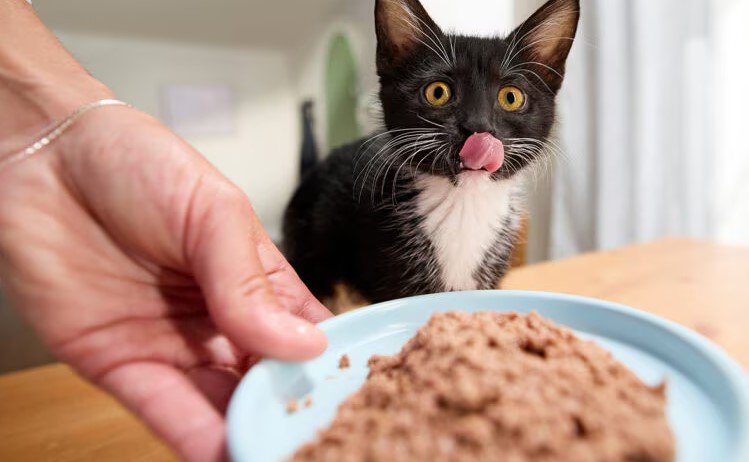
At seven months old, your kitten is in a vital growth stage, requiring calorie-dense food to support their developing body. You should aim for two to three meals per day using high-quality kitten-specific formulas to ensure they get the right balance of proteins and nutrients.
Congratulations on reaching the seven-month mark with your feline companion! If you have been asking yourself, “how much should I feed my 7 month old cat,” you are certainly not alone. This is a unique time in your pet’s life. They are no longer a tiny, clumsy kitten, but they haven’t quite reached the steady metabolism of an adult cat. They are essentially the “teenagers” of the cat world—full of energy, rapidly growing, and often quite hungry.
Feeding your cat correctly during this specific window is the foundation for their long-term health. When you consider how much should I feed my 7 month old cat, you are really thinking about their future health. Giving them the right amount of fuel ensures they develop strong muscles, healthy joints, and a shiny coat. Let’s dive into everything you need to know about navigating this transition period with confidence.
Key Takeaways
- Nutritional Needs: Seven-month-old cats still require “kitten” formulas, which are higher in calories and essential nutrients compared to adult food.
- Portion Control: Monitor your cat’s body condition rather than relying strictly on the bag’s guidelines, as activity levels vary greatly.
- Feeding Schedule: Switching to two or three scheduled meals helps prevent obesity and allows you to track appetite changes easily.
- Hydration Matters: Incorporate wet food into your cat’s diet to provide essential moisture, supporting kidney health as they approach adulthood.
- Treats in Moderation: Treats should account for no more than 10% of your cat’s daily caloric intake to prevent nutritional imbalances.
- Growth Milestones: By seven months, your cat is nearing their adult size, but they are not fully mature; avoid switching to adult food until advised by your vet.
The Physiology of a 7-Month-Old Cat
At seven months, your cat is experiencing a growth spurt that is slowing down compared to when they were a tiny kitten, but it has not stopped. Their bones are hardening, and they are packing on lean muscle mass. This means they still need more energy than an adult cat, but they are becoming prone to weight gain if their calories are not managed carefully.
Why Kitten Food Still Matters
Many owners wonder if they can switch to adult cat food early. Generally, the answer is no. Kitten food is specifically formulated to be calorie-dense and rich in specific amino acids, like taurine, and minerals like calcium. These are essential for the final stages of skeletal growth. Even if your cat looks large, their internal development still requires the “premium” nutrients found in kitten-specific recipes.
Recognizing the Adolescent Phase
You might notice your cat becoming more active or, conversely, starting to sleep a little more as they conserve energy for growth. This is completely normal. By seven months, their digestive system is fully capable of handling standard feeding routines. If you have been free-feeding (leaving food out all day), now is the perfect time to start transitioning to a more structured meal schedule.
Determining the Right Amount of Food
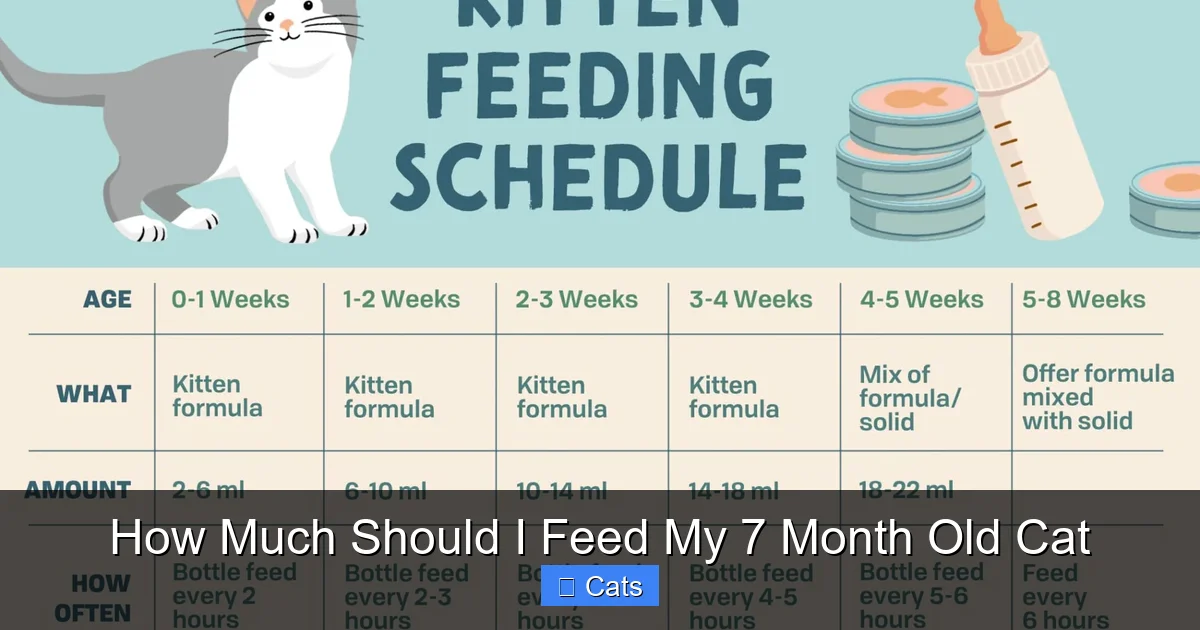
The question of how much should I feed my 7 month old cat does not have a single “one size fits all” answer. It depends heavily on the breed, the activity level, and the specific brand of food you are using. Every cat processes energy differently, so it is important to observe your individual cat.
Visual guide about How Much Should I Feed My 7 Month Old Cat
Image source: i.pinimg.com
Reading the Back of the Bag
Most commercial cat foods include a feeding chart on the packaging. Use this as your starting point, not the final word. If the bag suggests half a cup per day, start there. However, watch your cat closely. If they seem to be gaining weight too quickly, or if they are leaving food in their bowl consistently, you may need to adjust the amount downward. Conversely, if they are constantly meowing for more, they might need a slight increase.
The “Body Condition Score” Method
The best way to determine if you are feeding enough is to check your cat’s ribs. You should be able to feel their ribs under a thin layer of fat without having to press hard. If you can see the ribs clearly, they are likely underweight. If you have to push through a thick layer of fat to feel anything, they are likely overweight. Adjust your feeding portions accordingly based on these physical cues.
Structuring a Healthy Feeding Schedule
Consistency is key to a happy cat. At seven months old, your cat is perfectly capable of adapting to a schedule. Abandoning free-feeding in favor of scheduled meals is one of the best things you can do for their long-term health.
Two to Three Meals Per Day
Aiming for two to three meals per day is the gold standard for a seven-month-old cat. This helps regulate their metabolism and makes it easier for you to notice if their appetite changes – which is often the first sign of an underlying health issue. If your cat stops eating or eats significantly less, you will know immediately because you are monitoring their meal times.
The Benefits of Wet and Dry Combinations
Mixing wet and dry food is a great way to ensure hydration. Dry food is convenient, but wet food provides much-needed moisture. Many veterinarians recommend a “combo” diet. You can provide a small portion of wet food in the morning and a portion of dry food in the evening. This balance keeps your cat interested in their food and supports their urinary tract health.
Nutritional Essentials for Growth
When you ask yourself how much should I feed my 7 month old cat, remember that quality is just as important as quantity. Not all calories are created equal. A diet filled with “filler” ingredients will leave your cat hungry and may lead to nutritional deficiencies.
Protein is the Foundation
Cats are obligate carnivores. This means they need protein derived from animal sources to thrive. Look for labels where the first ingredient is a named protein, such as chicken, turkey, or salmon. Avoid foods that lead with grain or soy fillers, as these do not provide the amino acids your growing cat needs for optimal development.
The Role of Taurine and Fats
Taurine is an essential amino acid that supports heart and eye health. In high-quality cat foods, this is naturally included. Furthermore, healthy fats like Omega-3 and Omega-6 fatty acids are crucial during this growth phase. They contribute to a healthy coat and skin, which is a great indicator of your cat’s overall nutritional status.
Common Challenges and Solutions
Even with the best intentions, feeding a 7-month-old cat can present challenges. Perhaps your cat is a picky eater, or maybe they are always begging for extra food. Understanding these behaviors helps you manage their diet better.
Managing the “Begging” Cat
If your seven-month-old cat follows you to the kitchen every time you open the fridge, don’t automatically assume they are starving. Cats are experts at behavioral begging. If your cat is at a healthy weight, resist the urge to add extra food just because they look sad. Instead, offer them extra playtime or affection. If you truly feel they are hungry, try using a puzzle feeder, which makes their meal last longer and provides mental stimulation.
Handling Picky Eaters
If your cat is turning their nose up at their kitten food, check if it has been sitting out too long. Cats have a keen sense of smell and often dislike food that has lost its freshness. If you are using wet food, try warming it slightly or adding a tiny bit of warm water to enhance the aroma. If the problem persists, consult your vet to ensure there isn’t a dental or digestive issue.
Preparing for the Adult Transition
Seven months is a transitional phase. You are not quite at the finish line, but you are getting closer. By knowing how much should I feed my 7 month old cat, you are preparing them for a smooth transition to adult maintenance food, usually around the 10 to 12-month mark.
Gradual Transitions
When the time eventually comes to switch to adult food, remember that cats hate sudden changes. Always mix the new food with the old food over a period of seven to ten days. Start with 25% new food, slowly increasing it until they are eating 100% adult formula. This prevents stomach upset and makes the change easier for your cat to accept.
The Final Check-Up
If you have any doubts about your cat’s weight or growth, your local veterinarian is your best resource. During a routine check-up, they can weigh your cat and confirm if your current feeding strategy is working. They can also offer specific advice based on your cat’s breed, as some breeds, like Maine Coons, continue to grow and require kitten-style calories for much longer than the average house cat.
In conclusion, managing your cat’s diet at seven months is all about balance. Focus on high-quality kitten food, establish a consistent feeding schedule, and keep an eye on their physical body condition rather than just the numbers on the bag.
Your cat relies on you to make these decisions for their health, and by staying informed, you are giving them the best start possible as they journey toward adulthood. Enjoy these playful months, and keep that bowl balanced with the right nutrition!
Frequently Asked Questions
How many times a day should a 7 month old cat eat?
You should aim to feed your 7-month-old cat two to three meals per day. This scheduled approach helps regulate their metabolism and allows you to monitor their appetite closely.
Can I switch my 7 month old cat to adult food now?
It is generally recommended to wait until your cat is 10 to 12 months old before switching to adult food. Kitten formulas are specifically designed to provide the extra calories and nutrients needed for their ongoing growth and development.
How do I know if I am feeding my cat the right amount?
Use the “body condition score” method by feeling your cat’s ribs; you should be able to feel them easily under a thin layer of fat. If your cat is leaving food in the bowl or gaining weight too quickly, adjust the portion size downward slightly.
Is it okay to free-feed my cat?
Free-feeding can lead to overeating and obesity as your cat reaches adulthood. Moving to scheduled meals is much better for long-term weight management and helps you track their health more effectively.
What if my cat is always begging for more food?
Cats are often behavioral eaters, so check their body condition before giving in. If they are at a healthy weight, try offering puzzle feeders or extra playtime instead of more food to curb their hunger.
Should I prioritize wet food or dry food?
Many veterinarians suggest a combination of both to provide convenience and necessary hydration. Wet food is excellent for supporting kidney health, while dry food can be helpful for dental health and convenience.