
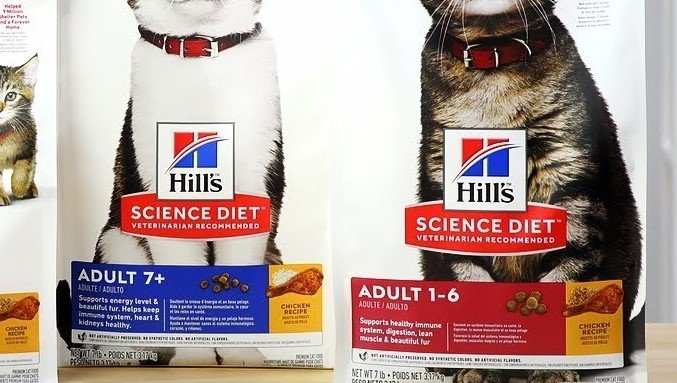
Mastering your pet’s nutrition is simple with this Hills Science Diet cat food feeding guide. We cover everything from kitten growth to senior wellness to ensure your cat thrives with the perfect portion size for their specific lifestyle.
Bringing a feline friend into your home is one of the greatest joys of life. As we head into 2026, we have more knowledge than ever about feline nutrition. One of the most trusted names in the industry is Hill’s Science Diet. However, even the best food in the world won’t work well if you are not feeding the right amount. That is why a reliable Hills Science Diet cat food feeding guide is your best tool for long-term health.
Many cat owners treat feeding as a “fill the bowl” task, but it is actually a precise science. If you feed your cat too much, you risk obesity. If you feed them too little, they may miss out on vital nutrients. This guide will walk you through how to use your Hills Science Diet cat food feeding guide effectively, helping you keep your cat purring and healthy for years to come.
Key Takeaways
- Age Matters: Kittens, adults, and seniors have vastly different metabolic needs that require specific formulas.
- Weight Management: Monitoring your cat’s body condition score is more accurate than just using the bag guidelines alone.
- Consistency is King: Using a kitchen scale is the most accurate way to follow a Hills Science Diet cat food feeding guide for long-term health.
- Hydration Counts: Always ensure fresh water is available, especially if you are transitioning your cat to dry kibble.
- Consult Your Vet: Every cat is unique; use these guidelines as a starting point and adjust based on your veterinarian’s advice.
- Gradual Transitions: Always mix new food with old food over a week to prevent tummy upsets.
Understanding the Basics of Feline Nutrition
Before we dive into the specific charts, we need to talk about why Hill’s Science Diet is different. They focus on biology-based nutrition. This means their formulas are designed to work with your cat’s specific life stage. Your cat’s body changes significantly from the time they are a playful kitten to their golden years as a calm senior. Understanding these shifts is the first step in using your Hills Science Diet cat food feeding guide.
The Importance of Life Stages
Cats have different calorie requirements depending on their age. A growing kitten is essentially a little furnace, burning energy rapidly to build bones and muscles. They need a higher caloric density. In contrast, an adult cat is in a maintenance phase. They need steady, balanced energy to stay lean and active. As cats reach their senior years, their metabolism slows down, and they may need specialized formulas to support kidney and joint health.
Reading the Label Correctly
Every bag of Hill’s Science Diet comes with a chart, but it can be confusing. The numbers on the back represent a range. Why a range? Because every cat has a different activity level. A barn cat that runs all day needs more food than a house cat that spends eighteen hours napping on the sofa. Your Hills Science Diet cat food feeding guide serves as a starting point. Think of it as a recommendation, not a law.
How to Calculate Portions for Your Cat
Now that we understand the philosophy, let’s get practical. How do you actually measure the food? Many of us use a standard plastic scoop, but those are often imprecise. If you want to be a pro at following your Hills Science Diet cat food feeding guide, it is time to invest in a small digital kitchen scale.
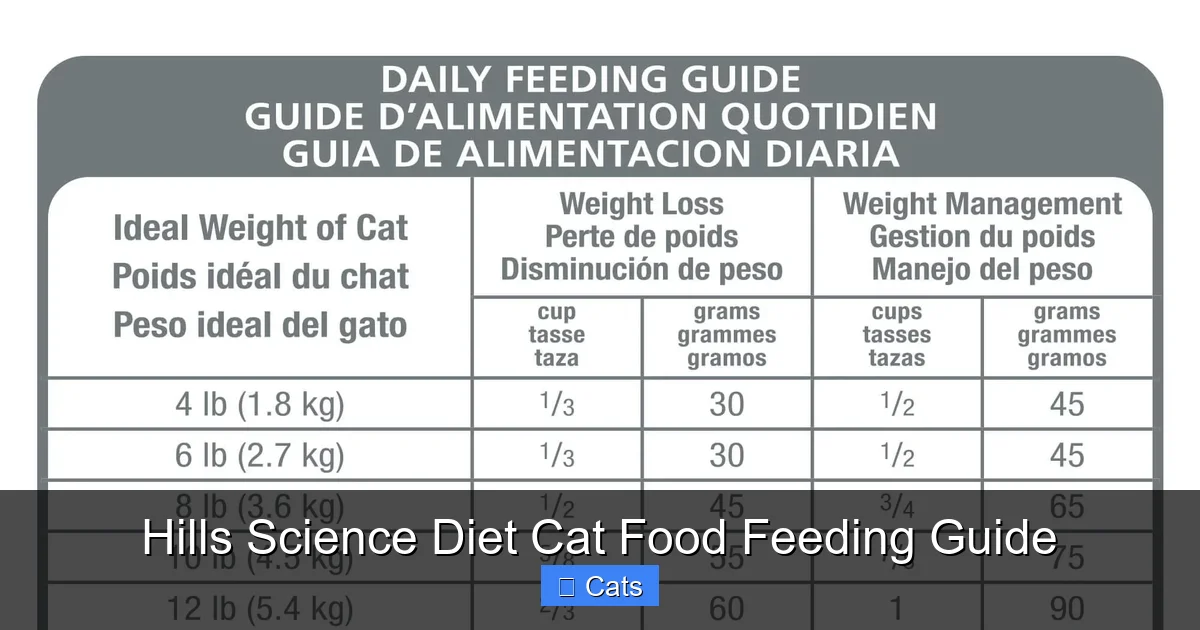
Visual guide about Hills Science Diet Cat Food Feeding Guide
Image source: cdn.shopify.com
The Benefits of Weighing Food
Weighing food in grams provides much more accuracy than using a measuring cup. A scoop can be packed tight or held loosely, leading to a difference of 20 to 30 calories per meal. Over a month, that adds up to a significant amount of weight gain. When you use a scale, you ensure that your cat gets exactly what the Hills Science Diet cat food feeding guide suggests, every single time.
Tracking Body Condition Score
If you aren’t sure if you are feeding the right amount, look at your cat’s waistline. Veterinarians use a Body Condition Score (BCS). You should be able to feel your cat’s ribs without seeing them, and your cat should have a visible “tuck” at the waist when viewed from above. If your cat is gaining too much weight, check your Hills Science Diet cat food feeding guide again and consider reducing the daily portion by five percent.
Transitioning Your Cat to New Food
Whether you are switching to a new Hill’s formula or starting a new feeding routine, patience is required. A cat’s digestive system is sensitive. If you change their food overnight, you are likely to end up with a mess in the litter box or a cat that turns their nose up at dinner.
The Seven-Day Rule
Follow the seven-day transition rule. On days one and two, mix 25 percent of the new food with 75 percent of the old food. On days three and four, go 50/50. On days five and six, use 75 percent new food. By day seven, you can fully rely on your Hills Science Diet cat food feeding guide for the new formula. This slow approach helps their gut bacteria adjust to the new nutrient profile.
Managing Picky Eaters
Some cats are notoriously stubborn. If your cat refuses to eat the new food, do not give in by offering treats. Instead, try warming the food slightly or adding a tiny bit of warm water to release the aromas. Hill’s Science Diet is formulated to be palatable, so most cats will eventually accept the change if you stick to the plan.
Common Challenges with Feeding Guides
Sometimes, following the Hills Science Diet cat food feeding guide doesn’t seem to work. You might notice your cat is still crying for more food or, conversely, leaving half of it in the bowl. This is a common experience, but it usually has a simple explanation.
The “Hungry Cat” Myth
Cats are masters of manipulation. Just because they are meowing at the pantry door does not mean they are starving. If you have followed the Hills Science Diet cat food feeding guide accurately, your cat is likely getting enough calories. To manage begging behavior, try using puzzle feeders or interactive toys. This engages their brain and makes mealtime a fun activity rather than just a bowl dump.
Multi-Cat Households
Living with multiple cats adds complexity. If you have one cat on a weight management diet and another on a high-growth kitten formula, keeping them out of each other’s bowls is a challenge. Using microchip-enabled feeders can be a game-changer. These feeders open only for the cat with the matching chip, ensuring that each feline sticks to their specific portion outlined in your Hills Science Diet cat food feeding guide.
Specialized Needs and Formulas
Hill’s is famous for its specialized diets. Whether your cat has a sensitive stomach, skin issues, or urinary health concerns, there is a bag for them. However, special formulas often have different caloric densities. Always re-check your Hills Science Diet cat food feeding guide whenever you switch, even if it is just moving from the “Adult” formula to the “Adult Sensitive Stomach” formula.
Urinary and Digestive Support
Cats prone to urinary crystals or blockages need specific nutrient balances. These foods are designed to keep the pH of the urine in a healthy range. Because the mineral content is so precise, you must strictly follow the portion sizes in the Hills Science Diet cat food feeding guide. Overfeeding these formulas can render their protective benefits ineffective.
Indoor vs. Outdoor Formulas
Indoor cats generally have lower energy requirements. If you feed an indoor cat the same amount as an outdoor cat of the same weight, the indoor cat will likely become overweight. The indoor formulas from Hill’s are often higher in fiber to help with hairball control and satiety. Using the Hills Science Diet cat food feeding guide for indoor formulas helps prevent that creeping weight gain common in apartment-dwelling pets.
Conclusion: Your Commitment to Health
Using a Hills Science Diet cat food feeding guide is an act of love. It shows that you care about your cat’s longevity, energy, and overall quality of life. By understanding the science behind the food, weighing your portions, and observing your cat’s physical condition, you become an expert in their care. As we navigate through 2026 and beyond, remember that the goal is not just to feed your cat, but to nourish them.
Keep the guide handy, don’t be afraid to ask your vet questions, and enjoy the peace of mind that comes with knowing you are doing the best for your furry companion. With consistent, balanced nutrition, your cat will have the fuel they need to keep chasing laser pointers and cuddling on your lap for many years to come.
Frequently Asked Questions
How often should I adjust my cat’s portion based on the feeding guide?
You should check your cat’s weight once a month and adjust portions if you notice weight gain or loss. Always use the Hills Science Diet cat food feeding guide as a base, but fine-tune it by 5-10% based on your vet’s feedback.
Can I mix dry and wet food using these guides?
Yes, you can combine them, but you must calculate the total calories from both. Divide the daily calorie goal by the percentage of wet and dry food you wish to provide, ensuring you don’t exceed the total recommended daily intake.
Does the feeding guide change if my cat is neutered or spayed?
Spayed and neutered cats have lower metabolic rates and are prone to weight gain. You may find that you need to feed slightly less than the average recommendation on the Hills Science Diet cat food feeding guide to maintain an ideal weight.
What if my cat leaves food in the bowl?
If your cat consistently leaves food, they may be getting too many calories. Try reducing the daily portion slightly, but if your cat suddenly stops eating, consult your veterinarian to rule out dental or health issues.
Are treats included in the total feeding guide amount?
Treats should never account for more than 10% of your cat’s total daily caloric intake. When giving treats, subtract those calories from the total amount of food suggested in your Hills Science Diet cat food feeding guide.
Is it okay to free-feed my cat?
Free-feeding can lead to overeating and makes it difficult to monitor your cat’s appetite, which is a key health indicator. Measured, scheduled meals based on a Hills Science Diet cat food feeding guide are usually better for weight management.