
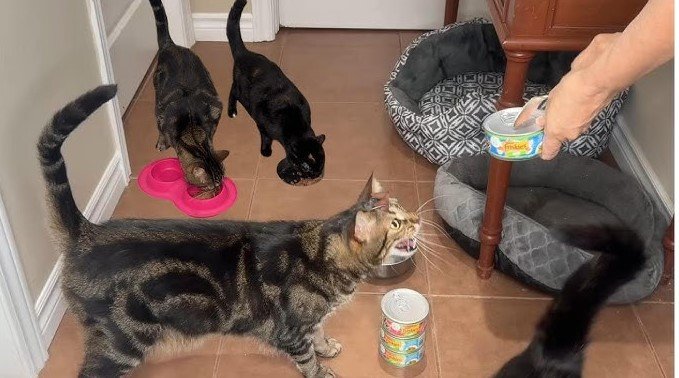
Feeding your cat the right amount of Friskies canned food is essential for their long-term health and weight management. By following our simple guidelines based on age, activity level, and caloric needs, you can ensure your feline friend stays satisfied without overeating.
Bringing a cat into your home is one of the most rewarding experiences you can have. As a dedicated cat parent in 2026, you want to make sure your feline companion is getting the very best nutrition. One of the most common questions we hear is regarding Friskies canned cat food how much to feed. It is a topic that sounds simple but actually requires a little bit of math and a lot of observation.
Feeding your cat isn’t just about dumping food in a bowl and hoping for the best. It is about understanding their unique biology, metabolism, and lifestyle. When you get the portion sizes right, you see it in their shiny coat, their bright eyes, and their steady energy levels. Let’s dive into everything you need to know about serving up the perfect Friskies meal.
Key Takeaways
- The Golden Rule: Most adult cats need about one ounce of canned food per pound of body weight daily.
- Check the Label: Always refer to the specific Friskies product packaging, as caloric density varies between recipes like Paté and Shreds.
- Consistency Matters: Use a kitchen scale or standard measuring cup to ensure portion sizes remain consistent every single day.
- Adjust for Life Stage: Growing kittens require significantly more calories and frequent meals compared to senior, sedentary cats.
- Monitor Body Condition: If your cat begins to gain or lose weight unexpectedly, adjust their daily intake and consult your veterinarian.
- Hydration Benefits: Feeding canned food provides vital moisture that helps support kidney and urinary tract health.
Understanding the Basics of Feline Nutrition
Before we look at specific numbers, it helps to understand why feeding frequency and volume matter so much. Cats are obligate carnivores. This means their bodies are built to process protein-heavy diets. Unlike humans or dogs, who might be okay with a bit of variety in their food sources, cats have very specific requirements for taurine, amino acids, and hydration.
Why Canned Food is a Great Choice
In 2026, we have more options than ever, but canned food remains a top-tier choice for most cat owners. Because cats often do not have a high thirst drive, they don’t drink as much water as they should. Canned food is typically 70 to 80 percent water. By serving Friskies canned food, you are helping your cat maintain their hydration levels, which is crucial for preventing kidney issues and urinary tract stones. It is like giving them a meal and a drink all in one go.
The Role of Calories
When you ask about Friskies canned cat food how much to feed, you are really asking about calories. A 5.5-ounce can of Friskies Paté has a different caloric count than a pouch of Friskies Shreds. You must look at the “kcal per can” listed on the back of the label. This is your secret weapon. If you know how many calories your cat needs, the math becomes much easier.
Determining How Much to Feed Your Adult Cat
Most healthy adult cats fall into a general range for feeding. A standard, average-sized cat that weighs around 10 pounds generally requires about 200 to 250 calories per day. However, this is just a starting point. Your cat’s activity level plays a massive role in their caloric burn. Is your cat a high-speed hallway sprinter, or are they a professional napper?
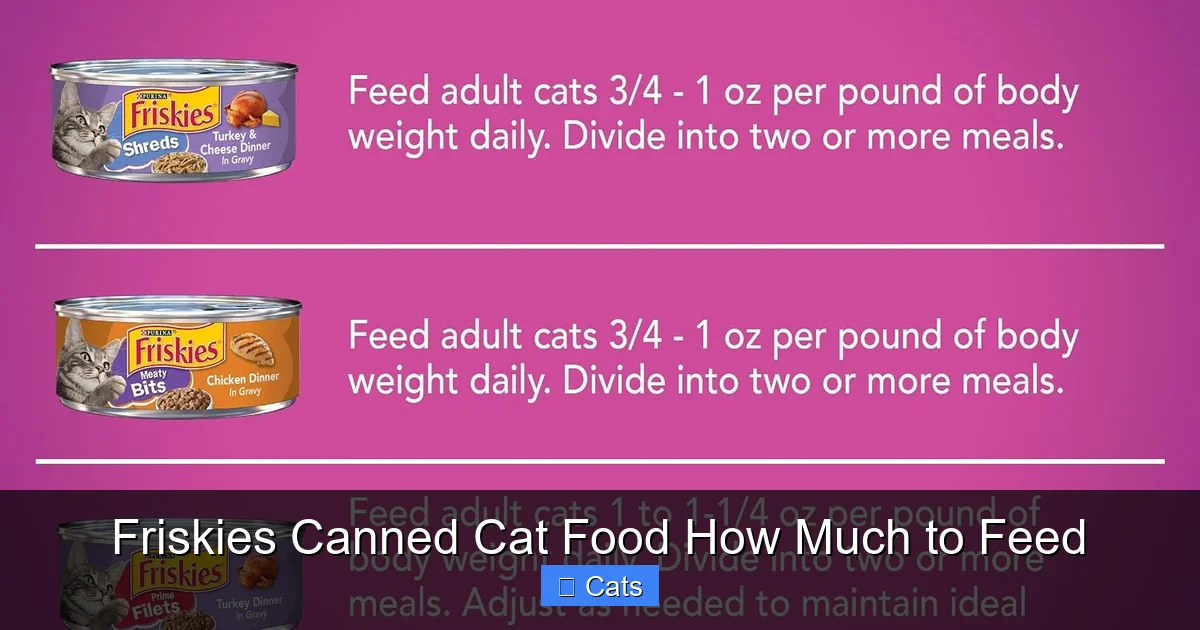
Visual guide about Friskies Canned Cat Food How Much to Feed
Image source: m.media-amazon.com
The “One Ounce per Pound” Rule
A helpful rule of thumb for Friskies canned cat food how much to feed is the “one ounce per pound” guide. For an average adult cat, you should aim for approximately one ounce of canned food for every pound of body weight per day. If your cat weighs 10 pounds, they should consume about 10 ounces of food spread across two or three meals. Again, always verify this against the calorie density printed on your specific flavor of Friskies.
Signs Your Cat Needs More or Less
You know your cat better than anyone. If you notice their waistline disappearing or if you can easily feel their ribs poking through, they may need a slight increase in their portion sizes. On the flip side, if your cat is becoming sluggish or the vet notes they are getting a bit too round, it is time to scale back. Consistency is key, but adaptability is what makes a great owner.
Feeding Kittens and Growing Cats
Kittens are little energy machines. They are burning through calories at an incredible rate while their bones and muscles develop. You cannot follow adult feeding guidelines for a kitten; they simply won’t get enough fuel to grow properly. Friskies offers specific formulas that are great for growth, but the volume is much higher.
Frequency is Key for Kittens
While an adult cat might be happy with two meals a day, a kitten under six months old needs to eat three to four times a day. Their stomachs are tiny, so they need frequent, smaller portions. If you are wondering about Friskies canned cat food how much to feed a kitten, aim for enough to keep them satisfied without leaving too much waste. Kittens rarely overeat, so you can generally let them eat until they are full during their rapid growth phase.
Transitioning to Adulthood
Around the one-year mark, most cats transition to adult food. During this time, slowly shift their feeding schedule to twice a day. Monitor their weight closely as they hit this milestone, as their metabolism will naturally slow down compared to their wild kitten days.
Senior Cats and Special Considerations
As our feline friends reach their golden years, their nutritional needs change once more. Senior cats (usually those over age 10) often become less active. Because they aren’t burning as many calories as they used to, they can gain weight quickly if their food portions aren’t adjusted accordingly.
Adjusting for Lower Activity
When looking at Friskies canned cat food how much to feed for a senior, start by reducing the portion size by about 10 to 15 percent. If they seem hungry, you might consider splitting their daily ration into more frequent, smaller meals to keep their metabolism working throughout the day. Always consult your vet if you notice a sudden change in your senior cat’s appetite, as this can sometimes indicate underlying health issues.
Health-Related Portion Adjustments
Some cats deal with specific health challenges, such as diabetes or digestive sensitivities. If your cat is on medication or has a chronic condition, your veterinarian will provide a precise feeding plan. Never guess at portions when medical concerns are involved. Always stick to the vet-recommended calorie count for your cat’s unique situation.
Practical Tips for Mealtime Success
Feeding time should be a bonding experience, not a stressful chore. Here are some pro tips to make the process easier. First, avoid “free-feeding” or leaving canned food out all day. Canned food spoils and loses its appeal quickly once it is out of the can. If it sits for more than 30 minutes, it is time to put it away or discard it.
Creating a Routine
Cats are creatures of habit. They love knowing exactly when breakfast and dinner will arrive. Try to serve their Friskies meals at the same time every day. This helps stabilize their blood sugar and makes them feel more secure in their environment. A predictable routine also makes it easier to notice if your cat skips a meal, which is often the first sign that something might be wrong.
Mixing It Up
Many cat owners choose to combine dry kibble with Friskies canned food. If you do this, you must calculate the total calories from both sources. If you feed half a cup of dry food, you need to subtract those calories from the total amount of canned food you provide. Use a simple notebook or a smartphone app to track the total daily calorie intake for your cat to ensure they stay within their target range.
Monitoring and Adjusting Long-Term
Your cat’s nutritional needs are a moving target. What worked for them last summer might not work this winter when they are lounging more. Every few months, take a moment to evaluate their body condition. Are they as active as they were? Have they had any recent health changes? A quick check-in with your vet during their annual check-up can confirm if your current feeding approach is working.
The Importance of Weight Tracking
A simple kitchen scale can be your best friend. Weighing your cat once a month is a great way to catch subtle trends before they become major health issues. If you don’t have a scale, use the “hands-on” method. Gently feel their sides. You should be able to feel their ribs without pressing hard, but you shouldn’t see them sticking out like a skeleton. If you feel a thick layer of padding, it is time to trim their portion sizes.
Final Thoughts on Feline Health
Providing the right portion of Friskies canned cat food is a meaningful way to show your love. By taking the time to understand calorie density, activity levels, and age-related needs, you are setting your cat up for a long, healthy life. Remember, the goal isn’t perfection; it is steady, consistent care that honors your cat’s natural needs. With a little attention to detail, you can ensure that every mealtime is a healthy delight for your furry friend.
Frequently Asked Questions
Is it okay to feed my cat Friskies canned food every day?
Yes, Friskies canned food is formulated to be nutritionally complete and balanced, making it perfectly safe for daily feeding. Many owners use it as a primary source of nutrition because it provides essential moisture that supports long-term kidney and urinary health.
How do I know if I am feeding my cat too much?
You can tell if you are overfeeding by feeling your cat’s ribs; if you cannot feel them easily through a light layer of fat, your cat may be overweight. Additionally, monitor for any uneaten food left in the bowl, as this often indicates the portion size is larger than what your cat actually needs.
Can I leave canned food out all day for my cat to graze?
No, you should not leave canned food out for more than 30 to 60 minutes, as it can spoil and harbor bacteria. It is best to serve portioned meals at specific times to keep the food fresh and palatable for your cat.
Should I calculate calories if I feed a mix of dry and wet food?
Absolutely, you must account for the calories in both the dry kibble and the canned food to avoid overfeeding. Total up the daily caloric intake from both sources and ensure it aligns with your cat’s weight management goals provided by your veterinarian.
Does the amount to feed change if my cat is indoor-only?
Indoor cats generally lead less active lives than outdoor cats, which often means they require fewer daily calories to maintain a healthy weight. You may need to feed your indoor cat slightly smaller portions compared to a highly active outdoor feline.
Are there specific instructions for senior cats?
Senior cats often have slower metabolisms and reduced activity levels, so they may require a reduction in daily caloric intake. Always observe your senior cat’s weight and consult your vet before making significant changes to their portion sizes.