
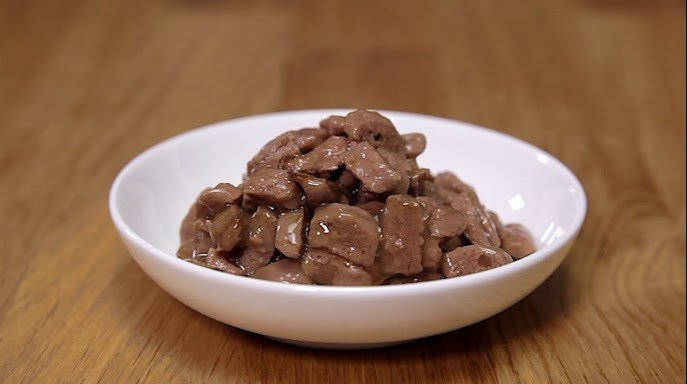
Hill’s Prescription Diet k/d is a specialized therapeutic food designed to support cats with chronic kidney disease by reducing the workload on their kidneys. Proper portion control and a slow transition are essential to help your cat adjust to this vital dietary change while maintaining their overall well-being.
If your veterinarian has recommended Hill’s Prescription Diet k/d for your feline companion, you might feel a little overwhelmed. Receiving a diagnosis of kidney issues can be stressful for any pet parent. However, the good news is that nutrition is one of the most powerful tools we have to manage these conditions. This Hills Kd wet cat food feeding guide is here to help you navigate the process of nourishing your cat with confidence.
When our cats face kidney challenges, their bodies struggle to filter out waste products efficiently. Hill’s k/d is specifically formulated to lower the burden on those hard-working organs. By managing phosphorus levels and providing high-quality protein, this diet helps your cat feel better for longer. Let’s dive into how you can make this transition smooth, safe, and stress-free for your best friend.
Key Takeaways
- Consult Your Veterinarian: Never start a therapeutic diet without a professional diagnosis and specific feeding instructions from your vet.
- Slow Transition is Crucial: Mix the new food with your cat’s old diet over 7–10 days to prevent digestive upset and ensure acceptance.
- Hydration Matters: Wet food is excellent for kidney health because it provides vital moisture, but always keep a bowl of fresh water available.
- Portion Management: Use the Hills Kd wet cat food feeding guide on the label as a starting point, but adjust based on your cat’s weight and activity level.
- Monitor Appetite: Kidney cats may have decreased appetites; track how much they eat daily and report any significant changes to your veterinarian.
- Routine Check-ups: Regular blood work and weight monitoring are necessary to ensure the k/d diet is working effectively for your cat’s unique needs.
Understanding the Importance of Therapeutic Nutrition
In 2026, we have a deeper understanding of how feline nutrition impacts longevity. When a cat has kidney disease, the goal is to maintain their quality of life. Standard cat foods are often high in phosphorus, which is something a compromised kidney cannot process well. That is why veterinarians rely on the Hill’s k/d line.
What Makes k/d Different?
The k/d formula is not just “cat food.” It is a carefully engineered medical tool. It contains controlled amounts of phosphorus, which is critical for slowing the progression of renal damage. It also features optimal levels of essential amino acids to maintain muscle mass. Because many cats with kidney issues lose their appetite, the food is also designed to be highly palatable.
The Benefits of Wet Food
While dry kibble is convenient, wet food is often the gold standard for kidney support. Cats are notoriously bad at drinking enough water on their own. Wet food provides an extra boost of hydration in every bite. This extra moisture helps flush toxins through the kidneys, making the Hills Kd wet cat food feeding guide even more impactful for your cat’s daily hydration goals.
The Step-by-Step Transition Strategy
Cats are creatures of habit. If you swap their food overnight, you might end up with a cat that refuses to eat. A slow, steady transition is the secret to success. Never rush the process, even if your vet wants to see the change happen quickly. We want your cat to associate the new diet with positive experiences, not frustration.
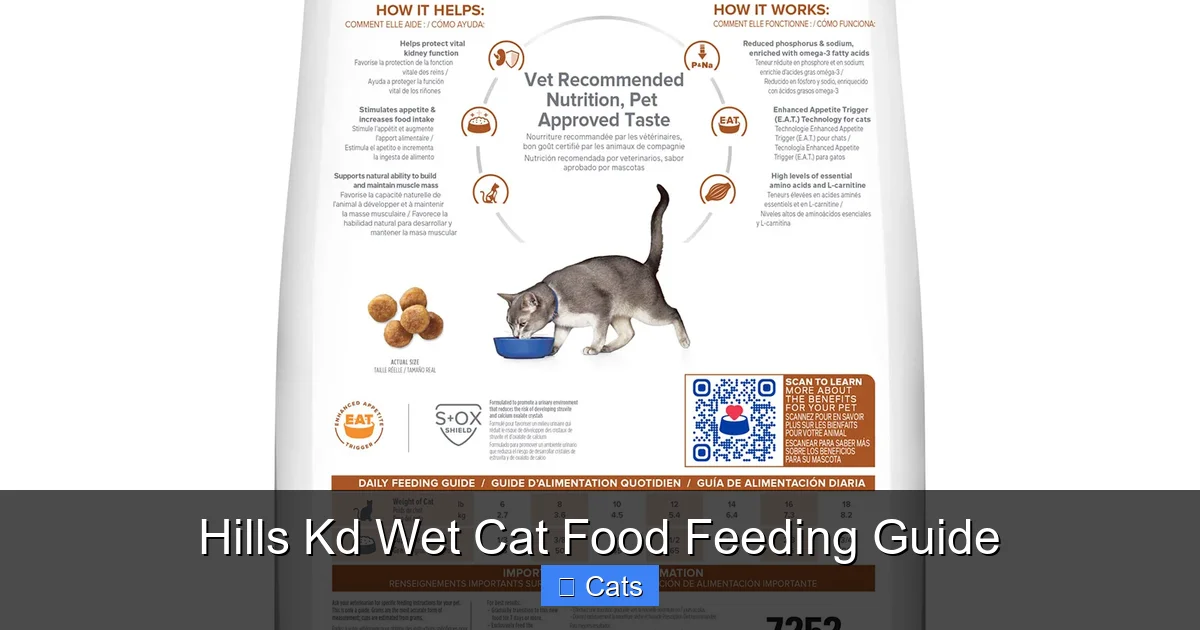
Visual guide about Hills Kd Wet Cat Food Feeding Guide
Image source: cdnpublic.budgetpetproducts.com.au
The 10-Day Plan
Start by mixing a small amount of the new k/d wet food into their current meal. On days 1 through 3, aim for 25 percent k/d and 75 percent old food. If your cat seems happy and is eating well, move to a 50/50 mix for days 4 through 6. By the end of the first week, you can shift to 75 percent k/d. By day 10, most cats are fully transitioned to their new therapeutic diet.
Troubleshooting Food Refusal
What if your cat turns their nose up at the new food? First, stay calm. Cats can sense your anxiety. Try warming the food slightly to release the aromas, which can entice a picky eater. You can also try adding a tiny bit of warm water to create a slurry. If they still refuse after a day or two, contact your vet before trying anything else, as they may have specific tips or appetite stimulants to help.
Following the Hills Kd Wet Cat Food Feeding Guide
Every cat is different, and there is no “one-size-fits-all” portion. Your cat’s age, activity level, and exact stage of kidney health will dictate how much they should eat. The packaging is your primary reference point, but treat it as a guideline rather than a strict law.
Calculating Daily Portions
The back of the k/d can provides a weight-based chart. Start by weighing your cat to get an accurate baseline. If your cat is currently overweight or underweight, your vet may suggest a target weight to work toward. Use that target weight when consulting the Hills Kd wet cat food feeding guide to determine the number of cans per day.
Splitting Meals
Instead of one or two large meals, consider offering several smaller meals throughout the day. Cats in kidney support programs often have sensitive stomachs. Smaller, more frequent feedings can help prevent nausea and keep their energy levels stable throughout the day. This is particularly helpful if your cat has a lower appetite.
Monitoring Your Cat’s Health at Home
Transitioning to a new diet is just the beginning. As a pet parent, your observations are invaluable. You are the one seeing your cat every single day, and you will notice subtle changes long before a blood test might reveal them.
Tracking Weight and Appetite
Keep a simple journal or use a digital app to log how much your cat eats daily. If you notice a sudden drop in their intake, it is time to call your vet. Additionally, weigh your cat once every two weeks. Sudden weight loss is a common symptom in kidney-challenged cats and needs to be addressed immediately.
Hydration Cues
Since your cat is eating the k/d wet food, they are getting more water than a dry-fed cat. However, you should still watch their litter box habits. If they seem to be urinating more or less than usual, make a note of it. These patterns provide your veterinarian with essential data during your follow-up visits.
Working Closely with Your Veterinary Team
Think of your veterinarian as your partner in this journey. The Hills Kd wet cat food feeding guide is meant to be used in conjunction with professional medical care. Do not make changes to your cat’s diet without checking in with your clinic first.
The Role of Follow-Up Appointments
Your vet will likely want to run periodic blood tests to check your cat’s kidney markers. These appointments allow them to see if the k/d diet is managing the condition as expected. If the blood work shows improvement or if the kidneys continue to decline, your vet might adjust the feeding plan or discuss other therapeutic options.
Supplements and Treats
Can you give your cat treats? Maybe, but only if your vet gives the green light. Many commercial treats are high in phosphorus and can undo the hard work the k/d diet is doing. Always ask your vet about safe, kidney-friendly treat options that won’t disrupt the therapeutic balance of the primary diet.
Conclusion
Providing the right nutrition is one of the kindest things you can do for a cat dealing with kidney issues. While the diagnosis may feel daunting, following the Hills Kd wet cat food feeding guide will help you manage your cat’s health effectively and keep them comfortable. Remember that patience is your greatest asset. Take it one day at a time, monitor your cat closely, and stay in constant contact with your veterinary team.
Your cat is lucky to have a dedicated human who is willing to go the extra mile to provide specialized care. By focusing on high-quality nutrition, hydration, and regular check-ups, you are giving your cat the best possible chance to live a long, happy life by your side. You’ve got this!
Frequently Asked Questions
Is it okay to mix Hill’s k/d wet food with dry kibble?
It is generally acceptable to mix wet and dry versions of the k/d diet if your veterinarian approves of it. However, always ensure you are adjusting the total portion sizes to avoid overfeeding and keep track of your cat’s daily calorie intake.
How long does it take for a cat to adjust to the k/d diet?
Most cats take about 7 to 10 days to fully transition to the new food using the mixing method. Some cats may take a bit longer, so be patient and continue monitoring their appetite during the switch.
Can healthy cats eat k/d food?
No, Hill’s k/d is a therapeutic diet formulated specifically for cats with kidney issues. It is not intended for healthy, adult cats, as it lacks the standard balance of nutrients required for a cat with fully functional kidneys.
What if my cat refuses to eat the k/d wet food?
If your cat refuses the food, do not force them, as this can lead to food aversion. Try warming it slightly or adding a small amount of warm water, and contact your veterinarian to discuss other strategies or palatability enhancers.
Are treats allowed while on this diet?
You should consult your vet before giving any treats, as standard treats are often high in phosphorus. Your vet may recommend specific kidney-friendly snacks or allow you to use small amounts of the k/d food itself as a treat.
How often should I feed my cat?
While you can follow the recommended total daily amount, many cats with kidney issues do better with smaller, more frequent meals. Offering 3 to 4 small meals throughout the day can help maintain appetite and keep their digestion steady.