
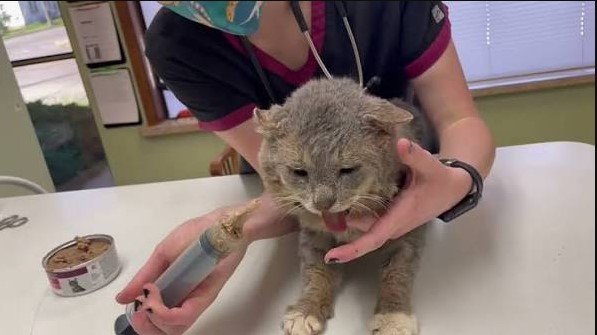
When your cat is unwell, their appetite often drops, making nutrition a critical part of the healing process. Focus on highly palatable, easily digestible foods to encourage eating, and always consult your veterinarian before making significant dietary changes.
Watching your beloved feline friend struggle with an illness is one of the most stressful experiences for any pet owner. Whether they are dealing with a minor upset stomach, recovering from surgery, or managing a chronic condition, seeing them turn away from their food bowl can be heartbreaking. In 2026, we have access to more nutritional tools than ever, yet the basic principles of caring for a sick cat remain focused on comfort, hydration, and gentle encouragement.
Feeding a sick cat is rarely as simple as just putting down a bowl of kibble. Their senses change, their digestive systems become sensitive, and their desire to groom or move often decreases. This article serves as your guide to navigating these tricky waters. We will look at how to tempt their appetite, what specific ingredients help the body heal, and when you absolutely need to stop trying to feed them at home and head to the emergency clinic.
Key Takeaways
- Consult your vet: Never change a sick cat’s diet without professional advice, as the underlying cause of illness determines the necessary nutritional approach.
- Prioritize hydration: Sick cats often dehydrate quickly, so adding water or broth to food can be a life-saver.
- Focus on scent: A cat’s appetite is driven by smell; warming food slightly can release aromas that entice a picky eater.
- Small, frequent meals: Offering tiny portions throughout the day prevents nausea and is easier on a sensitive stomach.
- Monitor intake: Keeping a strict log of what and how much your cat eats is vital for your vet to assess their progress.
The Science of Appetite and Illness in Cats
When a cat feels sick, their body enters a survival mode. If they have a fever, are experiencing pain, or suffer from nausea, the last thing their brain cares about is food. Unlike dogs, who might eat anything they find on the floor, cats are highly sensitive to their internal chemistry. If they associate food with a feeling of nausea, they will quickly develop an “aversion” to that food.
Why Smell is Your Greatest Ally
A cat’s sense of smell is roughly fourteen times more powerful than a human’s. When a cat has a respiratory infection, their nasal passages are blocked, effectively “turning off” their appetite. This is why many owners find that a cat with a cold stops eating entirely. In 2026, we emphasize the importance of “olfactory stimulation.” By choosing foods with a strong, rich scent, you can trigger a cat’s hunger response even when they don’t feel like eating.
Avoiding Food Aversions
One common mistake owners make is forcing a cat to eat a specific food while they are feeling terrible. If the cat vomits after eating that specific brand, they may never touch it again. Keep the feeding environment calm and quiet. If your cat shows a negative reaction to a food, remove it immediately. Don’t try to force them to finish it, as this creates a stressful association that can lead to long-term picky eating habits.
Choosing the Right Foods for a Sick Cat
When you are deciding what to feed a sick cat, you need to balance nutritional density with palatability. You want something that provides high-quality protein without taxing their digestive tract. While some people swear by “human food” like plain chicken, you must be careful about nutritional imbalances if you choose this route for more than a day or two.
Visual guide about What to Feed Sick Cat
Image source: i.pinimg.com
The Benefits of Wet Food
Wet food is almost always superior for a sick cat. It contains high water content, which is crucial for kidney health and keeping the body hydrated. If your cat is used to dry kibble, trying a high-quality canned pate or a “stew-style” wet food can be a game-changer. The texture is easier to swallow, and the moisture helps keep their system moving.
Gentle Proteins and Easy Digestion
Look for foods where protein is the first ingredient. During illness, the body needs amino acids to repair tissues and support the immune system. Lean meats like chicken, turkey, or white fish are usually the easiest for a cat to digest. Avoid fatty, fried, or seasoned foods. Even if it smells good to you, the salt, garlic, or onions in your dinner can be toxic or damaging to your cat’s internal organs.
Practical Tips for Tempting a Picky Eater
So, you have the right food, but the cat is still walking away. What now? It is time to get creative. Many vets in 2026 suggest using “toppers” or “enhancers” to pique interest. Remember, the goal is simply to get them to take a few bites so that their stomach starts working again.
Warming the Food
Heating up wet cat food for just five to ten seconds in the microwave can make a world of difference. It mimics the temperature of fresh prey, which is naturally attractive to felines. Always stir the food afterward to ensure there are no “hot spots” that could burn their mouth. A lukewarm, fragrant meal is significantly more appealing than a cold, congealed block of food straight from the fridge.
Natural Enhancers
You can sprinkle a small amount of nutritional yeast or even a tiny bit of plain, low-sodium chicken broth over their food. Make sure the broth contains absolutely no onion or garlic powder, as these are highly toxic to cats. Another trick is to crush a small piece of a favorite treat and sprinkle it on top. This “dusting” of flavor often encourages them to lick the surface, which leads them to realize the food below is actually quite tasty.
The Importance of Hydration During Recovery
Dehydration is the silent enemy of the sick cat. A cat who isn’t eating is also likely not drinking enough water. When they are dehydrated, their energy levels plummet, and their liver function can be compromised. In 2026, we have a variety of pet water fountains and electrolyte supplements that can help, but you need to monitor their intake closely.
Signs of Dehydration
To check if your cat is hydrated, gently pull up the skin between their shoulder blades. If it snaps back quickly, they are likely doing fine. If it stays in a “tent” shape or takes a long time to smooth out, your cat is dehydrated and needs veterinary attention immediately. Other signs include sticky gums, sunken eyes, or excessive lethargy.
Adding Moisture to Meals
If your cat isn’t drinking enough, start adding extra water to their wet food. Create a “soupy” consistency. Most cats won’t mind the extra water if the food is flavorful enough. You can also offer a shallow bowl of plain, salt-free bone broth. Not only is this hydrating, but it also provides essential minerals that help support the body’s recovery process.
When to Stop Home Care and See a Vet
We all want to nurse our pets back to health at home, but there are clear boundaries. If your cat has gone more than 24 hours without eating anything, you need to call your vet. Cats are prone to a condition called hepatic lipidosis (fatty liver disease) if they stop eating for too long, which can be fatal. Do not wait for them to “just get better on their own.”
Recognizing Danger Signs
Watch for vomiting, diarrhea, hiding in dark corners, or extreme lethargy. If your cat seems to be in pain, such as crying out or refusing to move, do not try to feed them. They may need pain management or intravenous fluids that only a clinic can provide. In 2026, many clinics offer telehealth consultations, which can be a great first step if you aren’t sure if the situation is an emergency.
Professional Nutritional Support
Your vet may prescribe “recovery” diets. These are specialized, calorie-dense foods designed for cats who are recovering from surgery or severe illness. These cans are often very soft, almost mousse-like, and are specifically formulated to be easy to swallow and digest. If your vet provides a prescription diet, follow their instructions regarding portions and duration exactly.
Creating a Healing Environment
Feeding is not just about the food; it is about the setting. When a cat is sick, they feel vulnerable. If you try to feed them in a high-traffic area, such as near a loud laundry room or where other pets can bother them, they will likely refuse to eat. Move their bowl to a quiet, warm, and comfortable corner where they feel safe.
Keep the feeding area clean. Sick cats are often sensitive to odors, and a dirty bowl can actually make them turn away. Use shallow, wide bowls so their whiskers don’t brush against the sides. This is known as “whisker fatigue,” and for a sick cat, even that minor sensory annoyance can be enough to make them walk away from their meal.
Conclusion
Helping a sick cat return to health requires patience, empathy, and a bit of culinary experimentation. By focusing on moisture-rich, aromatic, and easy-to-digest foods, you are providing the best support possible for their recovery. Remember, you are their advocate. By keeping a close watch on their habits and knowing when to reach out for professional help, you ensure that your cat has the best possible chance of getting back to their old, healthy, and happy self. Stay calm, keep the environment quiet, and offer them the comfort they need during this time.
Frequently Asked Questions
How long can my cat go without eating?
A cat should not go more than 24 hours without food, as they are at risk for a serious condition called hepatic lipidosis. If your cat refuses to eat for a full day, please contact your veterinarian immediately.
Can I give my sick cat human baby food?
You can offer plain, meat-only baby food (like chicken or turkey) as a temporary treat to encourage eating, but it should not be their primary diet. Ensure it contains zero garlic or onion powder, as these are toxic to cats.
Should I force-feed my cat if they won’t eat?
You should never force-feed a cat unless explicitly instructed by a veterinarian and shown the correct, safe technique. Forcing food can lead to aspiration or create a strong, negative food aversion in your pet.
Is it okay to change my cat’s diet suddenly when they are sick?
Usually, sudden changes cause stomach upset, but if your cat is sick, the priority is getting them to eat something. Your vet can recommend the best transition plan or specific recovery foods that are gentle on the digestive system.
Why does my cat only sniff the food and walk away?
Your cat may have lost their sense of smell due to congestion, or they may be feeling nauseous. Try warming the food slightly to release more aroma, or offer a different texture, such as a broth-based meal.
Do I need to give my sick cat extra vitamins?
Do not give your cat human vitamins or supplements, as these can be toxic. Only provide supplements that have been specifically approved or prescribed by your veterinarian for your cat’s specific health condition.