
Bengal cats are high-energy, athletic animals that require a specialized, protein-rich diet to maintain their lean muscle and wild-like vitality. By focusing on high-quality animal proteins and avoiding unnecessary fillers, you can ensure your cat stays happy, healthy, and full of life for years to come.
Bringing a Bengal cat into your home is like inviting a tiny, domestic leopard to share your living room. These stunning cats are famous for their rosette patterns, high intelligence, and boundless energy. If you are a new owner in 2026, you might be wondering exactly what to feed Bengal cats to keep that signature glittery coat shiny and their muscles toned.
Feeding a Bengal is not quite the same as feeding your average house cat. Because of their unique ancestry, these cats are obligate carnivores with a metabolism built for the hunt. If you want your companion to live a long, vibrant life, you need to think like a nutritionist who understands the biology of a wild feline.
Key Takeaways
- High Protein Needs: Bengals are descendants of wild cats and require a diet dominated by animal-based protein to thrive.
- Limit Carbohydrates: These cats do not process grains or starches well; keep carb content as low as possible to prevent obesity.
- Hydration is Vital: Because Bengals are active, they need plenty of moisture, often best provided through wet food or balanced raw diets.
- Avoid Fillers: Steer clear of corn, wheat, and soy, which offer little nutritional value and can cause digestive upsets.
- Consistency Matters: Sudden diet changes can cause stomach issues; always transition to new foods slowly over 7 to 10 days.
- Consult Your Vet: Always verify your specific Bengal’s caloric needs with a professional, especially if they are growing or have health conditions.
Understanding the Bengal Metabolism
The Obligate Carnivore Reality
At their core, every cat is an obligate carnivore, but Bengals take this requirement to the next level. They have shorter digestive tracts designed to process animal protein quickly. In the wild, their ancestors did not graze on cornfields; they hunted prey. This means their bodies are not equipped to break down complex carbohydrates or plant-based proteins efficiently.
When choosing what to feed Bengal cats, always look for animal protein as the first ingredient. Whether it is chicken, turkey, rabbit, or salmon, the primary source of calories should always be meat. If you see ingredients like “corn gluten meal” or “wheat flour” near the top of the label, it is time to put that bag back on the shelf.
Energy Demands of a High-Activity Breed
Bengals are notorious for their activity levels. They love to jump, climb, and sprint across the house at three in the morning. This physical intensity requires a steady supply of energy. Unlike more sedentary breeds that might be prone to weight gain from inactivity, a healthy Bengal burns through calories fast. You need a nutrient-dense diet that packs a punch without needing a massive volume of food.
The Debate: Raw vs. Commercial Diets
The Raw Food Advantage
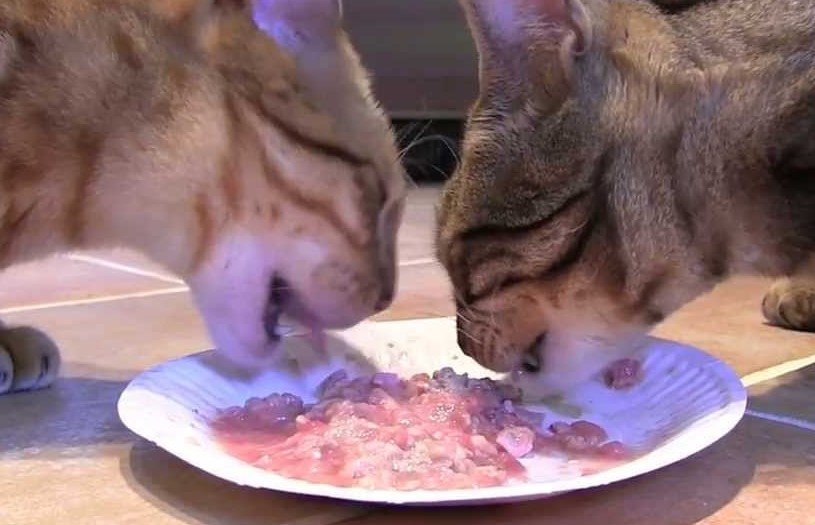
Many Bengal enthusiasts swear by the raw feeding method. A well-balanced raw diet mimics what these cats would consume in the wild. It includes muscle meat, organs, and bones, which provides natural taurine—an essential amino acid for heart and eye health. Many owners report that cats on a raw diet have smaller, less smelly stools and incredibly soft, radiant coats.

Visual guide about What to Feed Bengal Cats
Image source: sweetpurrfections.com
If you decide to explore raw feeding, remember that safety is paramount. You must follow a balanced recipe that provides the correct calcium-to-phosphorus ratio. Never just throw a piece of raw store-bought chicken to your cat; they need the specific nutrient profile of a balanced feline diet to avoid deficiencies.
High-Quality Wet and Dry Commercial Foods
If raw feeding feels too daunting, do not worry. There are plenty of high-quality commercial options available in 2026. Look for grain-free, high-protein canned foods. Canned food is generally superior to dry kibble for Bengals because it provides essential hydration.
If you choose to use dry kibble, ensure it is limited. Kibble is often baked with starches to hold its shape, which works against the Bengal’s dietary needs. Use it sparingly as a treat or a small part of their daily intake, but prioritize wet food for the majority of their nourishment.
Essential Nutrients Every Bengal Needs
Taurine and Vitamin A
Taurine is the “gold standard” nutrient for cats. Since Bengals cannot produce enough of it on their own, they must get it from their diet. A lack of taurine can lead to serious heart conditions and vision loss. Furthermore, Bengals require pre-formed Vitamin A, found in animal tissues. They cannot convert the beta-carotene found in plants like carrots into Vitamin A as efficiently as humans can.
The Importance of Moisture
Bengals are not always great at drinking water from a bowl. In the wild, they get their hydration from the blood and tissues of their prey. To replicate this, you should focus on foods with high moisture content. A cat that is constantly hydrated will have fewer issues with kidney health and urinary crystals later in life.
Transitioning and Feeding Habits
The Seven-Day Rule
Changing your cat’s diet is a big deal for their gut. If you switch foods overnight, you are likely to end up with a messy litter box or a fussy cat. Always follow the seven-day transition rule. Start by mixing 25 percent of the new food with 75 percent of the old food on day one and two. Gradually increase the ratio of the new food until you have fully switched over by the end of the week.
Meal Frequency
While some cats do fine with free-feeding, Bengals are often gluttons for food. It is generally better to feed them two to three scheduled meals a day. This allows you to monitor exactly how much they are eating and ensures the food stays fresh. If you have a particularly active Bengal, you might adjust the portion size upward during their younger, growth-heavy years.
Red Flags and Ingredients to Avoid
The Hidden Dangers
When you are checking labels to decide what to feed Bengal cats, watch out for “by-products.” These can be a mystery mix of lower-quality parts that do not provide the high-quality protein a Bengal needs. You should also stay away from artificial preservatives like BHA and BHT, which are controversial in the pet industry.
Watch for Allergies
Some Bengals have sensitive stomachs. If your cat is frequently vomiting, has itchy skin, or has chronic loose stools, they might be reacting to a specific protein source or an additive. Common culprits include chicken or fish. If you notice these symptoms, try a “limited ingredient” diet or consult your vet to perform an elimination trial.
Conclusion: The Path to a Healthy Bengal
Feeding your Bengal is a journey of understanding their wild roots and their domestic needs. By providing a diet rich in animal protein, keeping them hydrated, and avoiding the fillers that weigh them down, you are setting them up for a life of agility and happiness.
Remember, the best food is the one that keeps your cat energetic, playful, and thriving throughout their many adventures in your home. Stay consistent, watch for changes, and enjoy the bond you build through every meal.
Frequently Asked Questions
How often should I feed my Bengal cat?
Most adult Bengals thrive on two to three scheduled meals per day to manage their high metabolism. This approach also helps you keep an eye on their appetite and overall health.
Is dry food bad for Bengal cats?
Dry food isn’t inherently “bad,” but it is often too high in carbohydrates and low in moisture for an active Bengal. It is best to use it as a snack or a small supplement to a wet or raw diet.
Can I give my Bengal human food?
Small amounts of plain, cooked chicken or turkey are usually safe, but you must avoid onions, garlic, grapes, and chocolate, which are toxic to cats. Always check with your vet before introducing human foods.
Do Bengal cats need a grain-free diet?
Yes, because Bengals are obligate carnivores, they do not need grains to survive and often struggle to digest them. A high-protein, grain-free diet is usually the best choice for this breed.
Why does my Bengal drink so much water?
While Bengals are active, excessive drinking can sometimes signal health issues like diabetes or kidney problems. If your cat’s thirst increases suddenly, it is a good idea to schedule a vet visit.
How do I know if my Bengal is getting enough protein?
A healthy Bengal on a high-protein diet should have a lean, muscular build and a vibrant, soft coat. If your cat seems lethargic or has a dull coat, their protein levels may be inadequate.