
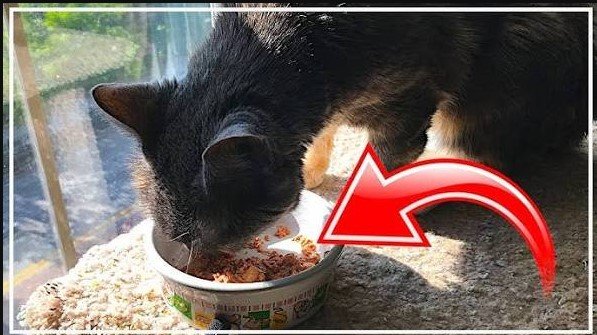
Determining how much Sheba to feed your cat depends on their age, weight, and activity level. By following the feeding guidelines on the label and adjusting for your cat’s specific needs, you can ensure they maintain a healthy weight and stay happy. Always consult your veterinarian for a tailored nutritional plan if your cat has special health requirements.
Feeding your beloved feline can sometimes feel like a guessing game. You want to provide the best nutrition, but you also want to make sure you are not giving them too much or too little. If you are asking, “how much Sheba to feed my cat,” you are certainly not alone. Many pet parents struggle to balance the right portions for their cats in 2026, especially with so many tasty options available.
Sheba is a popular choice for many cat owners because it offers high-quality proteins and delicious textures that cats simply adore. Whether you prefer the perfect portions of the pâté or the savory shreds in gravy, understanding the right amount is key to keeping your cat at a healthy weight. Let’s dive into everything you need to know about portion control for your furry friend.
Key Takeaways
- Check the Label: Always start with the feeding guidelines printed on the Sheba packaging as your baseline.
- Weight Matters: Portion sizes must be adjusted based on your cat’s current weight and their target ideal weight.
- Life Stage counts: Kittens require more calories and frequent meals compared to senior cats or sedentary adults.
- Monitor Body Condition: Use a hands-on approach to check for ribs and waistlines to see if your cat is over or underfed.
- Mix and Match: If you feed a combination of wet and dry food, calculate the total daily calories to prevent overfeeding.
- Consult Your Vet: Sudden changes in appetite or weight should always be discussed with a professional veterinarian.
Understanding Your Cat’s Daily Caloric Needs
Before we talk about specific cans or trays, it is important to understand that every cat is an individual. A high-energy tabby who loves to climb trees and chase laser pointers will need significantly more fuel than a senior cat who spends most of the day lounging on a sunny windowsill. Knowing how much Sheba to feed my cat requires looking at the big picture of their lifestyle.
The Role of Metabolism
Just like humans, cats have different metabolic rates. Kittens are growing rapidly and burning energy at a fast pace, so they need more calories per pound of body weight. Adult cats in their prime need maintenance calories to keep them strong. Senior cats often experience a slower metabolism, meaning they can gain weight easily if they are overfed. By 2026, we have learned that precision in feeding is one of the best ways to extend a cat’s lifespan and improve their quality of life.
Calculating Total Daily Intake
If you are feeding your cat a mix of Sheba wet food and dry kibble, you must account for all the calories. If you treat your cat to a few pieces of dry food in the morning and serve a Sheba tray in the evening, add them together. You can find the calorie count per container on the Sheba label or the company’s official website. Keeping a simple log on your phone can help you track these numbers over the course of a week.
Deciphering the Sheba Feeding Guidelines
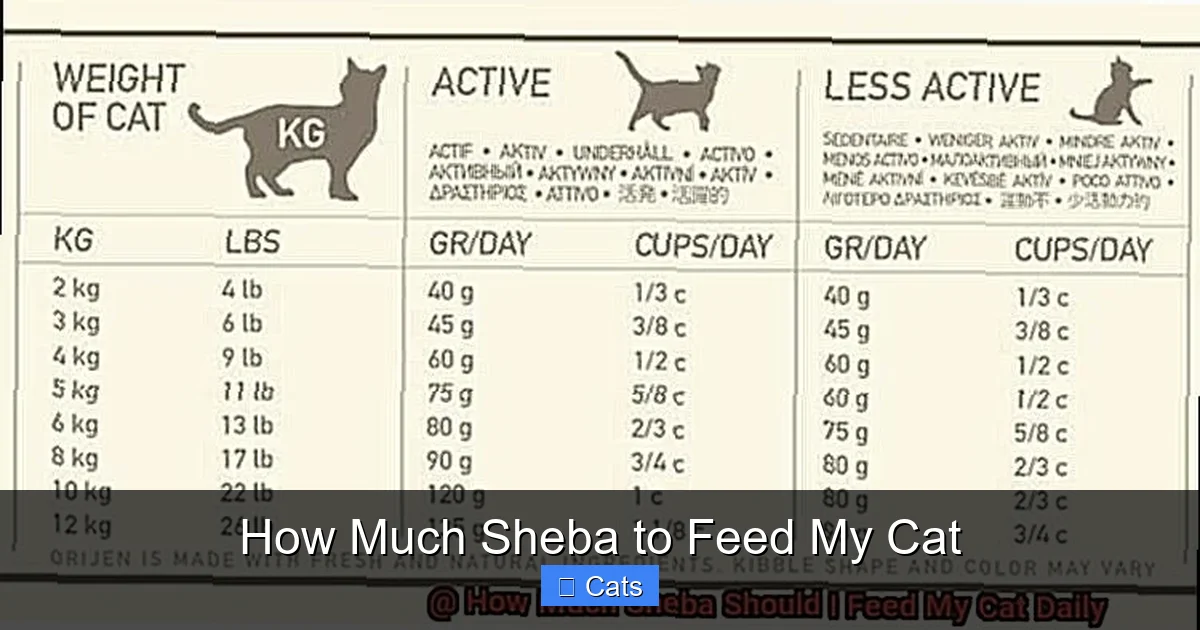
The back of every Sheba package is designed to be your best friend. The manufacturers have put a lot of research into these recommendations. However, these are just starting points. When you wonder how much Sheba to feed my cat, start by following the range provided on the packaging for their current weight.
Why Ranges Exist
You might notice the label says something like “feed 3 to 4 trays per day.” Why the range? It is there to account for the differences we mentioned earlier: activity level, indoor versus outdoor lifestyle, and individual metabolism. Start at the lower end of the range if your cat is an indoor “couch potato.” Start at the higher end if your cat is highly active or has a very fast metabolism.
The “Wait and See” Approach
After you have decided on a starting portion, commit to that amount for about two to three weeks. Observe your cat closely. Are they finishing their food with enthusiasm? Do they seem satisfied after the meal, or are they constantly begging for more? Are they maintaining a steady weight? If they seem to be losing interest in the food, you might be feeding slightly too much. If they are constantly hungry, you might need to adjust, but always do so in very small increments.
Monitoring Your Cat’s Weight and Body Condition
Numbers on a scale are helpful, but “body condition scoring” is the gold standard in 2026 for cat nutrition. You want to be able to feel your cat’s ribs easily without them being poked out, and you want to see a distinct waistline when you look at your cat from above. If you notice your cat gaining a “pouch” or if their waistline is disappearing, it is time to reassess your portioning.
The Hands-On Test
Regularly grooming your cat is a great time to check their physique. Gently run your hands along their sides. Can you feel the ribs? If you have to press hard to feel them, your cat might be carrying a bit too much weight. If the ribs are visible without even touching the cat, they might be underweight. Balancing how much Sheba to feed my cat is a constant dialogue between you and your pet’s physical health.
Adjusting for Weight Management
If your veterinarian tells you your cat needs to lose weight, do not just cut the food in half. This can be dangerous and cause nutritional imbalances or liver issues. Instead, reduce the portion size by about 5 to 10 percent and monitor the results over the next month. Small, consistent changes are much more effective and safer than drastic ones.
Life Stages: From Kitten to Senior
The “how much” question changes drastically as your cat ages. A kitten is like a small engine that never stops running. A senior cat is like a classic car that needs careful maintenance. Adjusting your strategy according to age is critical for long-term health.
Feeding Growing Kittens
Kittens generally need to be fed more frequently often three to four times a day. Their stomachs are tiny, but their energy needs are massive. Make sure you are using a formula specifically designed for kittens if you are using Sheba products. These are calorie-dense and formulated to support brain and bone development. Never restrict food for a growing kitten unless specifically advised by a vet.
Feeding Senior Cats
As cats reach their golden years, they become less active and may lose some muscle mass. Some senior cats also develop dental issues, which makes the soft texture of Sheba wet food a perfect choice. Since they burn fewer calories, you may find that you need to reduce the amount you serve compared to when they were younger adults. Always keep an eye on their hydration as well; wet food is excellent for keeping senior cats properly hydrated.
Mixing Sheba with Other Foods
Many cat owners use Sheba as a “topper” or a special treat rather than a sole diet. This is a great way to add variety and hydration to your cat’s routine, but it does make the math a little more complicated. If you are adding Sheba to a base of dry food, you must reduce the dry food portion significantly to avoid overfeeding.
Calculating the Ratio
A good rule of thumb is that one small tray of wet food can replace a significant portion of the daily dry kibble allowance. If your cat eats 1/2 cup of dry food a day, and you decide to give them one tray of Sheba, you might need to remove about 1/4 cup of the dry kibble. Every brand of dry food has a different calorie count, so check those labels carefully.
Preventing Obesity
Obesity is the number one health risk for cats in 2026. Because cats are small, even a few extra “treat” calories can add up quickly. If you want to use Sheba as a reward for training or good behavior, make sure those calories are factored into the daily total. It is better to have a slightly smaller main meal and save some of the portion for a mid-day “treat” to keep your cat motivated and happy.
When to Consult Your Veterinarian
While this guide gives you the tools to manage your cat’s diet, your veterinarian should always be your final authority. If your cat is showing signs of illness, has a chronic condition like diabetes or kidney disease, or is simply not responding well to your current feeding plan, professional advice is essential.
Signs Your Cat Needs a Diet Change
If your cat suddenly stops eating, eats with extreme voracity, vomits after meals, or has significant changes in their stool quality, you should make an appointment with your vet. These can be signs of underlying issues that require a specialized diet or medical treatment, rather than just a simple portion adjustment.
Creating a Personalized Plan
Your vet can calculate your cat’s exact “Resting Energy Requirement” (RER). This is the number of calories your cat burns just by existing. From there, they can tell you exactly how many calories your cat needs based on their activity levels. Bringing your specific questions about “how much Sheba to feed my cat” to your vet shows that you are a dedicated, informed, and loving pet owner.
At the end of the day, feeding your cat is about more than just numbers. It is an act of love. By paying close attention to the guidelines, monitoring your cat’s physical condition, and adjusting as they age, you are providing the best possible care. Enjoy these mealtime moments with your cat, and rest easy knowing you are giving them the nutrition they need to thrive in 2026 and beyond.
Frequently Asked Questions
How do I know if my cat is still hungry after a meal?
If your cat is constantly pacing near their food bowl or crying for more shortly after eating, they may need a slight increase in portions. However, ensure they aren’t just seeking attention before adding more food to avoid unnecessary weight gain.
Can I leave Sheba wet food out all day?
No, you should not leave wet food out for more than 30 to 60 minutes to prevent spoilage and bacterial growth. If your cat is a grazer, it is better to provide smaller, more frequent meals throughout the day.
How does activity level change how much I feed?
Highly active cats that jump, climb, and play for hours require more calories to maintain their energy levels. Conversely, indoor cats that sleep most of the day need fewer calories to prevent them from becoming overweight.
Should I feed my cat the same amount every day?
While you should aim for consistency, it is okay to make small adjustments if your cat has had an unusually high or low activity day. Focus on a consistent weekly average rather than being rigid with every single meal.
Is it okay to mix Sheba flavors?
Yes, rotating flavors is a great way to keep your cat interested and provide a variety of textures and nutrients. Just ensure that the overall daily calorie count remains stable when switching between different Sheba recipes.
What if my cat is a picky eater?
If your cat is picky, try warming the Sheba slightly or adding a tiny bit of warm water to enhance the aroma. If they refuse to eat for more than 24 hours, contact your veterinarian immediately to rule out illness.