

Finding the right payment for cat sitting can feel awkward, but clear communication makes it easy. Whether you offer cash, gift cards, or a return favor, compensating your neighbor fairly ensures peace of mind for your next trip.
Planning a vacation is exciting, but the stress of finding reliable pet care can sometimes dampen the mood. You want to know your feline friend is safe, fed, and happy while you are away. For many of us, the obvious choice is the person right next door. But then comes the big question: how much to pay neighbor to feed cat? It is a common dilemma that balances friendship with professional expectations.
In 2026, the cost of living has shifted, and pet care standards have evolved. Whether you are gone for a weekend getaway or a two-week summer trip, paying your neighbor properly is about more than just money. It is about showing gratitude for their time, their responsibility, and the love they show your pet. Let’s dive into how to navigate this topic with grace and fairness.
Key Takeaways
- The Standard Rate: Expect to pay between $15 and $30 per visit depending on your location and the complexity of the cat’s needs.
- Complexity Matters: If your cat requires medication, insulin shots, or extra play sessions, you should adjust the pay higher.
- Alternative Compensation: Gift cards, house plants, or returning the favor by pet-sitting for them are great non-cash alternatives.
- The “Neighbor Discount”: It is common to pay slightly less than a professional service, but never undervalue their time and effort.
- Clear Expectations: Always leave a written guide with feeding amounts, vet info, and house rules to avoid any confusion.
- Communication is King: Discuss compensation openly before you leave to ensure everyone feels comfortable and appreciated.
Understanding the Going Rate in 2026
There is no single “legal” price for neighborly pet care, but there are definitely standards. If you are wondering how much to pay neighbor to feed cat, you should start by looking at professional rates in your area.
Professional cat sitters often charge between $25 and $45 per visit. Since your neighbor is doing you a favor, paying them slightly less than the professional rate is generally acceptable, provided the service level is consistent.
The $15 to $30 Benchmark
For a standard, once-a-day visit, a payment of $15 to $30 is the current sweet spot in most urban and suburban areas. If your cat just needs a fresh bowl of food, clean water, and a quick check of the litter box, the lower end of that range is usually perfect. If your neighbor is also bringing in your mail, watering your plants, and spending 20 minutes playing with the cat, you should lean toward the $25 or $30 mark.
Adjusting for Complexity and Time
Think about what your cat actually requires. Does your cat have a complex medical routine? If you have to pay a neighbor to feed cat while also administering daily pills or insulin injections, you must increase the compensation. These tasks require a higher level of trust and responsibility. In these cases, paying $30 to $40 per visit is not just generous; it is fair market value for the extra labor and potential stress involved.
When Cash Isn’t the Only Answer?
Money can sometimes make a friendship feel like a transaction. If you feel uncomfortable handing over a stack of bills, there are plenty of other ways to show your appreciation. Sometimes, a “thank you” gift is better received than a crisp twenty-dollar bill.
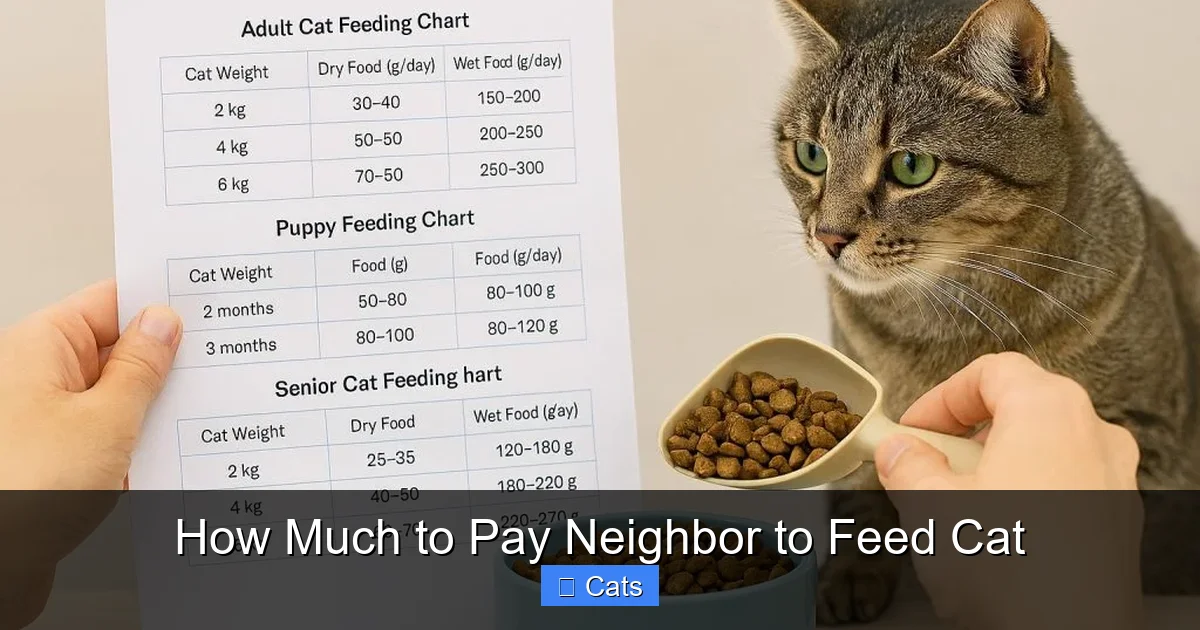
Visual guide about How Much to Pay Neighbor to Feed Cat
Image source: petadvisorpro.com
Gift Cards and Tokens of Gratitude
If you don’t want to pay cash, consider a gift card to a local coffee shop or a grocery store they frequent. A $50 gift card for a week-long trip is a lovely gesture. Alternatively, you can bring back a thoughtful souvenir from your travels. If you are going somewhere famous for wine or specialty treats, grabbing something unique for your neighbor shows that you were thinking of them while you were away.
The “Return the Favor” Strategy
The most sustainable way to manage pet care is to trade favors. If you often ask how much to pay neighbor to feed cat, consider flipping the script. Offer to watch their dog, feed their fish, or take in their mail the next time they travel. This keeps the relationship balanced and creates a helpful community dynamic. It removes the pressure of currency and builds a stronger bond between you and your neighbor.
Setting Clear Expectations Before You Leave
The secret to a good pet-sitting arrangement isn’t just about the money; it is about communication. Before you head to the airport, sit down with your neighbor and be very clear about what you need. When you wonder how much to pay neighbor to feed cat, remember that a neighbor who feels prepared is a neighbor who is much happier to help.
Create a Simple “Cat Care Cheat Sheet”
Write down everything. Include the brand of food, the exact portion size, the location of the cat carrier, and the contact information for your veterinarian. Even if you think they know your cat well, having a physical list prevents anxiety. When you hand them this list, you are essentially telling them, “I trust you, and I want this to be as easy for you as possible.”
Handling Unexpected Situations
Discuss the “what-ifs” before you go. What happens if the cat hides and won’t come out? What happens if they notice something wrong with the cat’s health? By having a plan for these scenarios, you reduce the pressure on your neighbor. If they have to deal with an emergency, be prepared to pay them a “bonus” for their trouble. It is always better to over-communicate than to leave them guessing.
How Location and Frequency Impact Cost?
Your local economy plays a huge role in how much to pay neighbor to feed cat. If you live in a high-cost-of-living area, your rates should naturally trend higher. Conversely, if you live in a rural area where costs are lower, your compensation will reflect that environment. Don’t feel pressured to match high city rates if they don’t align with your local cost of living.
The Frequency Factor
Do you need them to come over twice a day? If you are asking for two visits daily, you should essentially double your per-visit rate. Twice-daily visits require a much larger commitment from your neighbor, effectively tying them to their home during your absence. Always keep their schedule in mind. If you are asking them to come over at specific times, you are asking for more than just a quick chore; you are asking for their time, which is valuable.
Calculating Total Trip Costs
If you are gone for a long period, say two weeks, you might want to offer a “flat rate” for the trip. For example, if you would normally pay $20 per day for ten days, offering $180 as a total package can feel like a solid, fair deal for both of you. It makes the accounting simple and creates a clear end-point for the favor.
The Etiquette of Asking and Offering
Asking a neighbor to watch your cat can feel like a big favor. Start the conversation early. Never drop the request on them the day before you leave. When you ask, be upfront about the fact that you want to compensate them.
The Conversation Starter
Try saying, “I’m going to be away for a few days, and I’m looking for someone to check in on my cat. I’d love for it to be you because I trust you, and of course, I’d like to pay you for your time. Would you be open to that?” This approach is respectful, clear, and takes the awkwardness out of the negotiation phase.
Accepting a Refusal
What if they say no? Don’t take it personally. They might have a busy work schedule, travel plans of their own, or simply be uncomfortable with the responsibility of pet care. Thank them for considering it, and move on. If they offer to do it for free, try to insist on a small gift or a meal as a token of your appreciation anyway. It’s good practice to ensure the relationship stays positive.
Conclusion: Keeping the Friendship Strong
Ultimately, determining how much to pay neighbor to feed cat is about finding a balance that feels right to both of you. In 2026, we value our time more than ever, so acknowledging that effort with fair pay or a thoughtful gesture is the best way to maintain a good relationship. Whether you choose cash, a gift, or a trade of favors, the goal is to make sure your neighbor feels valued for the important job they are doing.
Remember that your cat is a family member. When you leave them in the care of someone you know and trust, you are buying peace of mind. That peace of mind is worth a lot. Treat your neighbor with respect, provide them with all the info they need, and you will be able to enjoy your travels knowing your feline friend is in the best possible hands.
Frequently Asked Questions
Is it okay to offer a gift instead of cash?
Yes, many neighbors prefer a gift card, a nice bottle of wine, or a souvenir from your trip. It keeps the relationship feeling friendly rather than transactional, provided the value of the gift matches the effort requested.
How early should I ask my neighbor to watch my cat?
Try to ask at least two weeks before your trip, especially if you are traveling during a holiday season. This gives your neighbor plenty of time to consider the commitment and arrange their own schedule.
Should I pay for the cat’s food and supplies?
Absolutely. You should always provide all the necessary food, litter, and supplies before you leave. Your neighbor should never have to spend their own money on your pet.
What if my neighbor refuses to take any payment?
If they insist on doing it for free, do not force cash on them. Instead, show your appreciation by bringing them a thoughtful “thank you” gift when you return or by offering to help them out with a project of their own.
How do I handle payment if I am gone for an extended time?
For trips longer than a week, a flat-rate payment or a weekly stipend is often the most convenient method. Discuss the total amount at the beginning so both parties are in agreement before you depart.
Should I pay extra if my neighbor is also watching my house?
Yes, if you are asking them to water plants, collect mail, or handle security checks, that is an extra service. Consider adding a small bonus or a larger gift card to account for the additional responsibility.