

Introduction
In the United States, a bird that squawks at night is often an owl, especially a Barred Owl, Eastern Screech-Owl, or Great Horned Owl. However, other night callers can include Northern Mockingbirds, Common Nighthawks, Killdeer, and night herons.
“Squawk” is a general word, not a scientific bird-call type. The sound may be a hoot, scream, bark, rattle, croak, or sharp alarm note. The bird’s location, call pattern, season, and habitat can help you identify it.

Birds That Commonly Squawk at Night in the United States
The most likely bird depends on where you live and what the sound resembles. Use the table below as a starting point.
| Bird | Typical night sound | Where you may hear it | Main clue |
|---|---|---|---|
| Barred Owl | Hoots, chuckles, yells, and harsh calls | Wooded neighborhoods, forests, parks | “Who cooks for you?” rhythm |
| Eastern Screech-Owl | Trill, whinny, rasp, or descending cry | Eastern woodlands, suburbs, farms | Small owl with varied calls |
| Great Horned Owl | Deep hoots, barks, and screams | Woodlands, open land, city edges | Low, powerful voice |
| Northern Mockingbird | Long series of copied songs and harsh notes | Lawns, towns, suburbs | Repeats many sounds |
| Common Nighthawk | Nasal “peent” calls and wing booms | Open fields, rooftops, city skies | Often heard while flying |
| Killdeer | Sharp, repeated “kill-deer” call | Mudflats, fields, parking lots, shorelines | May call during migration |
| Black-crowned Night-Heron | Short, harsh croaks | Marshes, ponds, rivers, coastal areas | Wetland bird with a rough voice |
The Barred Owl is one of the best matches for a loud, strange nighttime call in wooded parts of the eastern and central United States. Its voice may sound like a mix of hooting, laughing, barking, and yelling.
The Eastern Screech-Owl is smaller but can sound surprisingly harsh. Its calls include a steady trill, a descending whinny, and raspy notes. In the western United States, the Western Screech-Owl fills a similar role in dry woodlands, canyons, and suburban areas.
Why Do Birds Make Noise at Night?
Birds call at night for the same basic reasons they call during the day: to find a mate, defend a territory, contact a partner, warn of danger, or communicate with young.
Owls are especially active after dark because they hunt at night. A male and female may call to one another, or an owl may announce ownership of a territory. Young owls can also make loud begging calls when they want food.
Some birds are active at night only during certain times of year. Migration can bring unusual calls to your neighborhood. Birds may also call when artificial lights, loud noise, predators, or people disturb them.
A bird that calls once or twice may simply be passing through. A bird that calls for hours in the same place may be defending a nearby nest or roost.

The Most Likely Answer: Barred Owl
If the sound is loud, deep, and repeated from a wooded area, a Barred Owl is a strong possibility. The classic call is often written as:
“Who cooks for you? Who cooks for you-all?”
The call does not always sound clear. A Barred Owl may also make:
- Harsh hoots
- Rattling noises
- Bark-like calls
- Loud screams
- Chattering or laughing sounds
- Soft contact calls between mates
Barred Owls live across much of the eastern United States and parts of the Pacific Northwest. They use mature forests, wooded parks, swamps, and tree-lined neighborhoods.
Their calls can sound close even when the owl is high in a tree. At night, sound also carries well across quiet yards and streets. This can make the bird seem larger or nearer than it is.
Barred Owl or something else?
A Barred Owl usually calls in a phrase or series. The notes may rise and fall, and the bird often repeats the pattern after a pause. A single sharp scream is less typical than a mixed series of hoots, laughs, and rattles.
The Cornell Lab of Ornithology describes the Barred Owl as a common owl of mature forests. Its species page includes recordings and range information that can help confirm an identification.
Other Owls That May Sound Like a Squawk
Eastern Screech-Owl
The Eastern Screech-Owl is common in the eastern half of the United States. It often lives near people and may use nest boxes, tree cavities, parks, orchards, and suburban yards.
Its main calls do not sound like the deep hoot many people expect from an owl. You may hear:
- A trembling trill
- A descending whinny
- A raspy screech
- Short barks or sharp notes
This small owl can be hard to see because it blends into tree bark. If the sound seems to come from a small wooded lot or backyard, an Eastern Screech-Owl is possible.
Great Horned Owl
The Great Horned Owl has a deep, steady hoot. It may also produce barks, screams, growls, and other rough sounds.
This large owl occurs across much of the United States. It uses forests, farmland, deserts, grasslands, parks, and suburban areas. Because it is powerful and widespread, it may be the source of a loud call near open land or a city edge.
Great Horned Owls often begin calling around dusk and may continue through the night. Pairs sometimes call back and forth. Their calls are usually deeper and more regular than the varied voice of a Barred Owl.
Western Screech-Owl
In the western United States, a Western Screech-Owl may be responsible for a nighttime squawk. It uses deserts, oak woodlands, river corridors, suburbs, and wooded canyons.
Its calls can include a series of hoots, a bouncing-ball sound, and sharp notes. The exact call varies by individual and situation, so habitat and range matter.
Barn Owl
Barn Owls are found across much of the United States, especially in open country, farms, grasslands, and areas with barns or old structures. Their most famous call is not a hoot. It is a long, piercing scream.
A Barn Owl may be the answer if the sound is:
- High and harsh
- Drawn out
- More like a scream than a hoot
- Coming from a barn, silo, church, or open field
Non-Owls That Call at Night
Owls get most of the attention, but they are not the only birds that make loud sounds after dark.
Northern Mockingbird
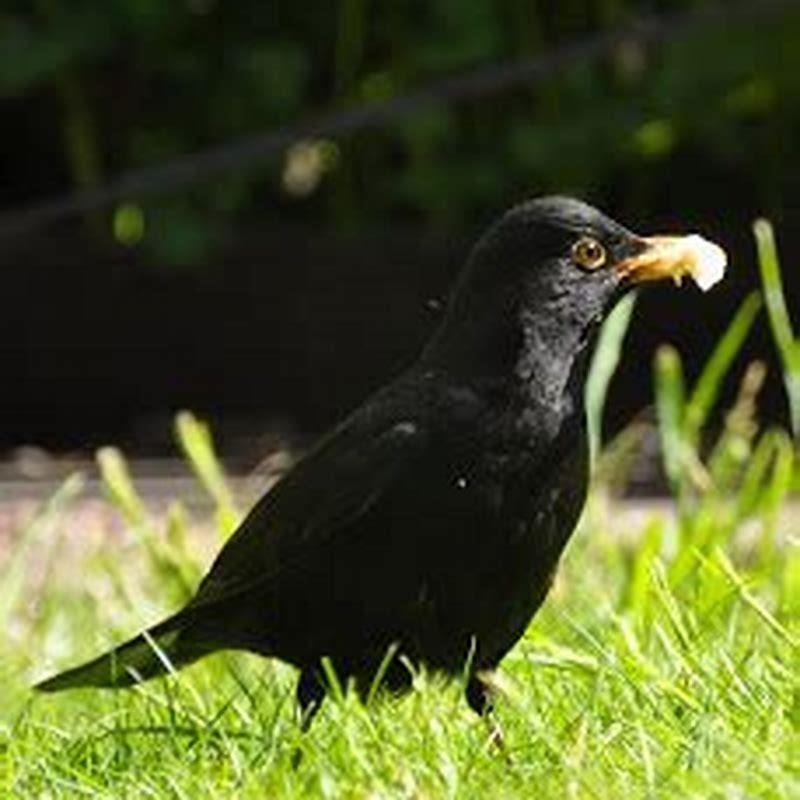
A Northern Mockingbird may sing at night, especially during spring and summer. Males sometimes sing after dark when exposed to bright outdoor lights or when they are unmated.
Mockingbirds copy sounds from other birds, animals, alarms, and mechanical devices. Their song may include many short phrases with repeated notes. A nighttime mockingbird often sounds like several different birds taking turns.
If the call comes from a rooftop, telephone wire, shrub, or well-lit yard, consider a Northern Mockingbird.
Common Nighthawk
The Common Nighthawk is active at dusk, dawn, and sometimes during the night. It often flies over open areas while making a nasal “peent” call.
You may also hear a low booming sound caused by air moving through the bird’s wing feathers during a dive. This is not a vocal squawk, but it can surprise people.
Look up if you hear repeated nasal notes above:
- Open fields
- Parking lots
- Cities
- Airports
- Forest clearings
- Grasslands
Killdeer
Killdeer are shorebirds that often live far from the shore. They use gravel lots, rooftops, fields, construction sites, and muddy areas.
Their call is a sharp, repeated “kill-deer” or “dee-dee-dee.” They may call at night during migration or when disturbed near a nest.
A Killdeer is more likely than an owl if the sound is high, clear, and repetitive, especially in an open area with little tree cover.
Black-Crowned Night-Heron
The Black-crowned Night-Heron is a stocky wetland bird with a rough, short call. It may sound like a croak or squawk.
Look for this bird near ponds, marshes, rivers, city lakes, and coastal wetlands. It is most likely in the eastern, southern, and western coastal parts of the United States.
The Yellow-crowned Night-Heron can also make harsh calls near wetlands, although its range and habitat differ.
How to Identify the Bird by Its Sound
You can often narrow down the bird without seeing it. Focus on five details: pitch, rhythm, location, timing, and repetition.
1. Listen to the pitch
- Deep and slow: Great Horned Owl or Barred Owl
- High and piercing: Barn Owl or a distressed bird
- Nasal and short: Common Nighthawk
- Clear and repeated: Killdeer
- Mixed and musical: Northern Mockingbird
- Short and croaking: Night heron
Pitch can change with distance. Use it as a clue, not proof.
2. Count the notes
Ask whether the sound is:
- One long scream
- A two-part phrase
- A steady trill
- Several notes repeated at equal intervals
- A long chain of copied sounds
A repeated phrase often points to an owl or Killdeer. A changing chain of phrases is more typical of a mockingbird.
3. Note the habitat
Habitat can remove many possibilities.
- Dense woods: Barred Owl or screech-owl
- Open farm country: Barn Owl, Great Horned Owl, or Killdeer
- Ponds and marshes: Night heron or owl
- Suburban yard: Mockingbird, screech-owl, or Great Horned Owl
- Open sky above a city: Common Nighthawk
4. Check the season
Bird calls change with breeding and migration. Owls may call more during courtship and territory defense. Mockingbirds often sing more during breeding season. Nighthawks and many shorebirds may appear during migration.
5. Record the sound
A short recording can help. Stand still, reduce nearby noise, and record from a safe distance. A phone recording may not capture low notes well, so do not assume an app result is correct.
The Merlin Bird ID app from the Cornell Lab of Ornithology can suggest birds from sound recordings. Treat the result as a lead. Confirm it with the bird’s range, habitat, call pattern, and time of year.

A Quick Night-Bird Identification Guide
Use this guide when you need a fast answer.
The sound is a deep “who-who” or “who cooks for you” phrase.
It is likely a Barred Owl or another large owl.
The sound is a long, rising or falling scream.
Consider a Barn Owl, Great Horned Owl, or a bird in distress.
The sound is a rough trill or descending whinny from a backyard tree.
An Eastern Screech-Owl is a good possibility.
The sound includes many copied bird songs.
A Northern Mockingbird may be singing at night.
The sound is a short nasal note from above.
Listen for a Common Nighthawk.
The sound is a sharp “kill-deer” from a field or parking lot.
A Killdeer may be nearby.
The sound is a short croak near water.
A night heron is more likely.
No sound guide can identify every bird with certainty. Individual birds vary, recordings distort pitch, and several species may share the same habitat.
Is a Bird Squawking at Night a Sign of Trouble?
Usually, no. Night calling is normal for many bird species. An owl may be hunting or defending its territory, while a mockingbird may be singing under a porch light.
A call may deserve closer attention when you also see:
- A bird sitting on the ground and unable to fly
- Repeated collisions with a window
- A bird caught in string, netting, or wire
- A parent bird repeatedly alarm-calling near a person or pet
- A bird with an injured wing or visible bleeding
- A nestling in immediate danger
Do not handle a wild bird unless it is necessary to move it from immediate danger. Keep pets and children away. Contact a licensed wildlife rehabilitator through your state wildlife agency or the National Wildlife Rehabilitators Association.
Do not play loud bird calls to lure an owl or other bird closer. Playback can disrupt feeding, nesting, and territorial behavior. It may also attract a bird toward roads, pets, or people.
Why the Sound May Seem Louder at Night
Night sounds often seem louder because there is less traffic, conversation, and wind. Cool, stable air can also allow sound to travel across a neighborhood.
Trees, buildings, and hills can reflect a call. This creates an echo or makes the source seem to move. A bird may be calling from a distant tree while the reflected sound reaches your window.
Artificial light can change bird behavior. Bright lights may cause some birds to sing or call at unusual times. A mockingbird under a streetlamp is one example.
The bird may also be closer than it seems. Owls can sit quietly in darkness, and their calls can travel farther than their bodies are visible.
Common Mistakes When Identifying a Night Bird
Assuming every night call comes from an owl
Owls are common night callers, but mockingbirds, nighthawks, Killdeer, and night herons also make noticeable sounds after dark.
Relying on one sound spelling
Words such as “hoot,” “squawk,” and “screech” describe human impressions. They do not identify a species. Listen to the full pattern instead.
Ignoring location
A deep call in a forest and a sharp call over a marsh may come from very different birds. Habitat is one of the strongest clues.
Trusting an app without checking its result
Sound-identification tools can make mistakes because of traffic, echoes, wind, overlapping calls, and poor recordings. Use them to create a shortlist, not as final proof.
Approaching a nest or roost
A loud call does not mean the bird needs help. Keep your distance, especially during breeding season. Watch from indoors or from a path, and avoid shining lights into trees.
Frequently Asked Questions
What bird makes a loud squawking sound at night?
A Barred Owl is one of the most likely answers in wooded parts of the eastern and central United States. A Barn Owl, Great Horned Owl, Northern Mockingbird, Killdeer, or night heron may also make a loud nighttime call.
What bird sounds like a person screaming at night?
Barn Owls are well known for their long, piercing screams. Great Horned Owls and other owls can also make scream-like calls. A distressed bird, fox, or other animal may create a similar sound, so the sound alone is not conclusive.
Why is a bird calling outside my window at night?
The bird may be defending territory, seeking a mate, contacting a partner, feeding young, or reacting to outdoor lights. A nearby tree, roof, or lighted yard can make the call seem especially loud.
Do mockingbirds squawk at night?
They can. Northern Mockingbirds may sing and make harsh notes after dark, especially in spring and summer or near bright lights. Their varied song may include sounds copied from other birds and mechanical sources.
Are owls dangerous to people?
Owls usually avoid people. They can defend a nest or young, however. Do not approach an owl, corner it, shine lights at it, or try to touch it. Keep small pets supervised in areas where large owls are active.
Conclusion
The bird most likely to squawk at night in the United States is often a Barred Owl, especially near mature woods. But the sound could also come from a screech-owl, Great Horned Owl, Barn Owl, Northern Mockingbird, Common Nighthawk, Killdeer, or night heron.
Start with the sound pattern, then check habitat, season, and location. Record the call if you can do so without disturbing the bird, and use a trusted field guide or sound tool to confirm the result. Keep your distance unless the bird shows clear signs of injury or immediate danger.
For further identification, compare recordings and range maps from the Cornell Lab of Ornithology, National Audubon Society, and your state wildlife agency.