
Introduction
For gardeners and houseplant owners in the United States, a bird of paradise plant can live for many years. With bright light, warm temperatures, good drainage, and steady care, an indoor Strelitzia can often remain healthy for 10 to 20 years or longer. Outdoor plants in suitable parts of the U.S. may live for decades.
The exact lifespan depends on the species, climate, pot size, watering habits, winter conditions, pests, and whether the plant grows indoors or outdoors. The name can also cause confusion: “bird of paradise” may mean the tropical plant or an actual bird species.

How long does a bird of paradise plant live?
A healthy bird of paradise plant can live 10 to 20 years indoors and potentially several decades outdoors in a suitable climate. There is no single maximum age for every plant because the term covers several related species and growing conditions.
The most common houseplant species are:
- Strelitzia reginae, the orange-flowered bird of paradise
- Strelitzia nicolai, the large white-flowered or giant bird of paradise
Both are long-lived, clumping perennial plants. They grow from underground rhizomes, which are thick stems that produce roots, leaves, and new shoots. This growth habit helps the plant recover from the loss of an old leaf or stem.
A plant may look less attractive after many years if its roots become crowded, leaves split, or cold weather causes damage. That does not always mean the plant is dying. A healthy root system can continue producing new leaves when conditions improve.
Typical bird of paradise lifespan
| Growing conditions | Reasonable lifespan expectation |
|---|---|
| Indoor plant with steady care | 10–20 years or longer |
| Outdoor plant in a warm U.S. climate | Several decades may be possible |
| Outdoor plant exposed to repeated freezes | Often much shorter |
| Poorly drained soil or repeated overwatering | May decline within a few years |
| Plant grown from a small seedling | May take several years to mature |
These ranges are practical estimates, not guaranteed biological limits. A plant’s true age can be hard to confirm, especially when it has been divided or propagated from a mature clump.
The Missouri Botanical Garden and university extension resources describe bird of paradise as a long-lived tropical perennial when grown in suitable conditions. They also stress that it needs warmth, light, moisture control, and protection from frost.

What affects a bird of paradise plant’s lifespan?
Light, temperature, water, soil, and root health have the greatest effect on how long a bird of paradise lives. A plant that receives the right care may keep producing leaves for decades, while one exposed to cold or wet roots can decline quickly.
Light
Bird of paradise plants need bright light for strong growth. Indoor plants usually do best near a sunny south- or west-facing window in the United States.
A plant can survive in lower light, but it may:
- Grow slowly
- Produce smaller leaves
- Lean toward a window
- Develop weak leaf stems
- Fail to flower
- Hold wet soil for too long
Acclimate a plant slowly if you move it from a dim room into strong direct sun. A sudden change can cause leaf scorch.
temperature
bird of paradise plants prefer warm conditions. Indoor temperatures that feel comfortable to people are usually suitable, but cold drafts can harm the leaves.
Protect the plant from:
- Temperatures near freezing
- Frost
- Cold windows
- Air-conditioning vents
- Sudden winter temperature changes
Outdoor hardiness varies by species and local conditions. In the continental United States, long-term outdoor growth is most reliable in warm parts of Florida, coastal areas, southern California, Hawaii, and other frost-free locations. Even in these regions, an unusual freeze can damage the foliage.
Water and drainage
Overwatering is one of the most common causes of early decline. Bird of paradise plants need regular moisture during active growth, but their roots also need air.
Water when the upper few inches of soil have dried. Then water thoroughly until excess moisture drains from the pot. Empty any saucer so the roots do not sit in water.
Poor drainage can lead to:
- Yellow leaves
- Soft or dark roots
- A sour soil smell
- Wilting despite wet soil
- Fungus gnat activity
- Slow or stopped growth
Underwatering can also cause stress. Brown leaf edges, curling leaves, and a dry root ball may indicate that the plant is not receiving enough water.
Soil and pot size
Use a loose, well-drained potting mix. A container must have drainage holes. Heavy soil that stays wet for long periods can shorten the plant’s life even when the watering schedule seems reasonable.
Do not move the plant into a much larger pot without a reason. Excess soil holds more water around the roots and can raise the risk of root rot. Repot when roots circle the container, emerge from drainage holes, or cause the plant to dry out unusually fast.
Fertilizer
Bird of paradise plants grow best when they receive nutrients during the growing season. Follow the label of a balanced houseplant fertilizer and avoid applying more than directed.
Too much fertilizer can damage roots and leave salt deposits in the soil. Flush the pot with clean water from time to time if the plant is watered with hard water or if white mineral buildup appears on the soil.
How to help a bird of paradise live longer
The best way to extend a bird of paradise’s life is to copy its basic needs: bright light, warm air, free-draining soil, and steady but not excessive water.
Follow this care routine:
- Place it in bright light. Give an indoor plant several hours of strong filtered or direct light after it has adjusted.
- Check the soil before watering. Do not water by calendar alone.
- Use a pot with drainage holes. Never keep the root ball in standing water.
- Keep it away from cold drafts. Move outdoor plants indoors before frost when possible.
- Clean dusty leaves. Wipe large leaves gently with a damp, clean cloth.
- Inspect for pests. Check the undersides of leaves for scale, spider mites, and mealybugs.
- Prune damaged leaves correctly. Remove dead or badly damaged leaves at the base with clean tools.
- Repot only when needed. A slightly root-bound plant may still grow well.
- Feed during active growth. Reduce or stop fertilizer during periods of slow winter growth.
- Rotate indoor plants. Turn the container every week or two so growth stays more even.
How often should you repot a bird of paradise?
Many bird of paradise plants need repotting every few years, but there is no fixed schedule. A fast-growing plant in bright light may fill its container sooner than one in a dim room.
Repot when:
- Water runs straight through the pot because roots fill the soil
- Roots circle tightly around the root ball
- The container tips because the plant is top-heavy
- Growth slows despite good light and care
- The soil breaks down or stays wet for too long
Choose a pot only one size larger unless the roots are severely crowded. Repotting into an oversized container can create wet soil and root problems.
Should you divide an old bird of paradise?
You can divide a mature clump when it has several healthy shoots and a strong root system. Division may produce new plants, but it also causes stress and can slow growth for a season.
Divide during active growth when possible. Each section should have:
- At least one healthy shoot
- Several roots
- A firm rhizome
- No signs of rot
Do not divide a weak or recently damaged plant. Allow it to recover first.
How long does it take for a bird of paradise to mature?
A bird of paradise may take several years to reach a mature size, especially when grown from seed. Nursery plants are often already established, so they may appear to mature faster after purchase.
Growth speed depends on:
- Species
- Age and starting size
- Light levels
- Temperature
- Water and fertilizer
- Pot space
- Whether the plant grows indoors or outside
Strelitzia reginae is usually smaller and more compact. Strelitzia nicolai can become much larger, especially outdoors in warm climates. A giant bird of paradise may eventually need a large room, greenhouse, patio, or garden bed.
A mature plant does not need to flower to be healthy. Indoor plants may produce leaves for years without blooming because flowering requires strong light, maturity, and suitable seasonal conditions.
When do bird of paradise plants flower?
Bird of paradise plants usually flower only after they reach maturity and receive enough light. Outdoor plants in warm, bright climates are more likely to bloom than indoor plants.
Poor flowering may result from:
- Too little light
- A young plant
- Excess nitrogen fertilizer
- Cold conditions
- Root disturbance
- Lack of seasonal growth changes
Avoid forcing flowers with excess fertilizer. This can damage the roots without solving the real problem.

How can you tell if a bird of paradise is dying?
A bird of paradise may be stressed without being dead. Check the roots and growing center before discarding the plant.
Signs of a living but stressed plant
- Leaves are brown at the edges
- Leaves are split from wind or low humidity
- Growth has stopped during winter
- Older leaves are yellowing
- The plant droops after the soil dries
- A few leaves have cold damage
These problems may improve when the cause is corrected.
Signs of severe decline
- The base feels soft or collapses
- Roots are black, mushy, or foul-smelling
- The crown pulls away from the soil
- New growth turns dark and rots
- All stems are soft after a freeze
- No firm tissue remains in the rhizome
To check a damaged plant, remove it from the pot and inspect the roots. Firm, pale roots and a solid rhizome offer a better chance of recovery. Cut away rotten tissue with a clean tool, then repot the healthy part in fresh, well-drained mix.
Do not keep watering a plant simply because its leaves are wilted. Wilt can result from both dry soil and damaged roots.
Can bird of paradise plants live outside in the United States?
Bird of paradise plants can live outside year-round in warm, frost-free parts of the United States. In colder regions, they usually need to grow in containers and move indoors before freezing weather.
Outdoor success depends on the local microclimate. A sheltered courtyard may stay warmer than an exposed yard. Cold air, wind, wet soil, and frost can all increase damage.
Before planting outdoors, consider:
- Your USDA hardiness zone
- Local frost dates
- Winter wind exposure
- Soil drainage
- Summer heat
- Access to bright light
- Space for mature growth
A plant that survives one cold night may still suffer delayed damage. Wait several days before pruning frost-damaged foliage because green tissue may remain beneath the damaged surface.
Indoor versus outdoor lifespan
Outdoor plants often grow faster because they receive stronger light and more room for their roots. Indoor plants may live just as long, but they usually need closer attention to light, water, pests, and pot size.
| Factor | Indoor plant | Outdoor plant |
|---|---|---|
| Light | Can be limited by windows | Usually stronger |
| Temperature | Easier to control | Exposed to weather |
| Root space | Limited by container | Often greater |
| Pest exposure | Lower but still possible | Often higher |
| Freeze risk | Low if kept indoors | High outside suitable zones |
| Mature size | Usually restricted | May become very large |
The practical choice is simple: grow the plant outdoors only where winter conditions are safe, and bring container plants inside before frost.
How long do birds of paradise birds live?
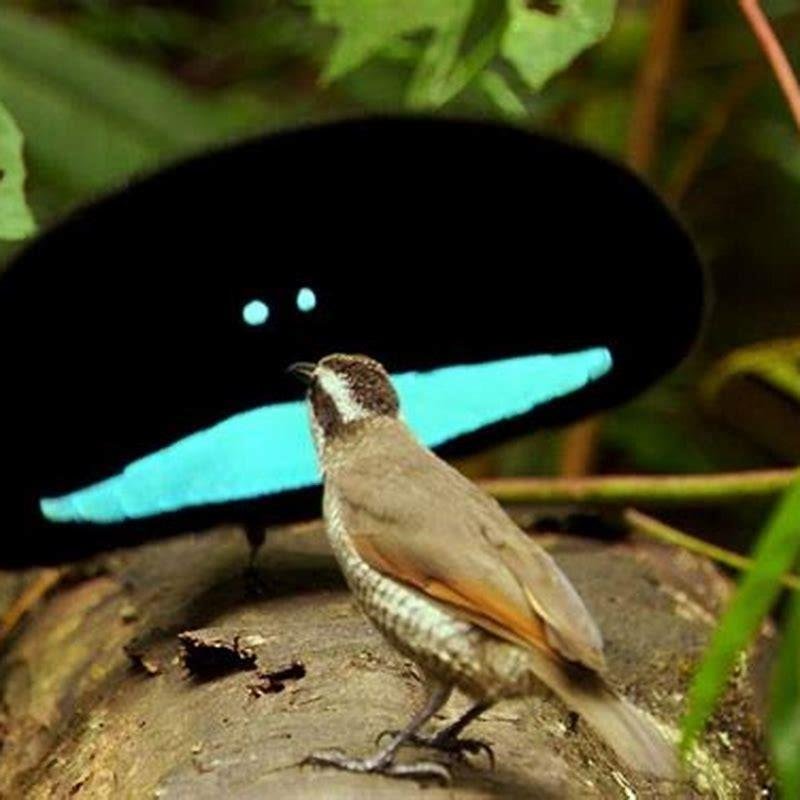
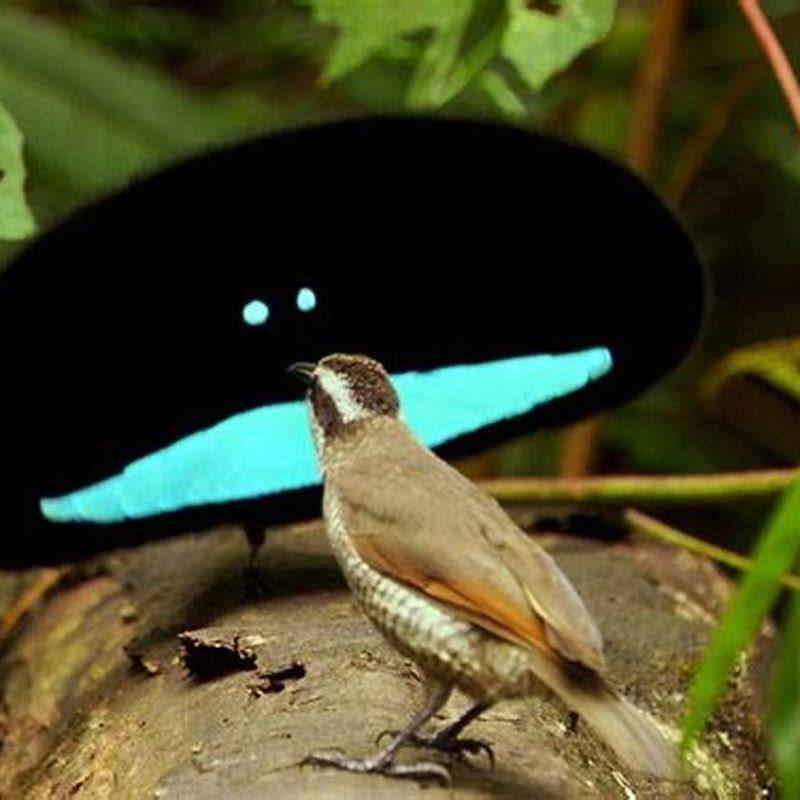
If you mean the bird, rather than the plant, lifespan depends on the species. “Birds-of-paradise” are a family of birds in the family Paradisaeidae, native mainly to New Guinea and nearby areas.
There is no single lifespan for the entire family. Some species have limited long-term data because they live in remote forests and are difficult to study. Lifespan may also differ between wild birds and birds kept under managed care.
For a specific bird, use the species name when checking lifespan information. A bird-of-paradise species should not be confused with:
- The bird of paradise plant
- The greater bird-of-paradise
- The lesser bird-of-paradise
- The superb bird-of-paradise
- The king of Saxony bird-of-paradise
Reliable records for wild tropical birds are not always complete. Avoid applying the lifespan of one bird species to every bird-of-paradise species.
Is bird of paradise poisonous to pets?
Bird of paradise plants can cause illness if pets chew or swallow parts of the plant. The ASPCA lists Strelitzia reginae as toxic to dogs, cats, and horses, with possible signs such as nausea, vomiting, and drowsiness.
Keep the plant away from pets that chew leaves or flowers. If a pet eats part of the plant, contact a veterinarian or an animal poison service promptly. Do not induce vomiting unless a professional tells you to do so.
The plant’s large leaves can also create a physical hazard for pets and small children if the container tips.
Common mistakes that shorten a bird of paradise’s life
Several care mistakes can cause long-term damage even when the plant receives enough fertilizer.
Watering on a fixed schedule
A calendar cannot account for changes in light, temperature, pot size, or humidity. Test the soil before watering instead.
Keeping the plant in a dim room
Low light slows water use. If you continue watering as often as you would in bright light, the soil may remain wet and roots may rot.
Using a pot without drainage
A decorative container without drainage can trap water around the roots. Use a nursery pot with holes inside the decorative pot, and empty collected water.
Moving the plant into harsh sun too quickly
Leaves grown indoors are not ready for sudden intense outdoor sun. Increase exposure over several days or weeks.
Cutting every split leaf
Bird of paradise leaves often split naturally, especially in wind or dry indoor air. Remove a leaf only when it is mostly dead, badly damaged, or diseased.
Overfertilizing
More fertilizer does not always mean more growth. Excess salts can burn roots and damage leaf edges.
Ignoring pests
Scale, mealybugs, and spider mites can weaken a plant slowly. Early treatment is easier than trying to save a heavily infested plant.
Frequently asked questions
Can a bird of paradise live for 20 years?
Yes. A well-cared-for bird of paradise can live for 20 years or longer, especially when it receives strong light, warm temperatures, and well-drained soil. Some outdoor specimens may remain productive for several decades.
How long does a potted bird of paradise live?
A potted bird of paradise can live 10 to 20 years or more. Its lifespan depends on container drainage, root space, light, watering, temperature, and pest control. A pot does not automatically limit the plant to a short life.
Do bird of paradise plants come back after winter?
They may recover after mild cold damage if the roots and crown remain firm. Severe frost can kill leaves or the entire plant. Wait until the danger of additional freezing has passed before pruning damaged growth.
Should I cut off brown leaves?
Remove a leaf if it is mostly brown, dead, or badly damaged. If only the edge is brown, trim the damaged part for appearance but correct the underlying cause, such as dry soil, low humidity, salt buildup, or too much direct sun.
Why is my bird of paradise not growing?
Slow growth may result from low light, cold temperatures, root problems, underwatering, overwatering, pests, or normal winter dormancy. Check light and roots first because those factors often explain more than fertilizer does.
Conclusion
A bird of paradise plant is a long-term houseplant, not a short-lived seasonal decoration. With proper light, warm conditions, careful watering, and good drainage, it can live 10 to 20 years or longer indoors and may survive for decades outdoors in a suitable U.S. climate.
The best next step is to check three things today: the amount of light, the moisture level of the soil, and whether excess water can drain from the pot. Those checks reveal many of the problems that shorten a bird of paradise’s life.