
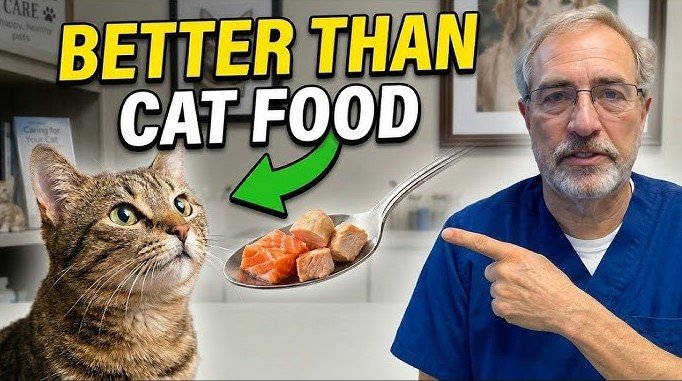
If you find yourself out of cat food unexpectedly, don’t panic. While you should prioritize specialized feline nutrition whenever possible, there are safe human food alternatives you can use temporarily to ensure your cat stays fed and healthy until your next trip to the store.
We have all been there. It is late at night, the store is closed, or perhaps a delivery was delayed, and you look into the pantry only to realize the last bag of kibble is empty. Your cat is looking at you with those wide, expectant eyes, and you feel that familiar pang of guilt.
You might wonder, what to feed cats when no cat food is around? It is a stressful situation for any pet parent, but the good news is that you can manage a short-term crisis with items likely already in your kitchen.
In 2026, we have access to better information than ever regarding feline nutrition. Understanding that cats are obligate carnivores is the first step in solving this puzzle. This means their bodies are biologically designed to process meat. They do not thrive on grains or vegetables alone. When you are in a pinch, your goal is to provide simple, safe, and protein-heavy foods that will satisfy their hunger without causing an upset stomach.
Key Takeaways
- Protein is Priority: Cats are obligate carnivores, so they need meat to survive. Cooked, unseasoned chicken or turkey is the best emergency option.
- Avoid Toxins: Never feed your cat onions, garlic, grapes, raisins, or chocolate, as these can be fatal even in small amounts.
- Skip the Dairy: Contrary to popular belief, most adult cats are lactose intolerant and milk can cause significant digestive upset.
- Portion Control: These alternatives are for emergencies only; they lack the specific vitamins like taurine that cats need for long-term health.
- Water is Vital: Always ensure your cat has access to fresh, clean water, especially when transitioning to new or human-grade foods.
The Golden Rules of Emergency Feeding
Before you start raiding your refrigerator, there are a few ground rules you must follow. Feeding a cat human food is not the same as sharing a snack. You are looking for pure, unadulterated ingredients. The simpler the food, the safer it is for your cat’s delicate digestive system.
Keep It Unseasoned
The biggest danger in human food is not the food itself, but the seasonings. Ingredients like onion powder, garlic, salt, and various spices are extremely toxic to cats. Even a small amount of onion can cause damage to their red blood cells. Always cook plain meat without butter, oil, or seasonings. If you are using canned chicken or tuna, make sure it is packed in water, not oil, and definitely not broth that contains onions or garlic.
Understand the Taurine Gap
While you might be able to fill their belly for 24 hours, remember that commercial cat food is fortified with taurine—an essential amino acid cats cannot produce on their own. Without taurine, cats can develop serious heart and eye issues over time. Since human food does not have these added nutrients, this is strictly a temporary measure. Think of it as a bridge to get them to the next supply run.
Best Protein Sources for Feline Emergencies
Since your cat is an obligate carnivore, protein is the number one thing you should reach for. If you have any plain, cooked meat in your house, that is your best friend. Chicken, turkey, and lean beef are the gold standards for emergency cat nutrition.
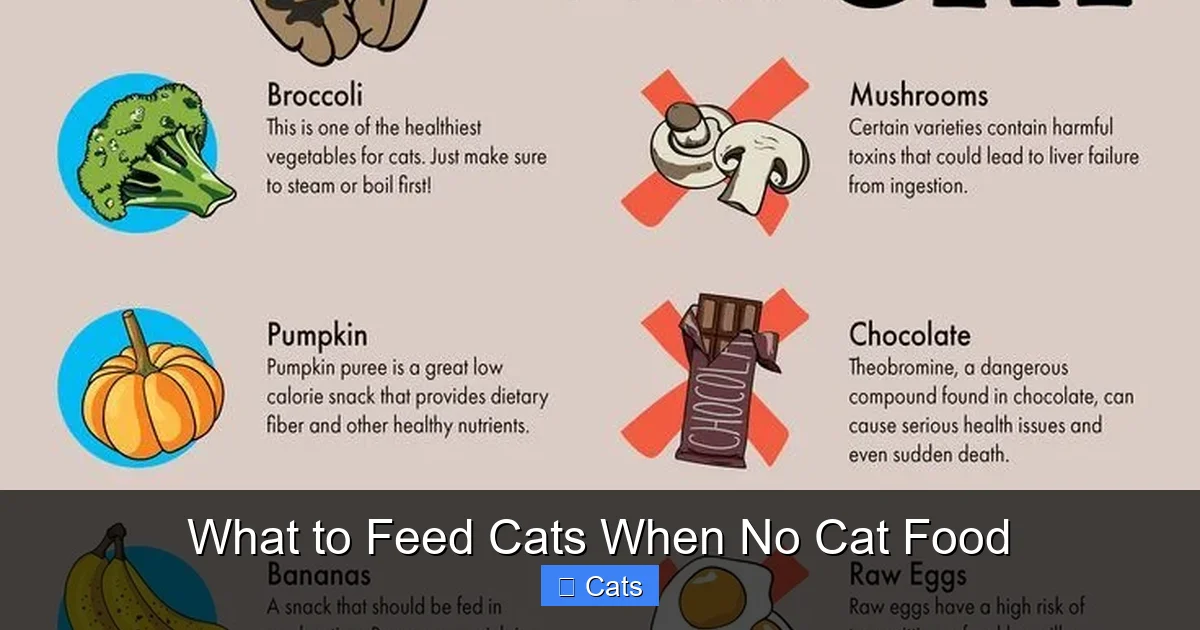
Visual guide about What to Feed Cats When No Cat Food
Image source: i.pinimg.com
Boiled Chicken Breast
Chicken breast is easily the safest and most readily available option. Boil a piece of plain chicken breast until it is cooked through. Let it cool completely. Shred it into small, manageable pieces. Avoid the skin, as it can be too fatty for some cats and may cause vomiting or diarrhea. Most cats find boiled chicken highly palatable and it is very gentle on their tummies.
Cooked Turkey or Lean Beef
Just like chicken, turkey is an excellent source of protein. Ensure it is not deli meat, which is often loaded with sodium and nitrates that are dangerous for pets. If you have ground beef, cook it until it is well-done and drain every bit of fat. High fat content is a recipe for pancreatitis in cats, so leaner is always better when it comes to emergency rations.
Safe Pantry Staples to Check
If you do not have fresh meat, check your pantry for canned items. You might be surprised at what is considered safe. However, read every label carefully. You are looking for one or two ingredients max: the protein and water.
Canned Tuna or Salmon
Most cats go crazy for the smell of fish. A small portion of canned tuna or salmon can be a great filler. As mentioned earlier, stick to varieties packed in water. Drain the liquid away, as canned liquid can contain high levels of salt. Do not make this a habit, as fish is not nutritionally complete for cats, but for a single meal, it will provide the energy they need.
Eggs as a Protein Booster
Eggs are a fantastic source of protein. You can feed your cat a scrambled egg, but keep it plain. No milk, no cheese, no butter. Whisk an egg and cook it in a non-stick pan without any fats. Once it is fully cooked and cooled, chop it up into small bites. Cats usually enjoy the texture, and it is a very digestible form of protein for them.
What to Avoid at All Costs?
Knowing what to feed cats when no cat food is available is just as much about knowing what to avoid. Some common human foods can be lethal to cats. It is better to have a slightly hungry cat for a few hours than a sick cat due to accidental poisoning.
Toxicity Warnings
Never, under any circumstances, feed your cat anything containing onions, garlic, chives, or leeks. These destroy red blood cells and cause anemia. Grapes and raisins are also off-limits, as they are linked to sudden kidney failure in cats.
Chocolate and caffeine are stimulants that can cause heart palpitations and seizures. Also, avoid anything with xylitol, an artificial sweetener found in some peanut butters and sugar-free snacks, as it is extremely toxic to pets.
Dairy Myths
Many cartoons show cats drinking bowls of milk. In reality, most adult cats are lactose intolerant. Milk can lead to significant diarrhea and stomach pain. If you are truly desperate, a tiny amount of plain, unsweetened yogurt might be tolerable for some cats, but it is not recommended as a meal replacement. Avoid standard cow’s milk entirely.
Portioning and Serving Tips
When you have decided on your emergency meal, think about how you serve it. A cat’s stomach is small, roughly the size of a ping-pong ball. Feeding them a massive feast can lead to discomfort. Stick to small, frequent meals if you have to stretch your human food supply over a longer period.
The Importance of Hydration
Changing a cat’s diet, even temporarily, can affect their water intake. Kibble is dry, while canned food is moist. If you are switching from kibble to boiled chicken, your cat might actually drink less water because the meat has higher moisture content. Still, always keep the water bowl filled. If you are feeding them something like plain rice (which some people use as a filler), ensure they are drinking plenty of water, as dry grains can lead to constipation.
Watch for Digestive Upset
Any sudden change in diet can lead to diarrhea. Do not be alarmed if their stool looks different for a day or two. However, if your cat shows signs of lethargy, vomiting, or stops eating entirely, you should contact a vet immediately. Emergency human food should be a bridge, not a permanent lifestyle change.
Returning to Normal Routine
Once you have secured cat food again, do not dump a giant bowl of the new food in front of them immediately. Their stomachs are sensitive. Transition them back to their normal cat food over the course of 24 to 48 hours.
The Gradual Transition
Start by mixing a small amount of their regular cat food with the human food you were using. Gradually increase the ratio of cat food over the next few meals. This prevents the shock to their digestive system and ensures they are getting back on their balanced, taurine-fortified diet as safely as possible.
By 2026 standards, prioritizing a slow return to normal food is the best way to avoid chronic stomach issues. In conclusion, when you find yourself asking what to feed cats when no cat food is available, remember that simple is best. Boiled chicken, cooked eggs, or water-packed fish are your safest bets for a short-term solution.
Always avoid seasonings, onions, garlic, and high-fat ingredients. Keep your cat hydrated, monitor their behavior, and get them back on their regular diet as soon as the stores reopen. With these simple tips, your feline companion will stay happy and healthy even during an unexpected pantry crisis.
Frequently Asked Questions
Is it safe to give my cat plain rice?
While plain, boiled white rice is not toxic, it provides very little nutritional value for a cat. It is essentially just a filler and should only be used in very small amounts mixed with a protein source if you are truly desperate.
Can I give my cat canned tuna?
Yes, you can give them a small amount of canned tuna in water as a one-time emergency meal. Make sure to drain all the water and avoid any tuna packed in oil or containing added flavorings.
Will my cat get sick if they miss a meal?
Healthy adult cats can generally skip a meal or two without serious health consequences. If your cat refuses to eat the human food you offer, don’t force them; just try to source proper cat food as soon as possible.
Is cooked chicken skin okay for my cat?
No, you should remove the skin before feeding chicken to your cat. The high fat content in the skin can trigger pancreatitis, which is a painful and potentially dangerous condition.
Can I feed my cat raw meat from the fridge?
It is generally safer to cook the meat. Raw meat can harbor bacteria like Salmonella or E. coli, which can make your cat very ill, especially if their immune system is not used to handling raw food.
What if my cat is on a special prescription diet?
If your cat requires a prescription diet for medical reasons, you must be extra careful. Emergency human foods might lack the specific nutrients they need or contain ingredients that could aggravate their condition; contact your vet for advice if you are out of prescription supplies.