
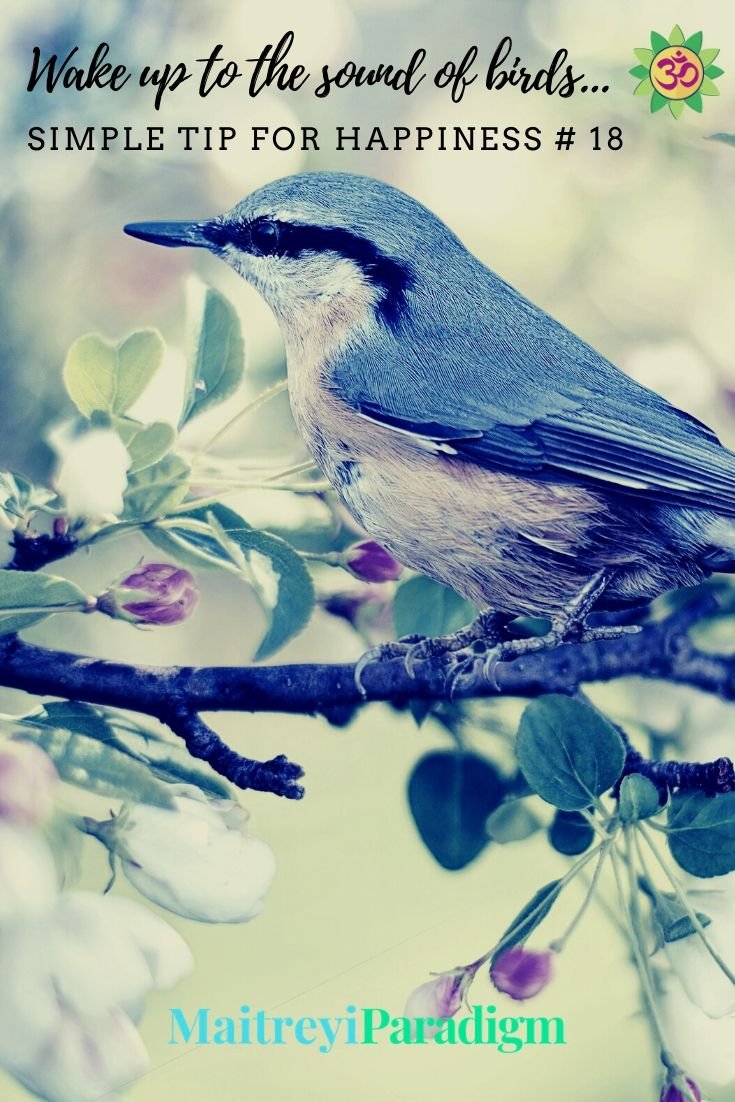
Birds chirp to share simple but useful messages. A chirp may mean “stay near,” “this is my space,” “danger is close,” “feed me,” or “I am looking for a mate.” The exact meaning depends on the bird species, sound, time, place, and body movements.
In the United States, a House Sparrow near a backyard feeder may use short chirps to keep contact with its flock. A Northern Cardinal may sing to defend its territory. A parent bird may use soft calls to guide young birds. The same sound can mean different things in different settings, so there is no single bird-to-human translation.

What Does a Bird Chirp Mean?
A bird chirp is usually a short vocal sound used for contact, warning, courtship, feeding, or territory. Birds do not use one universal language. Each species has its own sound patterns and social rules.
A single chirp may carry little information by itself. A series of chirps, changes in pitch, and the bird’s behavior can reveal more.
Common meanings of bird chirps
| Likely message | What the bird may be doing | Clues to watch |
|---|---|---|
| Contact | Keeping track of a mate, parent, or flock | The bird looks around or answers another bird |
| Alarm | Warning others about a threat | Sharp notes, frozen posture, tail flicking |
| Territory | Telling another bird to stay away | Repeated sound from a tree, roof, or fence |
| Courtship | Attracting or responding to a mate | Singing from a high perch, wing displays |
| Food request | Asking a parent or flock member for food | Open beak, wing fluttering, following another bird |
| Flock coordination | Helping a group stay together | Several birds call while moving |
| Stress or distress | Reacting to danger, capture, or conflict | Rapid calls, escape attempts, agitation |
These meanings are broad categories, not fixed translations. Ornithologists study the pattern of a sound, the bird’s behavior, and what happens before and after the call.
Bird Calls vs. Bird Songs: What Is the Difference?
Bird calls are usually short sounds used for immediate needs. Bird songs are often longer and more complex. The line is not perfect, but it helps explain why a bird may sound different at different times of day.
Bird calls
Calls often help birds manage daily life. They may:
- Warn of a hawk, cat, person, or rival bird
- Keep family members in contact
- Help a flock move together
- Ask for food
- Signal distress
- Defend a nest at close range
Many birds use calls throughout the year. A call can be brief and simple, but it may still carry important information.
Bird songs
Songs are often linked with breeding and territory. In many North American songbirds, males sing to attract mates and warn other males. Females may also sing, depending on the species and situation.
The American Robin, Northern Cardinal, Song Sparrow, and Carolina Wren are familiar examples. Their songs can sound musical to human ears, but the main purpose is not entertainment. The song may help a bird claim space or find a mate.
Why the terms can overlap
bird sounds do not always fit neat human categories. Some calls are complex. Some songs include short notes that sound like chirps. Young birds may also produce sounds that change as they learn from adults.
The best question is not only, “Is this a song or a call?” Ask, “What is the bird doing with this sound right now?”
Why Do Birds Chirp in the Morning?
Birds often chirp in the morning because dawn is a useful time to communicate. Sound can travel well when the air is cool and traffic, wind, and human activity are low. This period is known as the dawn chorus.
The dawn chorus is not one large conversation among all birds. Different species call and sing in their own patterns. A bird may use the quiet morning to defend a territory, find a mate, or contact nearby birds.
Morning light also helps birds begin daily activities. After a night of rest, they may need to find food, reconnect with a mate, or check the safety of a nesting area.
Why some birds chirp at night
Night chirping has several possible causes:
- A bird is disturbed by a predator or bright light
- A nocturnal species, such as an owl, is active
- A migrating bird is passing overhead
- A young bird is calling for a parent
- A bird has become trapped indoors
- Artificial light has changed the bird’s normal schedule
A Northern Mockingbird may sing at night, especially during the breeding season. Bright outdoor lights can also affect some birds by changing their behavior and movement.
If a bird is repeatedly calling at night near a home, look for a simple cause. Check for outdoor lights, a trapped bird, a nearby nest, or a predator. Do not shine bright lights into a nest or handle a wild bird unless it needs qualified wildlife care.
How Can You Tell What a Bird Is Saying?
You can make a reasonable guess by studying the sound and the situation together. Do not rely on sound alone.
1. Identify the bird
Start with the species if you can. A short, dry note from a Carolina Chickadee does not carry the same meaning as a similar note from a House Finch.
Use several clues:
- Size and shape
- Beak shape
- Colors and markings
- Flight style
- Habitat
- Season
- Time of day
A bird identification app can help, but treat the result as a suggestion. Background noise, regional variation, and similar species can cause errors.
2. Listen to the pattern
Notice the sound’s structure:
- Is it one note or a long series?
- Does it repeat at a steady rate?
- Does the pitch rise or fall?
- Is it soft, loud, harsh, clear, or buzzy?
- Does another bird answer?
- Does the sound change when you move?
A sharp, repeated call during a chase may signal conflict or alarm. A quiet, repeated note between two birds may be a contact call.
3. Watch the bird’s body language
Bird posture can provide strong context. A relaxed bird may preen, feed, or move normally. A worried bird may freeze, flick its tail, crouch, or scan the area.
Other signs include:
- Flying back and forth near a nest
- Diving at a person or animal
- Holding food in its beak
- Fluttering its wings
- Calling while following another bird
- Puffing up its feathers
- Staying low and still
A bird that repeatedly approaches you may not be seeking friendship. It may be defending a nest or reacting to a perceived threat.
4. Check what happened before the chirp
Ask what changed just before the bird called. Did a hawk fly over? Did a dog enter the yard? Did another bird land nearby? Did a parent return to the nest?
The event before the sound often gives more information than the sound itself.
5. Watch what happens next
The response can help confirm your guess. If nearby birds fly into cover, the call may have been an alarm. If a parent arrives and a young bird begs, the sound may be a food request. If a rival leaves, the call may have been territorial.
This method is not perfect. It is a careful way to form a likely explanation without pretending that bird sounds have exact human words.
What Do Common U.S. Backyard Birds Say When They Chirp?
Common backyard birds use chirps and calls in different ways. The examples below show how context changes the likely meaning.
Northern Cardinal
Northern Cardinals use clear calls and songs for contact, territory, and courtship. A male may sing from a visible perch to warn other males away. A pair may also use softer calls to stay in touch.
If a cardinal repeatedly calls from a shrub while another bird is nearby, territory or contact is more likely than a general “happy” sound.
Carolina Chickadee and Black-capped Chickadee
Chickadees use several call types. Their well-known “chick-a-dee-dee-dee” call can change with the situation. Research on chickadees has found that the number and structure of notes can provide information about danger, including the level of threat.
Chickadees also use quiet contact calls while moving through trees. Watch whether the birds gather, hide, or continue feeding.
American Robin
American Robins often sing at dawn and during the breeding season. They also use short calls during flight, conflict, and contact.
A robin calling from a lawn may simply be staying in touch with another robin. A robin giving harsh calls near a shrub may be reacting to a predator or defending a nest.
Blue Jay
Blue Jays produce a wide range of calls. They may warn other birds about predators, defend food, contact flock members, or imitate some sounds made by other birds.
A Blue Jay’s loud call does not always mean danger. Look for changes in the behavior of nearby birds. If many birds become alert or hide, an alarm call is more likely.
House Sparrow
House Sparrows often use short chirps in groups. These calls may help birds maintain contact, react to conflict, or coordinate movement around food and shelter.
A noisy group near a feeder may be responding to crowding rather than making a warning about a predator.
American Crow
American Crows use calls to communicate across distance and within family groups. Their calls may relate to food, threats, territory, or social contact.
Several crows gathering and calling near one location may be responding to a predator, a dead animal, or a social event. The sound alone does not identify the cause.
Do Birds Understand Human Speech?
Birds do not normally understand human speech as humans do, but some birds can learn to recognize sounds and associate them with events. Parrots and certain other birds can copy human words. That does not mean every copied word has human-like meaning.
Wild birds may learn that a person’s footsteps predict food or that a door opening means danger. They can also become familiar with repeated human sounds. This is association, not proof that the bird understands a full spoken sentence.
Some pet birds can learn labels, commands, or sounds through training. Their ability depends on the species, individual bird, social setting, and training method.
A wild bird that chirps when you appear is not necessarily saying hello. It may be reacting to your movement, expecting food, warning a mate, or defending a nest.
Can Bird Sound Apps Translate Chirps?
Bird sound apps can help identify a likely species or sound, but they cannot reliably translate every chirp into a human sentence. Most tools compare a recording with a database of known bird sounds.
Results can fail when:
- Several birds call at once
- Traffic or wind covers part of the sound
- The bird is young
- The species varies by region
- The recording is too short
- The bird is an unusual caller
- The app has limited data for the location
For better results, record several seconds from a safe distance. Note the date, location, habitat, weather, and bird behavior. Use the app’s result as a starting point, then compare it with a trusted field guide or birding database.
The Cornell Lab of Ornithology’s Merlin Bird ID includes sound identification features for many birds. It is useful for identification, but identification is not the same as translation.
Do Birds Chirp When They Are Happy?
Birds may chirp during calm or positive social situations, but “happy” is often too simple a label. A bird may chirp while feeding, courting, resting with a mate, or staying in contact with a flock.
A calm bird often shows relaxed behavior. It may feed, preen, hop normally, or move between nearby perches. A stressed bird may call rapidly, freeze, flee, or repeatedly confront a threat.
Even calm sounds can have a purpose. A bird may be safe and relaxed while still defending territory or keeping contact with its mate.
It is better to describe what you can observe: “The bird is using a soft contact call while feeding,” rather than “The bird is happy.”
Why Do Baby Birds Chirp So Much?
Baby birds chirp and beg to attract a parent’s attention and request food. Their calls may also help parents locate them. Young birds often combine sound with open mouths, wing fluttering, crouching, or repeated movement.
A fledgling on the ground may still be healthy. Many young birds leave the nest before they can fly well. Their parents may continue to feed them nearby.
If a young bird has feathers and can hop, watch from a distance for several hours if it is safe. Keep cats, dogs, and children away. Do not take the bird indoors unless it is injured, cold, or in immediate danger.
A nestling with little or no feathers may need help if it has fallen from a nest. If you can safely reach the nest, place the bird back inside. Parent birds usually do not reject young birds because a person touched them. If the bird is injured or the nest cannot be reached, contact a licensed wildlife rehabilitator in your state.
Do Birds Have Different Dialects?
Some birds develop regional differences in their songs and calls. Young songbirds may learn parts of their vocal behavior from nearby adults. As a result, the same species can sound different in different areas.
This is one reason a sound guide may not match every bird perfectly. A local population may use a different song pattern, or an individual may produce an unusual variation.
Birds can also change their sounds in response to background noise. In cities, some species may sing at different pitches or times to be heard over traffic. These changes do not mean that urban birds use a separate language. They show that bird communication can adjust to local conditions.
How Can You Listen to Birds Without Disturbing Them?
Watch from a distance and let the bird behave normally. If the bird stops feeding, flies away, gives alarm calls, or repeatedly stares at you, move back.
Follow these simple rules:
- Do not approach an active nest.
- Keep dogs and cats away from nesting areas.
- Avoid playing bird recordings near birds for long periods.
- Do not use playback to lure birds for photos.
- Keep noise low.
- Do not handle wild birds unless necessary for safety or rescue.
- Follow local park and wildlife rules.
Playing a recording can cause a bird to search for a rival or waste energy defending its territory. The effect may be small during casual use, but repeated playback can disturb birds, especially during nesting season.
The safest way to learn is passive observation: listen, take notes, and leave the bird free to choose where it goes.
Key Takeaways
- Birds chirp to communicate, not to produce one universal message.
- Common meanings include contact, alarm, territory, courtship, feeding, and distress.
- The bird’s species, sound pattern, body language, and surroundings all matter.
- Bird calls are often short and practical, while songs are usually longer and linked to territory or mating.
- Baby birds chirp to attract parents and request food.
- Sound apps can help identify birds but cannot provide a perfect translation.
- Watch from a distance and avoid disturbing nests or using recordings too much.
Frequently Asked Questions
What does it mean when a bird chirps at you?
A bird may be reacting to your presence, warning others, defending a nest, expecting food, or keeping contact with another bird. A chirp directed toward you is not automatically a friendly greeting. Look at the bird’s posture and what happens after the sound.
Why do birds chirp in groups?
Birds may chirp in groups to maintain contact, find food, warn about danger, defend a shared area, or coordinate movement. Social species often produce more sound when feeding or traveling together.
Can birds recognize individual humans?
Some birds can learn to recognize people, especially when a person is repeatedly linked with food, danger, or other strong events. This does not mean that every bird can identify every human. Recognition varies by species and situation.
Why does a bird keep chirping outside my window?
The bird may be defending a territory, calling to a mate, seeing its reflection, or reacting to activity inside the home. Window reflections can make birds attack or call at the glass. Use a safe outside window covering or approved bird-safe window treatment to reduce reflection.
Should I feed a bird that keeps chirping near me?
Do not feed a wild bird by hand. Feeding can make birds dependent on people, spread disease, attract predators, and create conflicts. If you use a feeder, keep it clean, place it away from busy areas, and follow local wildlife guidance.
Conclusion
Bird chirps are short signals with many possible uses. The best way to understand one is to combine the sound with the species, season, location, body language, and event that came before it.
Start by identifying the bird. Then listen to the pattern, watch its behavior, and give it space. With careful observation, you may not translate every chirp into words, but you can often understand the basic message: contact, danger, food, territory, courtship, or distress.
Sources and Further Reading
- Cornell Lab of Ornithology: Bird Academy
- Cornell Lab of Ornithology: Merlin Bird ID
- Cornell Lab of Ornithology: All About Birds
- National Audubon Society: Birding and Bird Conservation
- U.S. Fish & Wildlife Service: Find a Wildlife Rehabilitator
- National Park Service: Leave No Trace and Wildlife Safety