
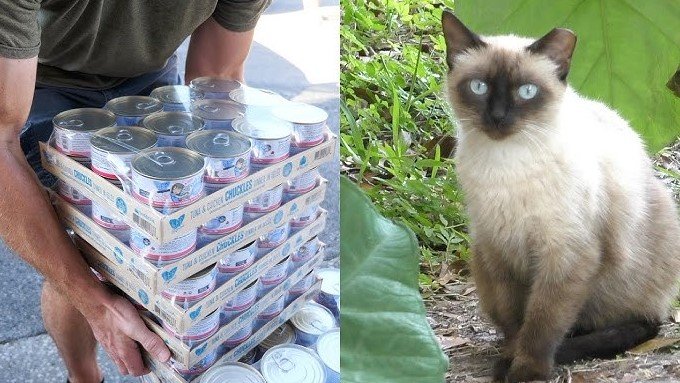
Feeding feral cats is a noble act of kindness that requires consistency, safety, and proper planning to ensure these vulnerable animals stay healthy. By following established protocols for feeding stations and nutrition, you can protect the cats while minimizing neighborhood conflicts and supporting community welfare.
If you have ever noticed a pair of glowing eyes watching you from under a parked car or heard a soft meow in the alley behind your house, you have likely encountered a community cat. Caring for these resilient animals is a rewarding way to improve your neighborhood. Learning how to feed feral cats correctly is the first step toward building trust and ensuring the well-being of these silent, four-legged residents.
In 2026, we have a better understanding than ever of how to support these cats while keeping our communities harmonious. It is not just about putting a bowl of kibble on the ground; it is about creating a sustainable system. Whether you are a long-time caretaker or someone who just spotted a hungry kitten, this guide will walk you through the essential steps to feed feral cats with care, compassion, and common sense.
Key Takeaways
- Consistency is Vital: Feral cats rely on predictable schedules for their health and safety.
- Prioritize Water: Access to clean, fresh water is just as important as high-quality food.
- Maintain Cleanliness: Keep feeding areas tidy to prevent pests and avoid neighborhood complaints.
- Support TNR: Feeding should ideally be paired with Trap-Neuter-Return efforts to stabilize the population.
- Safety First: Learn to read cat body language and keep your distance to avoid accidental bites or scratches.
- Weather Preparedness: Adjust your feeding strategy to account for extreme heat or freezing winter temperatures.
Establishing a Routine for Feral Cats
Feral cats are creatures of extreme habit. They spend most of their lives navigating potential dangers, so they find comfort in predictability. When you decide to feed feral cats, you are effectively becoming the anchor in their daily lives. If you are inconsistent, these cats will become stressed or may eventually move on to find a more reliable food source.
The Importance of Timing
Choose a time that works for your schedule and stick to it. Whether it is sunrise or right after you get home from work, consistency is key. Cats will begin to anticipate your arrival, which makes it much easier to keep them in one place. By feeding at the same time, you also help the cats avoid competition with other wildlife, such as raccoons or opossums, who are often active at specific hours.
Creating a Feeding Station
Setting up a permanent or semi-permanent feeding station is a game-changer. Try to choose a spot that is sheltered from the wind and rain. Ideally, this location should be somewhat tucked away to keep the cats feeling safe.
A quiet corner of a garden, a space under a deck, or a secluded spot behind a shed works perfectly. Avoid high-traffic areas where children play or where dogs are frequently walked, as this can scare the cats away.
Choosing the Right Nutrition
Many people assume that feral cats are happy with table scraps, but their health depends on a balanced, nutrient-dense diet. While they are scavengers by nature, they require specific proteins and fats to survive the harsh realities of outdoor life. Knowing exactly what to serve when you learn how to feed feral cats can save them from malnourishment and illness.
Visual guide about How to Feed Feral Cats
Image source: petshun.com
Dry Kibble vs. Wet Food
Dry kibble is the staple for most caretakers because it is convenient and stays fresh longer. High-quality dry food provides the crunch necessary for dental health. However, wet food is a fantastic treat that provides essential hydration. In the summer, keep an eye on wet food as it can spoil quickly in the heat. In the winter, wet food can freeze solid, so you may need to mix it with a little warm water to keep it palatable.
Hydration is Not Optional
Water is arguably more important than food. A cat can go for several days without eating, but they will suffer quickly without fresh water. Always provide a bowl of clean water next to the food. If you live in an area with freezing winters, consider using a heated water bowl to ensure the water stays liquid during those cold 2026 winter months.
Managing the Environment and Safety
One of the biggest concerns for neighbors when someone starts feeding feral cats is the mess or the potential for pests. If you manage your feeding site with care, you can mitigate these issues easily. Being a responsible caretaker means keeping the environment clean so that your neighbors support your efforts rather than complaining about them.
Keeping the Area Tidy
After the cats have finished eating, remove any uneaten food. Leaving food out overnight is an invitation for raccoons, opossums, and even stray dogs. By picking up the bowls, you ensure that the food is only available to the cats you are trying to help. If you use disposable plates or bowls, pick them up promptly to avoid littering the neighborhood.
Staying Safe Around Feral Cats
Remember, these are not house cats. They are wild animals that fear humans. Never try to pick them up or corner them. Always keep a respectful distance. If you are looking to trap them for medical care or neutering, always use humane traps and follow professional advice. Never attempt to handle a feral cat with your bare hands, as they can bite or scratch when they feel threatened.
Weather-Proofing Your Feeding Routine
The seasons change, and so should your strategy. Caring for feral cats in the heat of July requires a different approach than protecting them in the deep freeze of January. If you are committed to the long haul, you must be prepared for the elements.
Summer Survival Tips
During the warmer months, ants and flies are your biggest enemies. You can place your food bowl inside a larger, shallow tray filled with water to create a “moat” that prevents ants from crawling into the kibble. Also, ensure the feeding station is in the shade to prevent the food from baking in the sun, which degrades the nutrients and makes it unappealing.
Winter Warmth
When the temperature drops, cats burn significant energy just trying to stay warm. Increase the amount of food you provide during the coldest months, as they will need extra calories to maintain their body heat. If you use wet food, warm it up slightly or mix in some warm water to create a “gravy” that keeps them hydrated and warm from the inside out.
The Role of TNR in Your Caretaking
Feeding is the “gateway” to real change. Once you have built trust with the feral cats, the most responsible thing you can do is help them stop reproducing. This is where Trap-Neuter-Return (TNR) comes in. TNR is the most humane and effective method of managing community cat populations.
Why TNR Matters
Uncontrolled feral populations can grow quickly, leading to more hungry cats and more potential for disease. By working with local rescue groups in 2026 to get the cats neutered or spayed, you help stabilize the colony. A spayed or neutered cat is also less likely to roam, fight, or mark territory, which makes them much better neighbors.
Building Partnerships
Don’t try to do it all alone. Connect with local animal shelters or feline advocacy groups. Many of these organizations provide low-cost spay/neuter services and can even lend you traps. By showing them you are already feeding and monitoring the cats, you become a partner in their mission to reduce the number of homeless cats on the streets.
Conclusion
Learning how to feed feral cats is a journey of patience and compassion. It requires a commitment to consistency, a bit of common sense regarding safety, and the heart to care for those who cannot care for themselves. When you establish a feeding station, you aren’t just providing a meal; you are offering a lifeline.
By keeping your area clean, staying on a schedule, and supporting TNR efforts, you create a positive impact on your community. It is a quiet, humble act of kindness that makes the world a little softer for the creatures living in the shadows. Stay consistent, stay safe, and enjoy the rewarding experience of becoming a trusted friend to the feral cats in your corner of the world.
Frequently Asked Questions
Do I need permission to feed feral cats?
In most places, feeding feral cats is legal, but it is always best to check your local city ordinances or homeowner association rules. Being transparent with your neighbors and keeping the area clean will help avoid any potential complaints.
Should I try to pet the feral cats I feed?
No, you should never try to pet a feral cat. They are wild animals and are not socialized to human touch; attempting to pet them can lead to serious bites or scratches.
What should I do if a cat looks sick?
If you notice a cat with signs of illness, such as discharge from the eyes, lethargy, or visible injuries, contact a local TNR group or a veterinarian who specializes in feral cat care. Do not attempt to catch a sick cat yourself without proper protective gear and experience.
Can I leave food out for the cats 24/7?
Leaving food out around the clock is generally discouraged because it attracts wildlife like raccoons, rats, and possums. It is much better to feed at a specific time and remove the bowls once the cats have finished eating.
Do I need to worry about the cats getting used to me?
Yes, over time, the cats will likely learn to recognize your voice, your vehicle, or your routine. While they may become comfortable enough to eat while you are nearby, they will usually remain wary of direct physical contact.
How do I stop neighborhood cats from fighting at the feeding station?
If you have multiple cats, provide several feeding bowls spaced a few feet apart to reduce competition. If fighting persists, consider feeding them in different locations or at slightly different times to give the shy cats a chance to eat in peace.