
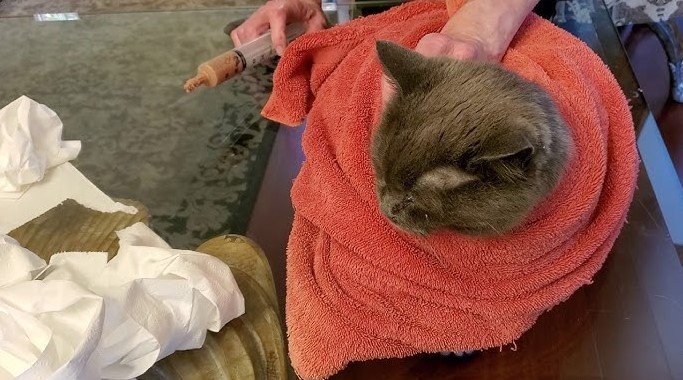
Syringe feeding a cat requires precision, patience, and a clear understanding of your feline’s specific caloric requirements. Always consult your veterinarian to determine the exact amount based on your cat’s weight and medical needs, typically ranging from 20 to 30 calories per pound of body weight daily. Consistency and gentle handling are the keys to a stress-free feeding experience for both you and your pet.
Watching your cat lose their appetite can be one of the most stressful experiences for a pet parent. Whether your feline friend is recovering from surgery, battling a temporary illness, or struggling with dental pain, seeing them turn away from their food bowl is heart-wrenching.
In 2026, we have access to better tools and veterinary guidance than ever before, but the fundamental task of syringe feeding remains a deeply personal and essential skill. It is not just about getting calories into their system; it is about providing the comfort and nutrition they need to heal.
When you are told by your vet that you need to begin syringe feeding, the first question is almost always: how much to syringe feed a cat per day? The answer is not a one-size-fits-all number. It depends on their body weight, their medical condition, and the caloric density of the specialized recovery food you are using. This guide will help you navigate this process with confidence, ensuring your cat stays strong while minimizing the stress of the experience.
Key Takeaways
- Consult Your Vet First: Never start syringe feeding without a professional diagnosis, as cats with underlying issues need specific nutrient profiles.
- Calculate Caloric Needs: Most adult cats require approximately 20 to 30 calories per pound of body weight to maintain essential functions.
- Small, Frequent Meals: Split the daily total into 4 to 6 small feedings to prevent vomiting and make the process more manageable.
- Temperature Matters: Serve food at room temperature or slightly warmed to enhance aroma and encourage better acceptance.
- Watch for Aspiration: Always feed your cat in a standing or sitting position; never force food while they are lying on their back.
- Keep a Feeding Log: Track the exact amount consumed and your cat’s behavior to share accurate data with your veterinary team.
Understanding Your Cat’s Caloric Requirements
Before you fill that first syringe, you need to understand the math. Cats are obligate carnivores, and their bodies are designed for small, frequent meals. When they stop eating, their metabolism shifts in ways that can be dangerous specifically, they are prone to a condition called hepatic lipidosis, or fatty liver disease. Because of this, maintaining a baseline of nutrition is non-negotiable.
The Golden Rule of Calories
Most veterinarians suggest that an average, sedentary adult cat requires about 20 to 30 calories per pound of body weight each day. If your cat weighs ten pounds, you are looking at a target of roughly 200 to 300 calories per day.
However, sick cats may need more or less depending on their metabolic rate. Your vet will provide a specific number for your cat. Write this number down. If you do not have a specific caloric goal, ask your clinic specifically: “What is the total number of kilocalories my cat needs per 24 hours?”
Reading the Labels
Once you have the total calorie goal, look at the back of the recovery food can. The label will list the “kcal/can” or “kcal/cup.” If a can of recovery food has 150 calories and your cat needs 300 calories, you need to provide two full cans throughout the day. If your cat is only eating half of what is required, you know you need to adjust your feeding schedule to include more sessions or talk to your vet about higher-calorie supplements.
Preparing for the Feeding Session
Syringe feeding is as much about the environment as it is about the food. If your cat associates the syringe with fear or force, the process will become a struggle. The goal is to make these interactions calm and efficient.
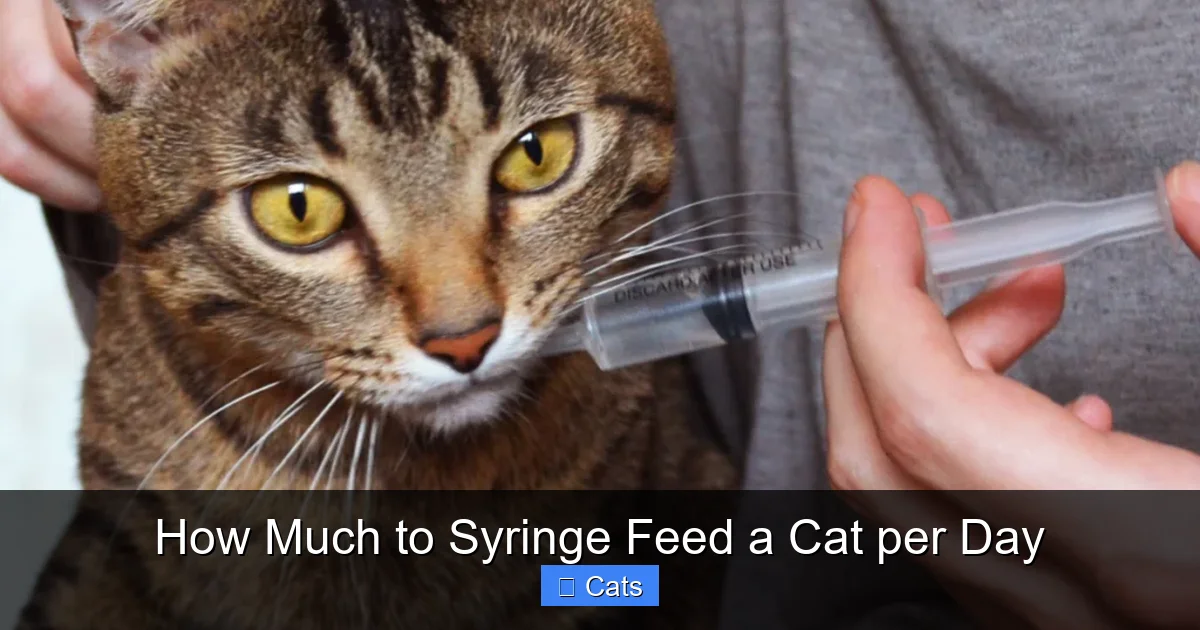
Visual guide about How Much to Syringe Feed a Cat per Day
Image source: yourpetsathome.com
Selecting the Right Supplies
You will typically need a 6ml or 12ml syringe for the best control. Large 30ml or 60ml syringes are often too bulky and make it hard to control the flow, which increases the risk of the food coming out too fast.
Make sure you have several syringes on hand so you can wash them thoroughly between uses. A tip for 2026: many pet supply stores now sell specialized, wide-bore syringes specifically designed for thicker recovery diets, which prevents the plunger from getting stuck.
Mixing and Temperature
Most recovery foods are a pate consistency. To make this move through a syringe, you will need to mix it with a little warm water. Aim for a consistency similar to a thick gravy. Test the temperature on your wrist – it should be warm, not hot. The warmth helps release the scent of the food, which is vital because cats rely heavily on smell to trigger their appetite. If the food is cold, they are much less likely to cooperate.
Techniques for Successful Syringe Feeding
The biggest mistake most people make when learning how much to syringe feed a cat per day is trying to get it done too quickly. Patience is your best friend here. Always approach your cat when they are calm, perhaps while they are resting in their favorite blanket.
Positioning Your Cat
Never feed your cat while they are lying on their back. This is a choking hazard. Keep your cat in a natural, upright position, either standing on a table or sitting in your lap. You can use a large towel to gently “burrito” your cat if they tend to fidget. This keeps their legs tucked away and prevents them from swiping at the syringe while providing them with a sense of security.
The Gentle Delivery
Insert the tip of the syringe into the side of the mouth, just behind the canine teeth. You do not need to pry the jaw wide open. Aim the tip toward the back of the tongue, but be careful not to push it too far, which can trigger a gag reflex. Depress the plunger slowly. Let the cat lick the food off their tongue or swallow before you push out the next bit. If you see the cat swallowing, you are doing a great job.
Dividing the Daily Total into Manageable Meals
Knowing how much to syringe feed a cat per day is only half the battle; the other half is knowing how to distribute those calories. You should rarely try to feed the entire daily requirement in one or two sittings. A cat’s stomach is small, roughly the size of a ping-pong ball. Forcing too much food at once will lead to vomiting, which defeats the purpose of the effort.
Establishing a Routine
Divide the daily caloric total by five or six feedings. For example, if your cat needs 200 calories and your food has 50 calories per serving, that equals four feedings a day. Create a schedule that works for your lifestyle.
If you work away from home, you might do a feeding early in the morning, one when you return, one in the evening, and a final one before bed. Consistency helps the cat anticipate the process and reduces anxiety.
Recognizing When to Stop
If your cat shows signs of significant stress heavy panting, hiding, growling, or attempting to flee take a break. It is better to have a feeding that lasts twenty minutes with short pauses than a five-minute session that leaves the cat terrified.
Monitor their reaction. If they seem to settle down, you can resume. If they are consistently becoming aggressive, stop immediately and contact your veterinarian to discuss alternative options, such as an esophageal feeding tube.
Monitoring Progress and Avoiding Pitfalls
Tracking your success is vital. Keep a logbook or a digital note on your phone. Record the time, the amount in milliliters given, and how well the cat accepted it. This data is invaluable to your vet during follow-up appointments.
Watch for Aspiration
Aspiration happens when food enters the windpipe instead of the esophagus. This is a serious risk. Signs include coughing, sneezing, or labored breathing during or shortly after feeding. If you notice these symptoms, stop feeding and contact your vet immediately. This is why it is so critical to feed slowly and ensure your cat is upright.
The Role of Supplements
Sometimes, even with the best effort, your cat may struggle to meet their caloric needs. Ask your vet about appetite stimulants or prokinetic medications that help move food through the digestive system. These are common tools in 2026 that can take the pressure off you as the primary feeder.
Conclusion
Learning how much to syringe feed a cat per day is a challenging but incredibly rewarding act of love. By carefully calculating the caloric needs, creating a calm environment, and breaking the feedings into small, manageable sessions, you are providing your cat with the fuel they need to recover. Remember that you are their biggest advocate.
If the process feels like it is failing, do not hesitate to reach out to your veterinary team for support. They can often provide tips specific to your cat’s personality or suggest different textures of food that might make the process easier for everyone involved. With time and patience, this temporary hurdle will help your cat get back to their normal, healthy self.
Frequently Asked Questions
How do I know if my cat is getting enough calories?
You can track your cat’s caloric intake by keeping a daily log of every milliliter of food provided. Compare the total daily calories against the requirement set by your veterinarian, and monitor your cat’s weight weekly to ensure they are not losing further mass.
Can I use regular canned cat food for syringe feeding?
Regular canned food is often too chunky to pass through a standard syringe and may lack the high caloric density required for a sick cat. It is usually best to use a veterinary-prescribed “recovery” or “critical care” diet that is specifically designed to be smooth and nutrient-dense.
What if my cat refuses to swallow the food?
If your cat holds the food in their mouth, try gently stroking their throat or blowing softly on their nose to encourage a swallowing reflex. If they consistently refuse to swallow or begin to gag, stop the feeding immediately and consult your vet to avoid the risk of aspiration.
How often should I clean the syringes?
Syringes should be washed with warm, soapy water after every single feeding session to prevent bacterial growth. Allow them to air dry completely before the next use, and replace them every few days if the plunger begins to stick or the markings fade.
Is it okay to force-feed a cat who is hiding?
While it is tempting to pull a hiding cat out to feed them, it is often better to create a safe, quiet space where they feel comfortable. Try to feed them in a place where they feel secure, and avoid cornering them in a way that causes extreme panic.
What should I do if my cat vomits after a syringe feeding?
Vomiting suggests that you are either feeding too quickly or that the volume of the meal is too large for their stomach to handle. Reduce the amount provided in the next session, slow down your delivery speed, and notify your veterinarian about the vomiting incident.