
Feeding your cat the right amount of wet food is essential for their long-term health and weight management. By calculating your cat’s specific calorie needs based on their age and energy level, you can ensure they stay happy and nourished without overfeeding.
As a cat parent, one of the most common questions you might find yourself asking is, “How many cans of food to feed a cat?” It seems like a simple enough query, but the answer often feels like a moving target.
In 2026, we have better access to nutritional data than ever before, yet many owners still struggle to balance the bowl. Feeding your cat is about more than just filling a dish; it is about providing the precise fuel they need to zoom through the living room and curl up for their afternoon nap.
The truth is that there is no “one size fits all” answer. If you have ever looked at the back of a cat food label, you have likely noticed the vague feeding guidelines that suggest a range—often something like “feed 1 to 3 cans per day.”
This ambiguity can be frustrating. However, by understanding your cat’s unique biological requirements, you can easily figure out exactly how many cans of food to feed a cat without the guesswork.
Key Takeaways
- Calculate Calories First: Don’t just guess; look at the kcal content on the label to determine how many cans of food to feed a cat daily.
- Individual Needs Vary: A kitten, a senior cat, and an active indoor cat all require different caloric intakes to stay at a healthy weight.
- Monitor Body Condition: Use the “rib check” method to see if your cat is at an ideal weight, rather than just relying on the scale.
- Wet Food Benefits: Feeding wet food provides vital hydration that many cats miss out on when eating only dry kibble.
- Consistency is Key: Stick to a feeding schedule rather than free-feeding to prevent obesity and manage portion control effectively.
Understanding Your Cat’s Caloric Needs
Before you open another can, you need to understand that cats are obligate carnivores. Their bodies are designed to process animal protein and moisture-rich diets. Unlike dogs, who can be more flexible, cats have very specific metabolic requirements. Calculating how many cans of food to feed a cat starts with knowing their Resting Energy Requirement (RER).
The Math Behind the Meal
Most adult indoor cats require roughly 20 to 30 calories per pound of body weight to maintain a healthy physique. If your cat weighs ten pounds, they likely need between 200 and 300 calories per day. However, this is just a starting point. An active cat who spends their day chasing laser pointers needs more, while a sedentary senior cat might thrive on the lower end of that spectrum.
When looking at labels, check for the “kcal per can” statement. If a standard 3-ounce can contains 90 calories and your cat needs 225 calories, you would divide 225 by 90. That gives you 2.5 cans per day. It is simple arithmetic that takes the mystery out of mealtime.
Adjusting for Lifestyle and Age
Age is a significant factor in how many cans of food to feed a cat. Kittens, for example, are growing rapidly and require much more energy per pound than an adult cat. They often need to be fed three or four small meals throughout the day. Conversely, senior cats often have slower metabolisms. You might find that you need to reduce their portion size slightly as they enter their golden years to prevent unwanted weight gain.
The Role of Wet Food in Feline Nutrition
In 2026, the movement toward high-moisture diets has become the gold standard in feline wellness. Many cats do not drink enough water from a bowl, which can lead to kidney issues or urinary tract health concerns over time. By incorporating canned food into their diet, you are naturally increasing their water intake with every bite.
Wet Food vs. Dry Kibble
Many owners wonder if they should mix wet and dry food. While this is a personal choice, feeding a cat exclusively or primarily canned food is often superior for hydration. When you are deciding how many cans of food to feed a cat, remember that wet food is generally lower in caloric density than dry food. This means you might need to feed a larger volume of wet food to reach the same calorie count you would get from a small handful of kibble.
Reading Labels Like a Pro
Not all cans are created equal. A “pate” style food might have a different calorie density than a “shreds in gravy” style. Always look at the Guaranteed Analysis on the back of the can. If you are ever unsure, most reputable pet food companies have their specific calorie counts listed on their websites. This is the most accurate way to ensure you are meeting your cat’s daily goals.
Setting a Feeding Schedule
Once you have calculated how many cans of food to feed a cat, the next step is implementation. Free-feeding, or leaving a bowl of food out all day, is a recipe for obesity. Cats are naturally grazers in the wild, but in a home environment, this often leads to mindless snacking. A structured schedule helps you monitor their appetite and ensures they are getting the right amount of food.
The Benefit of Scheduled Meals
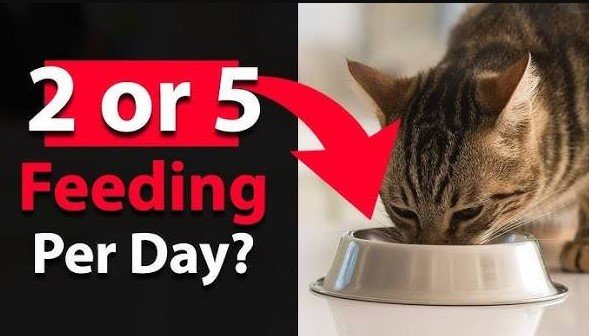
By feeding your cat two or three times a day, you can keep a close eye on exactly how much they are eating. If your cat suddenly stops finishing their portions, it is often the first indicator that something is wrong. You might notice early signs of illness or dental pain much faster if you are personally serving every meal.
Portion Control Tips
If you find that your cat is a “scarf and barf” eater, consider using puzzle feeders or slow-release bowls designed for wet food. These tools turn a quick meal into a more engaging, slower experience. You can also split the total daily number of cans into smaller, more frequent meals. If your math tells you that your cat needs two cans a day, why not provide half a can at breakfast, lunch, dinner, and a late-night snack?
Recognizing When to Adjust
Even if you have done the math perfectly, you may need to tweak your cat’s portion sizes as time goes on. Your cat’s body will give you feedback that is more accurate than any chart on the internet. Keep a close watch on their physical condition throughout the year.
The Rib Check Test
Every two weeks, perform a gentle “rib check.” Run your hands along your cat’s sides. You should be able to feel their ribs easily under a thin layer of muscle and fat. If you cannot feel the ribs, your cat is likely carrying extra weight and you should slightly reduce their caloric intake. If the ribs are protruding or very sharp, they may need a slight increase in their daily portions.
Consulting Your Veterinarian
Your vet is your greatest resource. In 2026, modern veterinary clinics focus heavily on preventative nutrition. During your cat’s annual wellness exam, ask the vet specifically about their ideal weight. A weight change of even one pound can be significant for a small animal. If your vet suggests a diet change, they will provide a specific calorie goal that you can use to adjust your canned food routine.
Common Challenges and Solutions
We have all been there the “hangry” cat who meows at 3:00 AM, or the picky eater who turns their nose up at perfectly good food. Managing how many cans of food to feed a cat can sometimes feel like a battle of wills. However, consistency and patience are your best tools in these scenarios.
Handling the Picky Eater
If your cat refuses to eat their portion, do not immediately rush to open a different flavor. Sometimes, cats are testing the waters to see if you will offer them a “better” treat. Try warming the food slightly to enhance the aroma, or adding a small topper of cat-safe broth. If they still refuse, it is time to consult a vet to rule out dental issues or stress.
Managing Multi-Cat Households
In a house with multiple cats, managing portion control can be tricky. The easiest way to ensure each cat gets exactly how many cans they need is to feed them in separate rooms. This prevents the “food-motivated” cat from stealing the leftovers of the more timid one. If you have a smart home setup, some owners use microchip-controlled feeders that only open for a specific cat, ensuring everyone stays on their own diet.
Conclusion: The Path to a Healthy Cat
Determining how many cans of food to feed a cat is a journey of trial, observation, and adjustment. By moving away from the guesswork and focusing on calories, you are providing your cat with the building blocks for a long, vibrant life.
Remember that your cat relies on you to make these choices for them. Keep the portions measured, monitor their body condition regularly, and do not hesitate to ask your vet for guidance.
As you continue this journey through 2026 and beyond, stay observant. A healthy, well-fed cat is a happy companion, and seeing them thrive is the greatest reward for your efforts. Stick to the plan, enjoy the mealtime bonding, and keep those bowls at the perfect, healthy level.
Frequently Asked Questions
How do I know if I am feeding my cat too much?
You can check by feeling your cat’s ribs; if you cannot feel them under a light layer of fat, they are likely overweight. Additionally, if you notice your cat leaving food behind regularly, they may be getting more than they need.
Is it okay to feed my cat only canned food?
Yes, feeding exclusively canned food is an excellent way to keep your cat hydrated. Just ensure the brand you choose is nutritionally complete and balanced for your cat’s specific life stage.
Should I worry if my cat leaves food in the bowl?
Occasional leftover food is usually fine, but if it becomes a pattern, you may be feeding them too much. Simply reduce the portion size slightly at the next meal to prevent waste and overeating.
Can I mix different brands of wet food?
Yes, you can mix brands, but be aware that different formulas have different calorie counts. Always calculate the total calories to ensure you stay within your cat’s daily limit.
How often should I adjust my cat’s portion sizes?
You should review your cat’s food intake at least every few months or whenever their activity level changes. Significant changes in weight or age, such as transitioning from an active kitten to an adult, definitely warrant a portion adjustment.
What if my cat is still hungry after eating their portion?
If your cat acts hungry after finishing their calculated portion, try splitting their food into more frequent, smaller meals throughout the day. If they seem persistently ravenous, consult your vet to rule out medical issues like hyperthyroidism or parasites.