
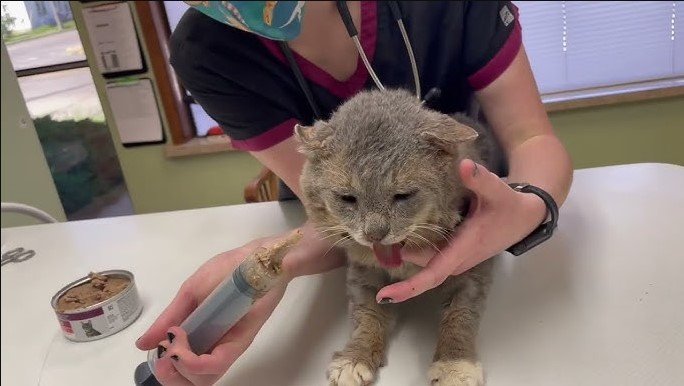
Feeding your cat correctly is the most important way to ensure they live a long, healthy life. By understanding their unique nutritional requirements and establishing a consistent feeding routine, you can prevent obesity and common health issues.
Bringing a feline friend into your home is one of the most rewarding experiences you can have. As a cat parent in 2026, you want the best for your furry companion. One of the most common questions new and experienced owners ask is, “How do I feed my cat properly?” It sounds simple, but getting the balance right between nutrition, timing, and hydration is the secret to a happy, purring pet.
Every cat is different, and their needs change as they grow from a playful kitten into a wise senior. Understanding how do I feed my cat effectively involves looking at the science of feline nutrition while keeping your cat’s specific personality and lifestyle in mind. Let’s dive into everything you need to know to become a mealtime pro.
Key Takeaways
- Nutritional Needs: Cats are obligate carnivores, meaning they require meat-based protein to thrive.
- Hydration Matters: Incorporating wet food into the diet is essential for maintaining proper kidney and urinary health.
- Consistency is Key: Setting a structured feeding schedule helps monitor your cat’s appetite and prevents overeating.
- Portion Control: Follow veterinary guidelines or package labels to ensure your cat maintains a healthy body condition score.
- Avoid Toxic Foods: Never feed your cat onions, garlic, grapes, or chocolate, as these can be life-threatening.
- Fresh Water Always: Clean, fresh water should be accessible at all times, preferably away from their food bowl.
Understanding the Feline Diet
Cats are obligate carnivores. This means their bodies are designed to get all their nutrients from animal protein. Unlike humans or dogs, cats cannot survive on a plant-based diet. Their digestive systems are short and efficient at processing meat. When you ask yourself how do I feed my cat, remember that meat should always be the star of the show.
Protein, Fat, and Carbohydrates
Protein is the building block of your cat’s health. It helps keep their muscles strong and their immune system sharp. Fats are also essential, providing the energy your cat needs to zoom around the house. Carbohydrates, however, should be kept to a minimum. Cats do not need complex carbs to function, and high-carb diets can lead to weight gain and blood sugar issues.
When selecting cat food, look for high-quality animal proteins like chicken, turkey, or salmon listed as the first ingredient. If the label is full of fillers like corn, wheat, or soy, you might want to look for a better brand. Your cat’s health is worth the investment in quality food.
The Importance of Taurine
Taurine is an amino acid that is vital for cats. It supports heart health, vision, and reproductive health. Because cats cannot produce enough taurine on their own, it must be provided through their diet. High-quality commercial cat foods in 2026 are generally fortified with taurine, but it is always good to check the label. If you are ever unsure how do I feed my cat a balanced diet, always consult with your local veterinarian.
Wet Food Versus Dry Food
The debate between wet food and dry food has been around for years. Many owners wonder, how do I feed my cat—should I use kibble or cans? The truth is, both have their benefits, but many experts suggest a mix is often the best approach for a healthy cat.
Why Wet Food Wins for Hydration
Cats are notoriously bad at drinking enough water. In the wild, they get most of their hydration from their prey. Domestic cats, however, often rely on us to provide that moisture. Wet food is packed with water, which helps support healthy kidneys and prevents urinary tract issues. If you are struggling with how do I feed my cat more water, adding wet food to their daily routine is the easiest fix.
The Convenience of Dry Kibble
Dry food is convenient, easy to store, and can help keep your cat’s teeth clean by reducing tartar buildup. Many people choose dry food because it allows for free-feeding or the use of puzzle feeders. However, if you rely solely on dry food, make sure your cat has access to multiple water sources throughout the home to compensate for the lower moisture content.
Setting a Feeding Schedule
One of the most important aspects of how do I feed my cat is consistency. Cats are creatures of habit. They love routine, and a set feeding schedule can help them feel secure and comfortable in their environment.
The Benefits of Scheduled Meals
Scheduled meals make it much easier to monitor your cat’s intake. If you leave a bowl of food out all day, it is hard to tell if your cat has eaten their full portion or if they are ignoring it. A sudden decrease in appetite is often the first sign that your cat might be feeling unwell. By feeding them at specific times, you notice these changes immediately.
Feeding Kittens Versus Adults
Kittens have tiny stomachs and high energy needs, so they need to be fed more frequently—often three to four times a day. As they grow into adulthood, most cats do well on two meals a day, once in the morning and once in the evening. As your cat becomes a senior, you might find they need smaller, more frequent meals again to help with digestion.
Managing Portions and Weight
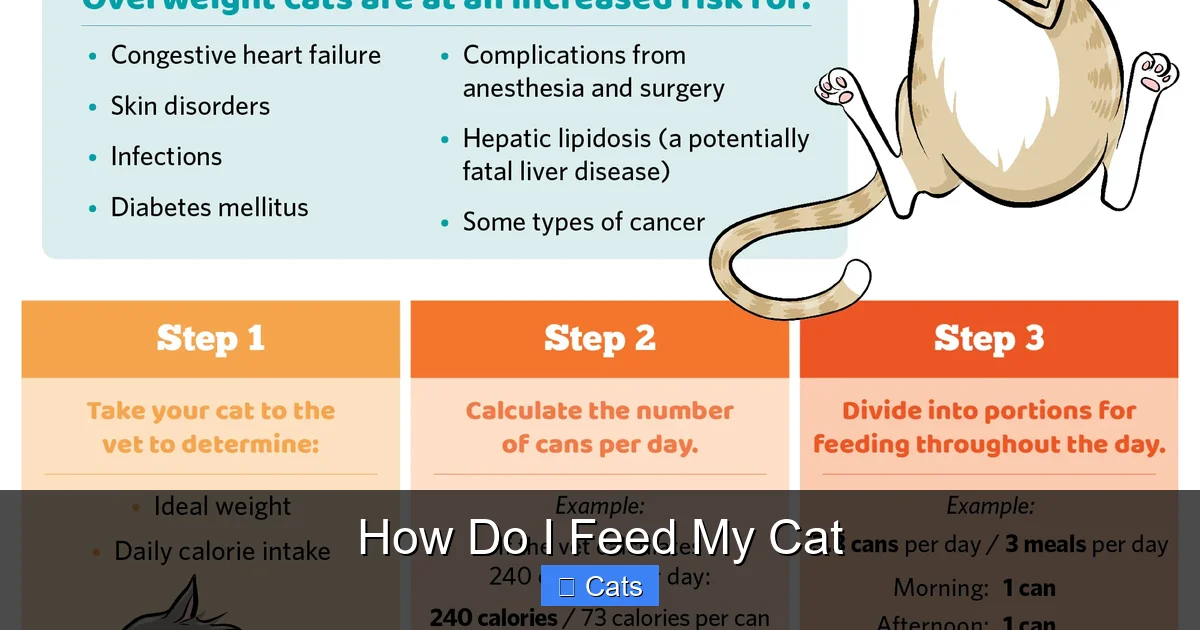
Obesity is a major health concern for cats in 2026. Because our cats lead fairly sedentary lives, it is very easy for them to overeat. When you ask, “How do I feed my cat to keep them lean?” the answer lies in strict portion control.
Using a Measuring Tool
Never eyeball the amount of food you put in the bowl. Always use a proper measuring cup or a kitchen scale. The back of the cat food bag usually has a feeding guide based on your cat’s weight. Start there, but remember that these are just estimates. If your cat starts looking a little round around the middle, you may need to reduce the portion slightly.
The Role of Exercise
Feeding is only half the battle. Activity is the other half. If your cat is a bit lazy, try using a puzzle feeder or a treat-dispensing toy at mealtime. This makes them work for their food, which burns calories and provides mental stimulation. It turns a boring meal into a fun game, which is a great answer to how do I feed my cat in an engaging way.
Creating a Positive Feeding Environment
Where you feed your cat matters almost as much as what you feed them. Cats are sensitive creatures who don’t like to be disturbed while they eat. If you have other pets or small children, make sure your cat has a quiet, private space for their meals.
Bowl Selection
Did you know that some cats suffer from “whisker fatigue”? This happens when their sensitive whiskers constantly touch the sides of a deep, narrow bowl. Opt for wide, shallow plates or bowls to make the eating experience more comfortable. This simple change can make a big difference in how your cat approaches their food.
Keeping it Clean
Cats are incredibly clean animals. If their food bowl is covered in old, crusty food, they might refuse to eat. Wash their bowls with soap and hot water every day. If you use plastic bowls, consider switching to stainless steel or ceramic, as plastic can harbor bacteria and cause chin acne in some sensitive cats.
Conclusion
Feeding your cat is more than just dumping kibble into a bowl. It is an act of care that sustains their health and happiness for years to come. By prioritizing high-quality, protein-rich food, ensuring proper hydration, maintaining a consistent schedule, and keeping a watchful eye on portion sizes, you are doing a fantastic job as a pet parent.
Remember, every cat is an individual. If you have concerns about your cat’s diet or weight, your veterinarian is your best resource. Keep experimenting with what works for your feline friend, and enjoy the bonding time that mealtime provides. Now that you have the answer to how do I feed my cat, you can move forward with confidence and provide the best life possible for your companion!
Frequently Asked Questions
How often should I feed my adult cat?
Most healthy adult cats thrive on two meals per day, once in the morning and once in the evening. This schedule helps keep their metabolism stable and makes it easier for you to monitor their appetite.
Can I mix dry and wet cat food?
Yes, mixing wet and dry food is a great way to ensure your cat gets the hydration benefits of wet food while maintaining the convenience of kibble. Just be sure to adjust the total calories so you aren’t overfeeding your pet.
Is human food safe for cats?
Most human food is not suitable for cats and some, like onions, garlic, and chocolate, are toxic. It is safest to stick to high-quality, commercially prepared cat food formulated for feline nutritional needs.
How do I know if my cat is overweight?
You should be able to feel your cat’s ribs without a thick layer of fat, and they should have a visible “tuck” in their abdomen when viewed from the side. If you are unsure, your vet can check their body condition score during a routine visit.
Should I leave food out all day?
Free-feeding can lead to obesity and makes it difficult to track exactly how much your cat is eating. Controlled, scheduled meals are generally better for managing a cat’s weight and health.
What if my cat is a picky eater?
If your cat is picky, try warming up their wet food slightly or adding a small amount of warm water to enhance the aroma. If they suddenly stop eating altogether, contact your veterinarian, as this can be a sign of a health issue.