
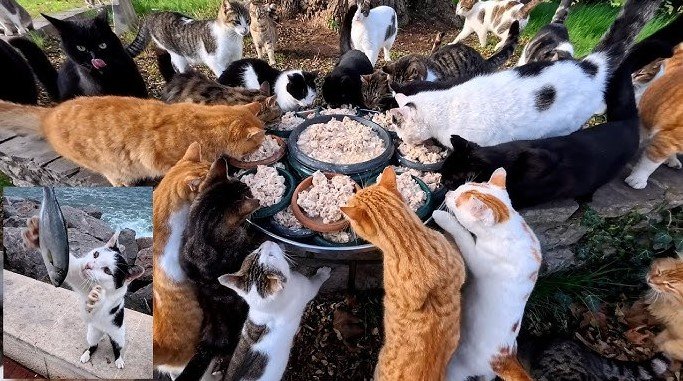
Whether it is illegal to feed feral cats depends entirely on your local city or county ordinances. While many areas encourage Trap-Neuter-Return (TNR) programs, others may cite you for public nuisance or littering. Always check your local municipal codes before starting a feeding routine to ensure you stay on the right side of the law.
You are walking through your neighborhood at twilight when you spot a pair of glowing eyes peeking out from under a porch. It is a feral cat a creature that lives its life outdoors, independent of human walls but often dependent on human kindness. Your heart goes out to the little wanderer. You want to set out a bowl of kibble. But then, a thought stops you: Is it illegal to feed feral cats?
It is a question that many compassionate people ask in 2026. As our cities grow and our neighborhoods become more densely populated, the rules governing how we interact with community animals have become more complex.
You want to be a hero for a hungry animal, but you definitely do not want a fine from the local police or an argument with your neighbors. The truth is, the answer is rarely a simple “yes” or “no.” It is a web of local ordinances, property laws, and public health guidelines that change every few miles.
In this guide, we are going to walk through everything you need to know about feeding feral cats. We will look at why cities make these laws, how you can stay compliant, and how to be the most effective, responsible caretaker possible. Whether you are an experienced colony manager or just someone who wants to help a stray, understanding the rules of the road is the first step to helping these cats live a better life.
Key Takeaways
- Local Laws Vary: There is no single federal law regarding feral cats, meaning regulations are determined at the municipal level.
- TNR Programs: Many cities now support Trap-Neuter-Return, which legitimizes feeding as part of a managed colony plan.
- Nuisance Ordinances: You could be fined for creating a public nuisance, which includes attracting pests or leaving behind food waste.
- Property Rights: Feeding feral cats on private property without the owner’s permission is almost always considered trespassing or illegal.
- Health Considerations: Feeding can be seen as “harboring” an animal, making you legally responsible for the cat’s vaccinations and medical care in some regions.
- Community Cooperation: Working with local animal control and non-profits is the best way to ensure your feeding habits are protected by legal guidelines.
Understanding the Legal Landscape of Feral Cat Feeding
When you ask if it is illegal to feed feral cats, you are asking a question that requires a look at your specific city’s municipal code. There is no national law in the United States or most other countries that bans the feeding of cats. Instead, these laws are written by city councils and county boards. Their primary goal is not to punish cat lovers, but to manage public resources, health, and cleanliness.
The “Public Nuisance” Factor
Most local governments define the act of feeding outdoor animals under “nuisance” ordinances. If you leave a giant pile of wet cat food on a public sidewalk and it sits there for days, attracting flies, raccoons, and rats, the city is likely to step in.
They are not necessarily upset about the cat; they are upset about the hygiene situation you have created. It is essential to understand that while feeding a cat is often legal, creating a health hazard is not.
In many jurisdictions, if your feeding station is tidy, consistent, and kept away from public walkways, you are likely in the clear. However, if neighbors complain about odors or the influx of other wildlife, the city can invoke nuisance laws to force you to stop. Always keep your feeding site clean to avoid being targeted by these ordinances.
Ownership and Liability
One major legal trap involves the definition of “ownership.” In many cities, the law states that if you feed a cat for a certain number of days, you are legally considered its owner. This is a massive shift in responsibility. If you are the “owner,” you are responsible for the cat’s rabies vaccinations, its medical care, and any damage it might do to other people’s property.
Before you commit to a long-term feeding schedule, check if your local ordinance has an “owner by feeding” clause. This is a very common trap. You might think you are just providing a snack, but to a lawyer, you are providing a home. If you want to feed feral cats without taking on full legal ownership, look for community programs that provide “colony caregiver” status, which offers a layer of legal protection.
The Rise of Trap-Neuter-Return (TNR)
Thankfully, the culture surrounding feral cats has changed drastically over the last decade. Many cities that used to view feral cats as pests to be eradicated have shifted toward Trap-Neuter-Return (TNR) policies. In these areas, it is not just legal to feed feral cats – it is actually encouraged, provided you are doing it as part of a registered program.
How TNR Changes the Law
TNR programs involve trapping the cats, taking them to a vet to be spayed or neutered and vaccinated, and then returning them to their outdoor home. By fixing the cats, you stop the colony from growing. Because the cat population is being managed, cities are much more likely to support your activities. In many cities, you can even apply for a permit that formally recognizes you as a colony caretaker.
When you register as a caretaker, you gain legal protections. For instance, if a neighbor tries to complain, you have proof that you are following city-endorsed procedures for controlling the cat population. This is the gold standard for anyone asking, “Is it illegal to feed feral cats?” If you are participating in a local TNR program, you are usually performing a recognized community service.
The Benefits of Managed Colonies
A managed colony is a group of feral cats that is being looked after by one or more people. The cats are fed at the same time and place every day, and they are all fixed. This leads to healthier cats that are less likely to fight or yowl, which in turn leads to fewer complaints from neighbors. If you are going to feed, manage the colony properly. It makes the world safer for the cats and easier for you.
Navigating Property Rights and Conflicts
The most common cause of legal trouble regarding cat feeding is property disputes. Even if your city ordinance is lax, you do not have a right to trespass on someone else’s property. Feeding feral cats on land that isn’t yours can lead to charges of trespassing or littering.
Permission is Key
If you see a cat hanging out near a shopping center, a neighbor’s yard, or a business, you must ask permission before you start a feeding routine. Most business owners would prefer you didn’t leave cat food in their parking lot, as it can attract pests or look messy. However, some might be happy to have you manage the area if you keep it clean and professional.
Always introduce yourself to neighbors who live near the feeding site. Transparency goes a long way. If your neighbor knows you are looking after the cats, they are less likely to call the authorities. They might even join your effort or help you monitor the colony. Avoiding conflict is just as important as the food itself.
The “Cat Proofing” Strategy
To avoid trouble, try to make your feeding station as invisible as possible. Use shallow, clean bowls. Feed at set times and remove the bowls once the cats are finished eating. Do not leave bags of food lying around. If you are discreet, you will attract far less negative attention. Remember, the goal is to feed the cats, not to leave evidence that you are there.
Best Practices for Responsible Caretaking
If you have decided that you want to feed, you must do it with the welfare of the cats and the neighborhood in mind. Being a “cat person” is not an excuse to ignore community standards. By following a few simple steps, you can avoid legal headaches and provide a high quality of life for your local strays.
Scheduled Feeding Times
Consistency is your best friend. If you feed at 6:00 PM every night, the cats will arrive at 5:55 PM, eat, and leave. This prevents food from sitting out all day, which attracts raccoons, possums, and rodents. If you leave a giant bowl of food out for the whole neighborhood to share, you are essentially creating a banquet for every pest in the area, and that is a sure way to trigger a visit from code enforcement.
Tip: Use a feeding spot that is tucked away behind a bush or a fence. It makes the cats feel safe and keeps your activities out of the line of sight for people who might not share your love for animals. Keep a small broom and dustpan nearby to sweep up any dropped kibble immediately.
Winter and Summer Adjustments
Feral cats need extra support during extreme weather. In the winter, you might consider building a small, insulated shelter to keep them warm. However, be aware that placing a shelter on public land can sometimes violate building codes.
Always place shelters on private property where you have the owner’s permission. In the summer, ensure they have access to fresh water. Dehydration is a massive problem for outdoor cats, and a simple water bowl can make a world of difference.
What to Do If You Get a Complaint
Even if you are doing everything right, you might still encounter a cranky neighbor who calls animal control. Do not panic. If this happens, the first thing to do is remain calm and professional. You are an advocate for the animals, and reacting with anger will only make you look like a problem citizen.
Talk to Your Neighbors
If someone complains, try to understand their side. Are they worried about feces in their garden? Are they worried about fleas? Are they worried about the cats attacking birds? Listen to their concerns.
Often, if you show them that you are taking responsibility perhaps by putting up a small deterrent or adjusting your feeding schedule—they will drop the complaint. Sometimes, people are just grumpy because they are uninformed about what a managed colony actually is.
Contact Your Local Shelter
Your local animal shelter or humane society is your biggest ally. They understand the laws in your city better than anyone. If you are getting pushback, reach out to them. They can often provide you with literature to give to your neighbors, or they may even have a representative who can explain the benefits of TNR to the city council. Never face a legal threat alone; let the experts help you advocate for the cats.
The Future of Feral Cat Legislation
Looking toward the end of the decade, the trend in legislation is definitely moving in favor of humane population management. Cities are realizing that traditional “round-up and euthanize” methods are expensive and ineffective. The population of feral cats always returns to the carrying capacity of an area, whether you kill them or fix them. Therefore, fixing them (TNR) is the only logical long-term solution.
Advocacy is Essential
If you find that your city has antiquated laws that make it illegal to feed feral cats, it is time to get involved. Local government is very responsive to citizen input. You can attend city council meetings, write to your representatives, and join local animal welfare groups.
Change often starts with one person who asks the right questions and presents a better solution. Your voice has the power to turn a restrictive, outdated code into a progressive policy that saves lives.
We are seeing more and more cities adopt “Community Cat” ordinances that explicitly protect the rights of caregivers. This is the future. By staying informed and acting responsibly, you are helping to pave the way for a more compassionate legal system. Keep the food fresh, keep the cats fixed, and keep your head held high as a protector of those who cannot speak for themselves.
Final Thoughts
Feeding a feral cat is a beautiful, compassionate act. It creates a bond between humans and nature that is rare in our modern, fast-paced world. While the question “Is it illegal to feed feral cats?” is important, it should not stop you from doing the right thing.
It should only encourage you to do it the right way. By knowing the laws, working with local organizations, and respecting your neighbors, you can be a hero for the cats in your community.
Remember, the law is there to keep the peace, and with a little effort, you can prove that caring for feral cats is not just a peaceful activity – it is a vital service to your neighborhood. Start small, stay organized, and keep learning. Your dedication to these cats is a testament to your character. Every bowl of food and every cat you help get fixed makes the world just a little bit kinder for everyone.
Frequently Asked Questions
Do I need a special license to feed feral cats?
In most cities, you do not need a license to feed, but many municipalities offer a “Colony Caregiver” registration. Registering provides you with legal recognition and can protect you if neighbors complain about your activities.
Can I be fined for feeding cats in my own backyard?
Generally, you have a right to do what you want on your private property, but you are still subject to nuisance and health ordinances. If the cats cause a major mess or attract pests, the city can cite you regardless of where the food is placed.
Are there laws against attracting pests while feeding cats?
Yes, almost every city has ordinances against creating a nuisance, which includes attracting vermin like rats or raccoons. To avoid this, always remove uneaten food immediately and keep the area strictly clean.
What should I do if my landlord says no to feeding cats?
If you rent, you must follow your landlord’s rules regarding your property. If you feed feral cats on the property against your lease agreement, you could face eviction; it is better to find a neutral public location nearby that allows TNR activities.
Is it considered littering to leave cat food on the street?
Leaving food or plastic containers on public property is often classified as littering or dumping, which carries significant fines. Always use a feeding station that is removed after the cats eat, and never leave trash behind.
How can I find out if my city supports TNR?
You can check your city or county’s website under “Animal Services” or “Municipal Codes” to search for terms like “Community Cats” or “TNR.” Local humane societies are also excellent resources that can guide you through your city’s specific rules.