
Use a bag, pick up the poop, tie it tight, and throw it in a proper trash bin.
I’ve guided hundreds of dog owners on how to use dog poop bags safely, cleanly, and with respect for the environment. This guide explains why it matters, how to choose the best bags, step-by-step pickup and disposal methods, eco-friendly options, common mistakes, and real-life tips from my experience to make the task quick and painless.
Why use dog poop bags?
Picking up after your dog protects public health and keeps parks and sidewalks clean. Learning how to use dog poop bags helps stop parasites and bacteria from spreading. It also shows respect for neighbors and local rules.
Health reasons are simple. Dog feces can carry harmful bacteria and parasites. Cleaning up reduces risk for kids, other pets, and wildlife. Local fines often apply if you don’t pick up, so using bags protects you legally too.
Choosing the right bag for the job
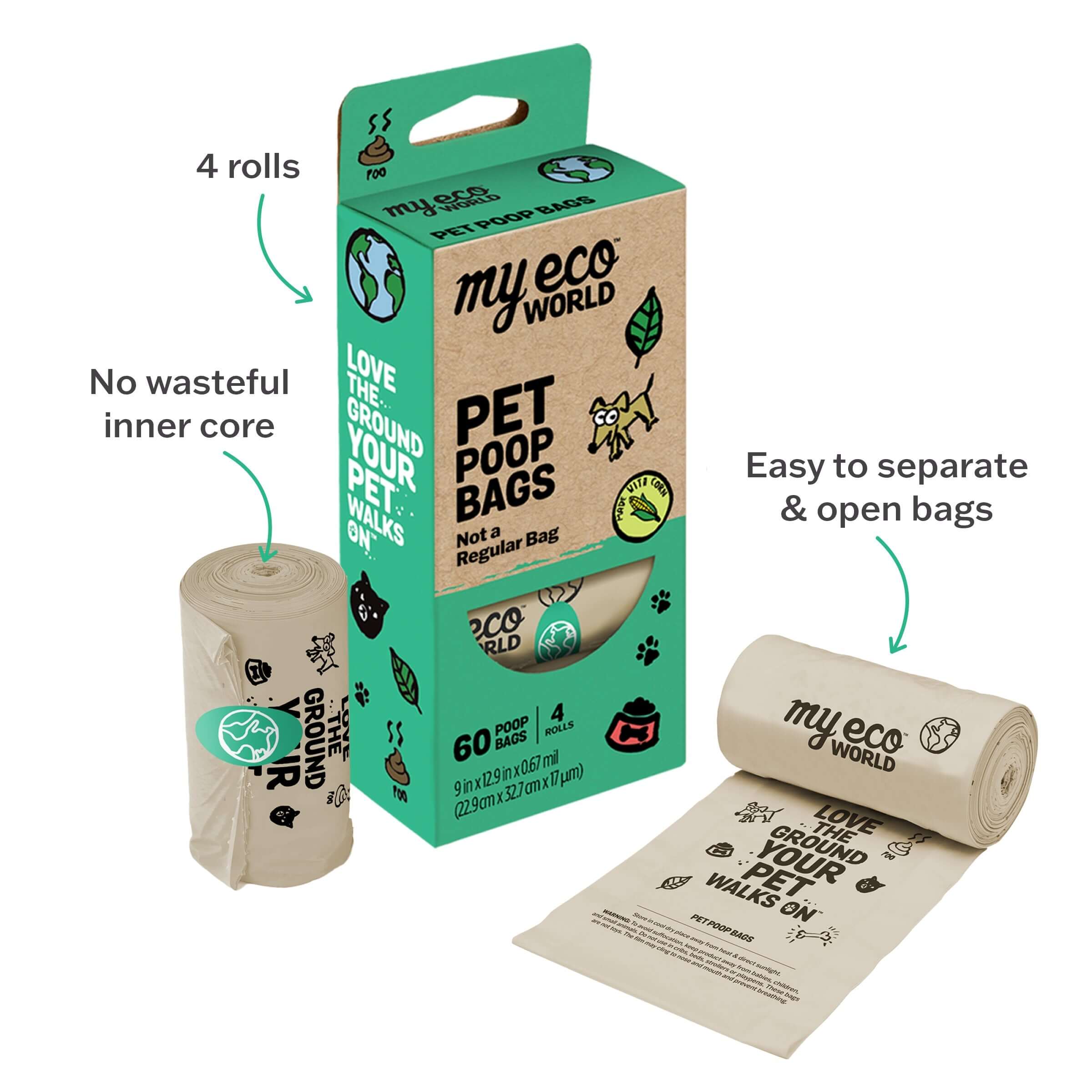
Selecting the right bag makes pickup easier and safer. Here are key features to look for.
- Thickness: Thicker bags resist tears and leaks during pickup.
- Size: Bags should be big enough for your dog’s waste. Small dogs need smaller bags; large dogs need larger bags.
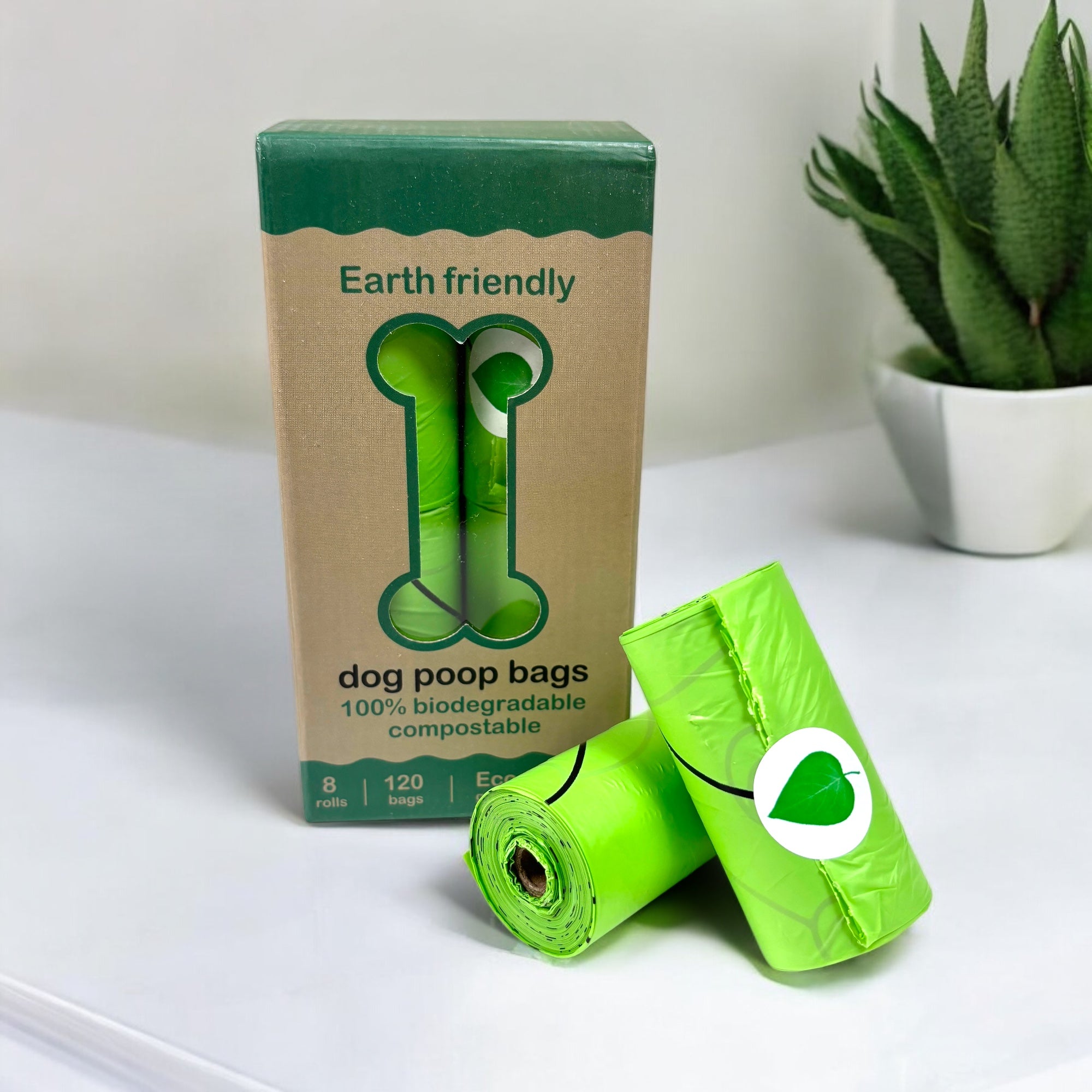
- Material: Options include standard plastic, compostable, and biodegradable. Each has pros and cons.
- Dispensing: Roll-based dispensers or pre-packed bags can be handy for walks.
I recommend testing a few brands at home. I once used thin bags that split on a rainy walk. After switching to thicker, scented-free bags, the job became cleaner and faster.
Step-by-step: How to use dog poop bags
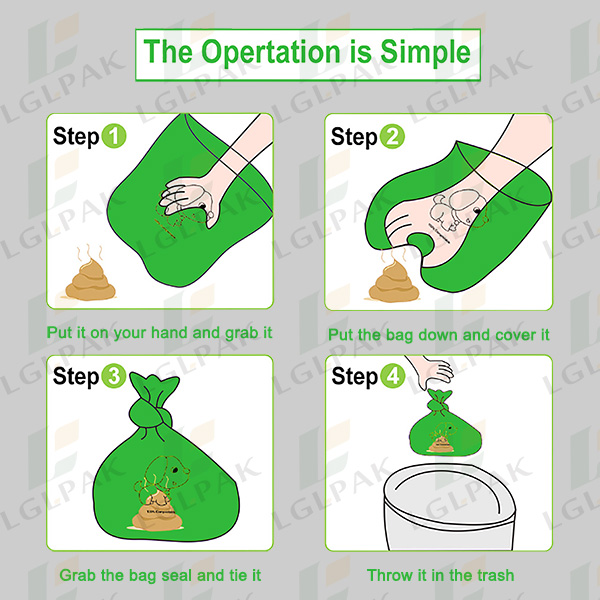
Follow these simple steps every time you walk your dog.
- Prepare before you go out
- Carry spare bags and a small dispenser.
- Have a spare stored in your pocket or leash for emergencies.
- Approach the waste calmly
- Keep your dog on a short leash.
- Position yourself so you can scoop without bending awkwardly.
- Open and invert the bag
- Pull a bag from the roll.
- Turn it inside out over your hand like a glove.
- Pick up the waste
- Hold the bag-covered hand and scoop the waste into the bag.
- Use the edge of the bag to lift solids cleanly.
- Tie and seal
- Remove your hand and turn the bag right-side out.
- Tie a secure knot or use a twist-and-tuck method to seal.
- Dispose of the bag
- Place the sealed bag in a public trash can or your home trash.
- Do not leave the bag on the ground or in recycling bins.
Practicing these steps a few times makes them second nature. I keep a small hand sanitizer in my bag for after-walk cleanup. It helps when public bathrooms are not available.

Disposal options and local rules
Disposal rules vary by place. Know what your city or park requires.
- Public trash cans: Best for sealed dog waste bags in most areas.
- Home trash: Put bags in a lidded bin to control odor and pests.
- Composting: Do not compost dog waste with food compost. Only use certified pet-waste compost systems.
- Trash pickup: If your town has special pickup rules, follow them to avoid fines.
Check local park signage and municipal codes if you’re unsure. Some areas ban flushing dog waste or composting in standard systems. Following rules prevents fines and environmental harm.

Eco-friendly choices and trade-offs
Many owners want greener ways to handle pet waste. Here are realistic options.
- Compostable bags: Break down in industrial compost settings. They reduce plastic use but need the right compost system.
- Biodegradable bags: These break down over time but may fragment into microplastics without proper processing.
- Reusable scoops or pooper scoopers: Reduce plastic bag use for backyard cleanup, though you still need to store and sanitize them.
- Dog waste digesters: In-ground systems can treat waste, but local soil and groundwater rules apply.
I tested compostable bags for a year. They worked well on dry walks but did not degrade in a home landfill. My takeaway: pick eco options, but know their limits and local processing options.

Common mistakes and quick fixes
Avoid these frequent errors to make cleanup smoother and safer.
- Using thin bags that tear: Use thicker, tear-resistant bags.
- Not carrying extras: Keep spares in multiple spots.
- Leaving tied bags in public areas: Always dispose in a proper trash can.
- Flushing waste: Most systems are not meant for pet waste and can clog or cause contamination.
- Ignoring scent-free needs: Scented bags can irritate people and some dogs.
A simple fix is to keep a small pouch with 6–10 bags on your leash. It prevents awkward moments and helps when your dog makes multiple deposits.
Practical tools and accessories
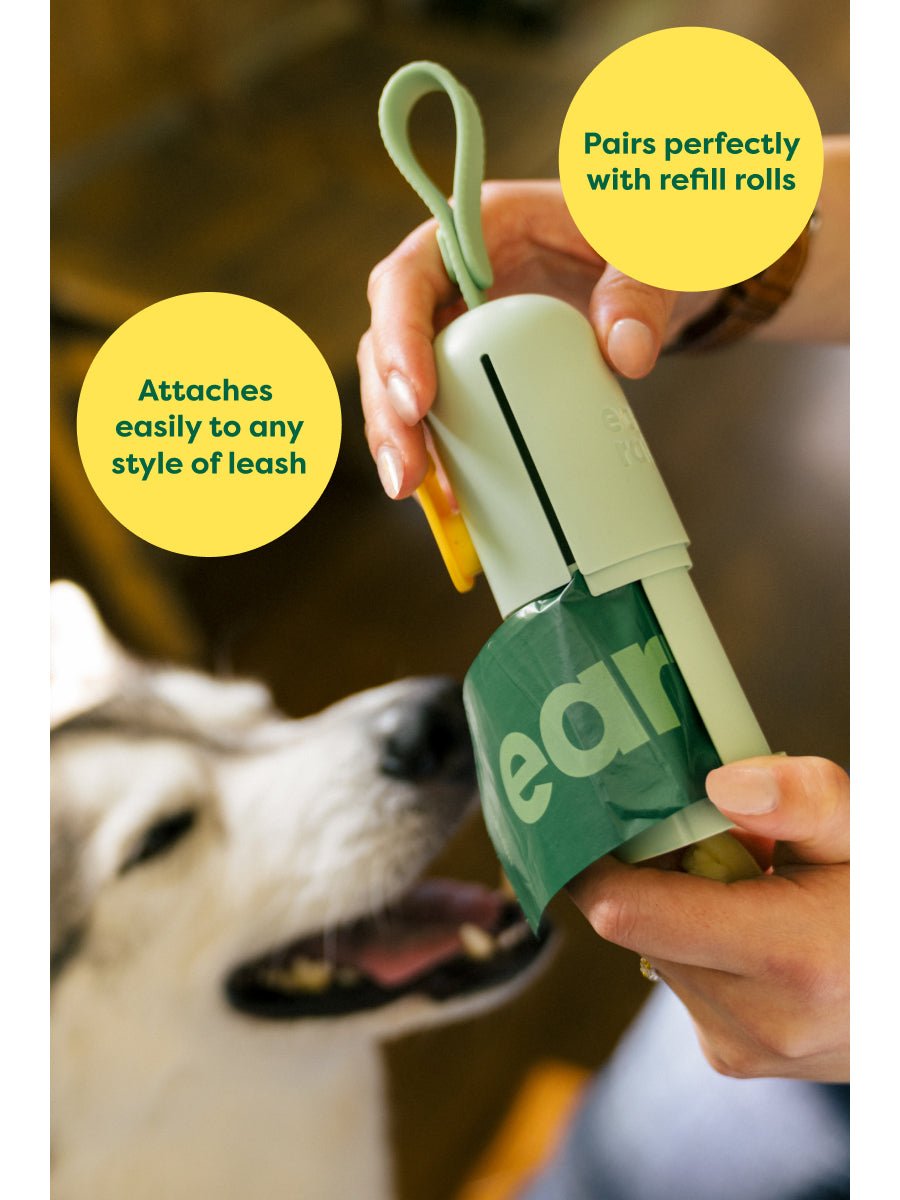
Small tools can speed up the process and make it cleaner.
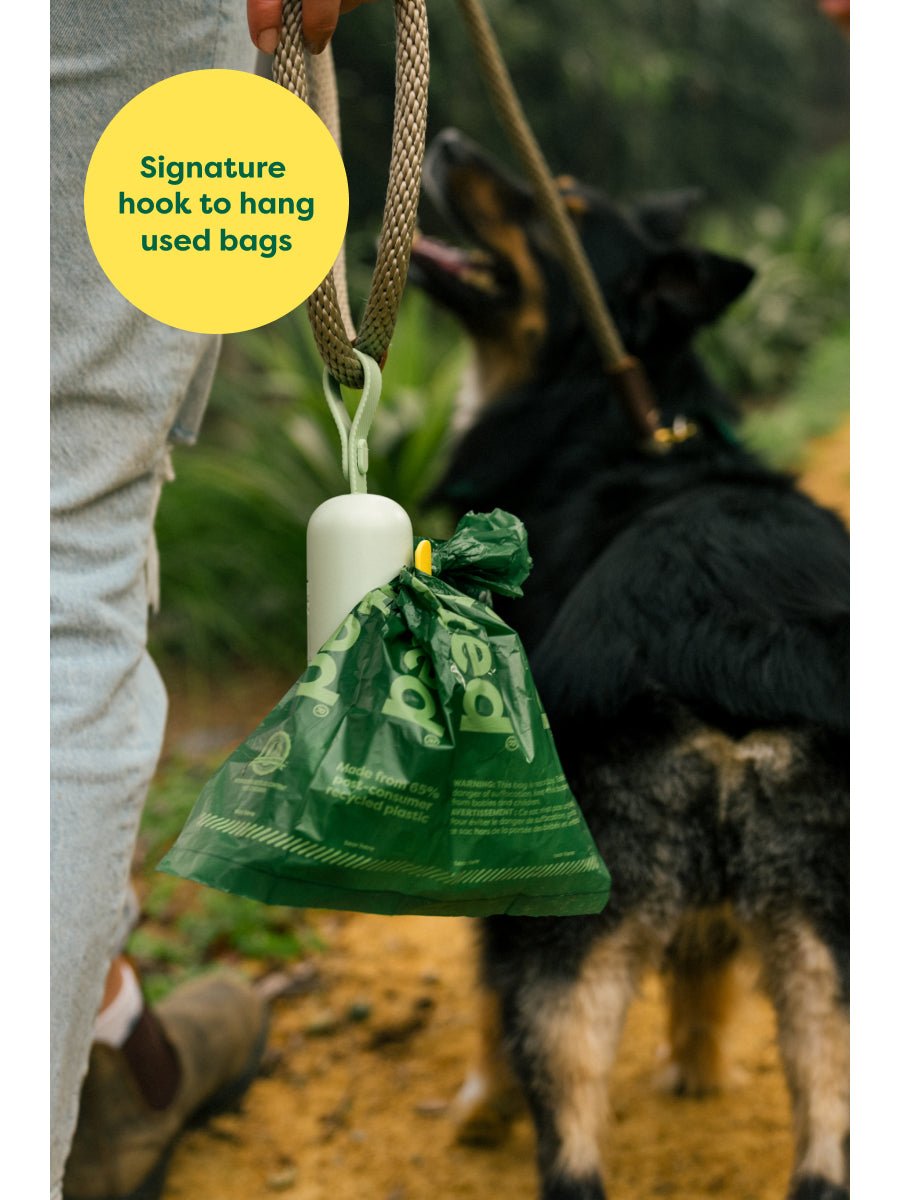
- Leash-mounted dispensers: Easy access during walks.
- Pocket-sized bag holders: Keep backups in your pockets or bag.
- Pooper scoopers: Great for older owners or for backyard cleanup.
- Lidded outdoor trash cans: Cut smell and pests at home.
- Hand sanitizer and wipes: For quick cleanup after disposal.
I use a dispenser on my leash plus a tiny sanitizer bottle. The setup is low-cost and makes daily walks more pleasant.

How to teach kids and guests to help
Teaching others keeps your space clean and sets a good example.
- Show them a demo: Practice the steps together in the yard.
- Provide labeled supplies: Keep a bin of bags and a small trash can outside.
- Explain rules: Tell guests where to dispose of sealed bags.
- Reward good behavior: Positive reinforcement helps kids remember.
I walked my neighbor’s child through the steps once. After one practice, they handled pickups confidently. Clear, short instructions make learning fast.
Personal experience and lessons learned
Over years of dog ownership and advising others, I learned how to use dog poop bags well.
- Test products before bulk buying: One brand I liked at first later proved flimsy.
- Keep multiple stashes: Store bags in the car, house, and on the leash.
- Respect local rules: A fine once changed how I handled disposal in public areas.
- Accept some odor: Tying bags well and using lidded bins cut odors dramatically.
These practices saved time, avoided messes, and kept walks enjoyable. Small habits matter.
PAA-style questions
What should I do if a bag rips while picking up waste?
- Move slowly and use a second bag to contain any mess. Clean the area with a wipe and seal the bags tightly before disposing.
Can I flush dog poop in the toilet?
- Flushing is not recommended. Most sewage systems and septic tanks are not designed for pet waste and it can spread parasites.
Are compostable bags truly better for the planet?
- They can be better if processed in a commercial compost system. At home, they may not break down properly.
How many bags should I carry on a walk?
- Carry at least three bags for short walks and more for longer outings. Sudden needs happen, and spares prevent problems.
Will dog poop bags stop odors?
- Tying bags tightly and using lidded bins greatly reduces odor. Some bags add scent, but that may not suit everyone.
Frequently Asked Questions of how to use dog poop bags
What is the easiest way to pick up dog poop with a bag?
Use one hand inside an inverted bag, scoop the waste, then flip the bag so the waste is inside and tie it securely. This method keeps hands clean and is quick once you practice.
Are compostable dog poop bags really compostable at home?
Most certified compostable bags need industrial composting to break down fully. Home compost bins typically don’t reach the heat required for complete decomposition.
Can I leave a tied dog poop bag on the ground temporarily?
No. Leaving bags on the ground attracts pests and can create an environmental nuisance. Dispose of bags in a trash can as soon as possible.
How do I store used bags at home before trash collection?
Put sealed bags in a lidded trash can or a separate container to reduce odor and deter pests. Empty the container regularly and rinse it as needed.
Do I need to wear gloves when using dog poop bags?
Gloves are optional if you use the inside-out bag method. If you prefer added protection, wear disposable gloves and discard them with the sealed bag.
Conclusion
Knowing how to use dog poop bags makes walks cleaner, safer, and more respectful for everyone. Pick the right bag, follow simple pickup steps, and dispose responsibly. Try a few brands, keep spares handy, and follow local rules to avoid fines and health risks. Start using these tips today to make cleanup quick and worry-free, and share your favorite bag or tip in the comments to help others.