
Introduction
For readers in the United States, the red bird-of-paradise is a rare tropical bird seen mainly in wildlife books, zoos, and nature programs—not a native backyard bird. Its scientific name is Paradisaea rubra. It lives on a small group of Indonesian islands and eats a mixed diet of fruit, insects, and other small invertebrates.
The bird does not have one fixed food source. It changes its diet with the season, food supply, and forest habitat. Fruit gives it energy, while insects and other small prey add protein and key nutrients.
What Is a Red Bird-of-Paradise?
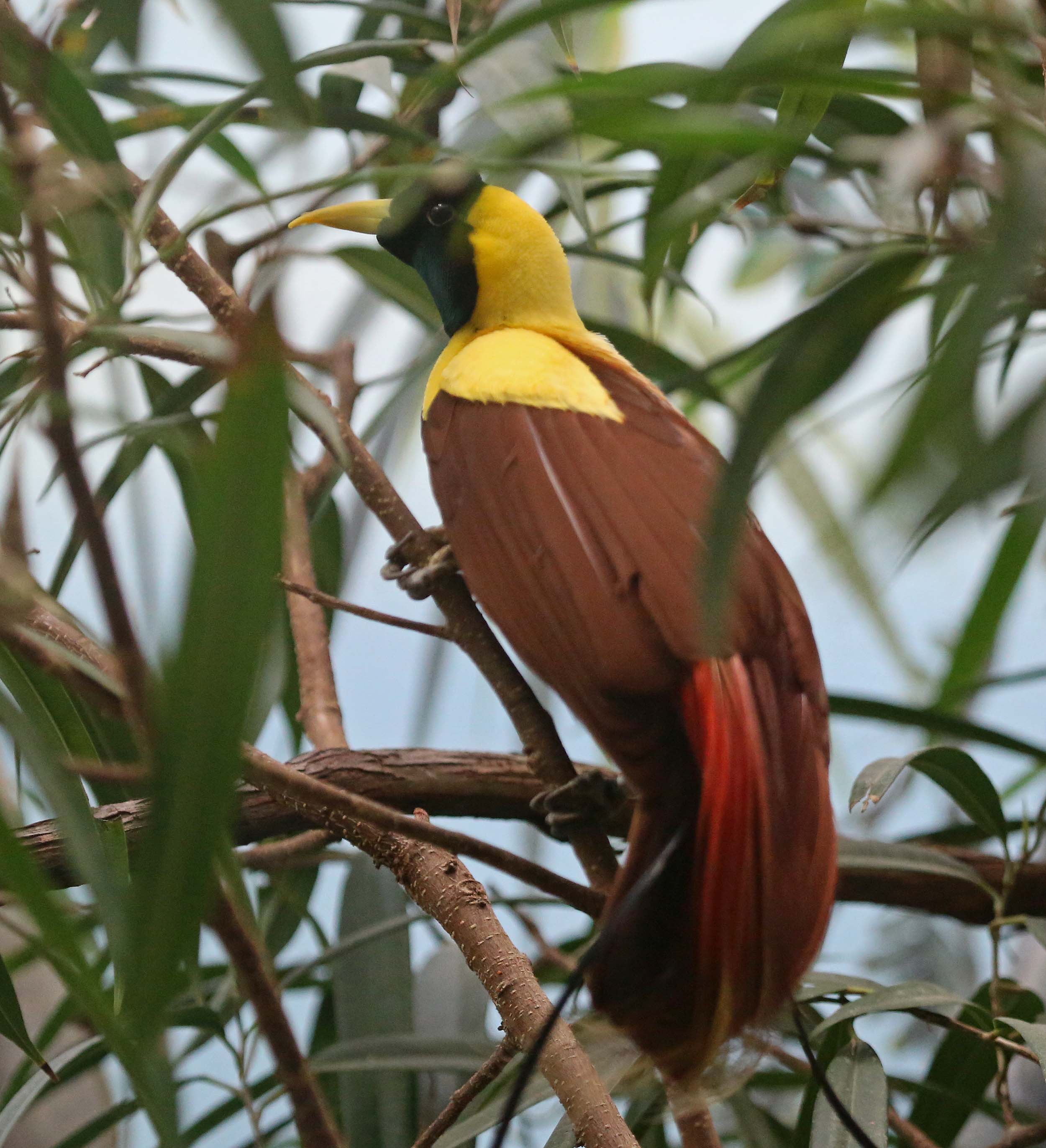
The red bird-of-paradise, Paradisaea rubra, is a medium-sized bird in the bird-of-paradise family, Paradisaeidae. It is native to Indonesia’s Raja Ampat region, including Waigeo, Batanta, and nearby islands.
The male is known for its bright red flank feathers, yellow tail plumes, and courtship display. Females are smaller and less colorful. Both sexes feed in forest trees, but males may spend more time in display areas during the breeding season.
The species is not the same as:
- A northern cardinal, which is a common red bird in the United States
- A scarlet tanager, which also has bright red coloring
- A bird-of-paradise houseplant
- The red bird-of-paradise plant, often sold in warm parts of the United States as Caesalpinia pulcherrima
The bird and the plant have similar common names but have very different diets. A plant does not “eat” food in the way a bird does. It makes food through photosynthesis and takes in water and minerals through its roots.
Quick answer
The red bird-of-paradise mainly eats ripe fruit and small animal prey, such as insects and other arthropods. Fruit supplies energy, while animal prey supplies protein. Exact diet ratios are not well established in the wild.
What Does a Red Bird-of-Paradise Eat?
A red bird-of-paradise eats a varied forest diet. The main food groups are fruit and small invertebrates.
Fruit
Fruit is a major part of the diet of many birds of paradise, including Paradisaea species. Soft, ripe fruit is easy to swallow and provides water and natural sugar.
Likely fruit foods include:
- Small berries
- Soft forest fruits
- Figs and fig-like fruit
- Other ripe fruit found in the forest canopy
Fruit can be spread across the tree canopy. This helps the bird search over a wide area rather than depend on one plant.
The bird may also help spread seeds after eating fruit. This link is useful to the forest because birds can carry seeds away from the parent plant.
Insects and other arthropods
Red bird-of-paradise birds also eat animal prey. This part of the diet may include:
- Beetles
- Caterpillars
- Grasshoppers
- Crickets
- Ants
- Spiders
- Other small arthropods
These foods give the bird protein and fat. They may be especially useful when the bird is growing feathers, feeding chicks, or recovering from high activity.
The term arthropod means an animal with a hard outer body and jointed legs. In this case, it includes insects and spiders.
Nectar and other foods
Some bird-of-paradise species visit flowers and may take nectar. However, nectar should not be treated as the main food of the red bird-of-paradise unless a reliable species record supports that claim.
The same rule applies to seeds, leaves, and small vertebrates. These foods may be reported for some tropical birds, but they are not established as core foods for the red bird-of-paradise. A careful answer should separate likely foods from proven major foods.

How the Red Bird-of-Paradise Finds Food
The red bird-of-paradise searches for food in tropical forest trees. Its strong bill can pick fruit and handle small prey.
The bird may:
- Move through branches and leaves.
- Look for ripe fruit.
- Pick fruit from a tree or vine.
- Search bark, leaves, and small gaps for insects.
- Swallow soft food whole or handle larger prey before eating it.
Fruit-eating birds often move between trees as fruit ripens. This movement can make their diet change from week to week.
Insects may be easier to find during wet periods when plant growth and insect activity rise. Fruit may become more important when ripe crops are available. Still, the exact pattern can differ by island, forest type, and season.
Why a mixed diet matters
A mixed diet helps the bird meet different needs:
| Food type | Main value |
|---|---|
| Soft fruit | Water, sugar, and quick energy |
| Insects | Protein, fat, and minerals |
| Spiders and other arthropods | Protein and nutrients |
| Occasional flower foods | Possible extra energy, if available |
This table shows the likely role of each food type. It does not give a measured percentage of the bird’s daily diet.
Does the Red Bird-of-Paradise Eat Seeds or Meat?
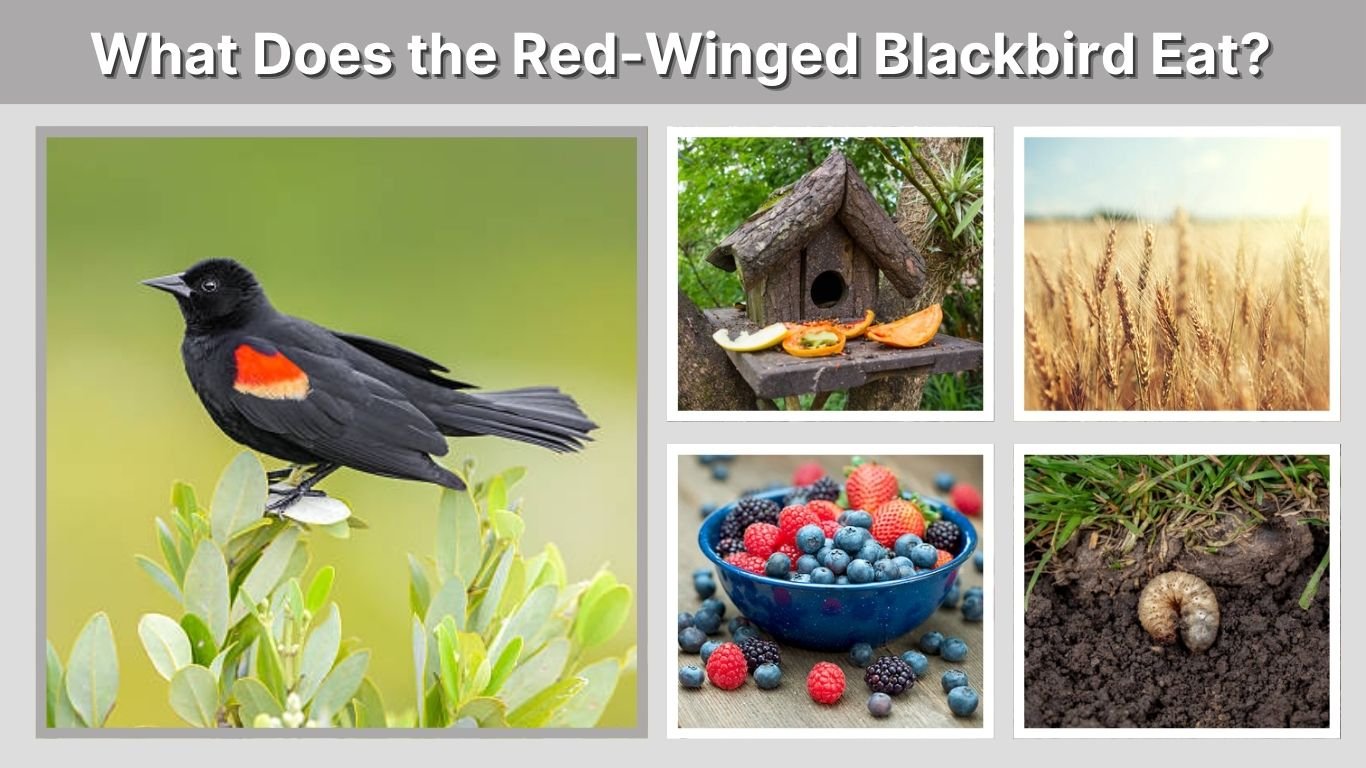
The red bird-of-paradise is not known as a seed-eating bird or a predator of large animals. Its diet is better described as frugivorous and insectivorous.
- Frugivorous means fruit-eating.
- Insectivorous means insect-eating.
Small animal prey is not “meat” in the same sense as the diet of an eagle or hawk. The red bird-of-paradise does not have the body form or hunting style of a large bird of prey.
It may swallow small invertebrates, but there is no sound basis for saying that it commonly eats mice, lizards, or other large prey. Claims that list many unusual foods often combine information from different bird-of-paradise species.
A note about nectar
Birds of paradise are not all alike. Some species may visit flowers, but a flower visit does not prove that nectar is a major food. The bird may be seeking insects near the flower instead.
This distinction matters because tropical birds often share the same forest plants. Seeing a bird near a flower is not enough to define its whole diet.

What Do Red Bird-of-Paradise Chicks Eat?
Young red bird-of-paradise birds likely need more protein-rich food than adults because they are growing muscle, bone, skin, and feathers.
In birds of paradise, the female usually handles nest building, incubation, and much of the care of young. The parent bird may bring soft fruit and small animal prey to the nest.
Small insects and other invertebrates are useful nest food because they provide more protein than fruit alone. Soft fruit can add water and energy.
However, detailed feeding records for wild red bird-of-paradise chicks are limited. It is safer to describe their food as parent-delivered fruit and small invertebrates than to claim a precise menu or feeding schedule.
Do not try to raise a wild chick on household food. A young bird can become ill from the wrong balance of protein, fat, water, vitamins, and minerals. Anyone who finds a wild bird in the United States should contact a licensed wildlife rehabilitator rather than feed it first.

What Should a Red Bird-of-Paradise Eat in Captivity?
A captive red bird-of-paradise should receive a diet designed by a qualified zoo or avian nutrition team. It should not be fed a simple bowl of fruit.
A managed diet may include:
- A balanced softbill or fruit-eating bird formula
- Safe, ripe fruit in controlled portions
- Properly sourced insects
- Clean water
- Carefully measured vitamins or minerals when prescribed
The exact plan depends on the bird’s age, sex, health, activity, and enclosure. Zoo diets also account for food hygiene and the risk of excess sugar.
Avoid giving the bird:
- Avocado
- Chocolate
- Alcohol
- Caffeinated drinks
- Salty snack foods
- Moldy fruit
- Onion or garlic
- Human supplements
- Food treated with pesticides
Captive birds can face a different problem from wild birds: too much fruit and too little protein. A diet that looks natural may still be incomplete. Fruit should not replace a balanced formulated diet unless a qualified professional has designed the plan.
Red bird-of-paradise birds are not suitable household pets. They need specialized housing, social and behavioral care, temperature control, and expert nutrition. In the United States, keeping or importing exotic birds may also involve federal, state, and local rules.

Is the Red Bird-of-Paradise Diet the Same as the Plant’s “Diet”?
No. The red bird-of-paradise plant is a separate organism.
The plant often called red bird-of-paradise is Caesalpinia pulcherrima. It makes sugars through photosynthesis. Its roots absorb water and minerals such as nitrogen, phosphorus, and potassium from the soil.
If you are caring for the plant, think in terms of:
- Sunlight
- Water
- Soil drainage
- Mineral nutrients
- Pruning
- Temperature
If you are researching the bird, think in terms of:
- Fruit
- Insects
- Spiders
- Forest habitat
- Seasonal food supply
- Wildlife conservation
This name mix-up is common in the United States because garden centers use “bird of paradise” for several unrelated plants.

Common Mistakes About the Red Bird-of-Paradise Diet
Mistake 1: Treating all birds of paradise as one species
The bird-of-paradise family contains many species. Their diets may overlap, but they do not all eat the same foods in the same amounts.
Mistake 2: Giving an exact diet percentage without evidence
A claim such as “the bird eats 70% fruit and 30% insects” needs a study with a clear method, location, season, and sample. Such figures should not be invented from general observations.
Mistake 3: Confusing a flower visit with nectar feeding
A bird near a flower may be eating insects, not nectar. A single observation cannot define a species’ main diet.
Mistake 4: Feeding a rescued bird at home
Wrong food can cause harm. Keep the bird warm, quiet, and contained in a ventilated box while you contact a licensed wildlife rehabilitator.
Mistake 5: Using the plant name as bird evidence
Information about Caesalpinia pulcherrima does not explain the diet of Paradisaea rubra. Always check the scientific name.
Sources and Evidence Notes
The diet summary above follows broad species and family information from recognized conservation and bird references, including:
- BirdLife International: Red Bird-of-paradise
- International Union for Conservation of Nature Red List
- Smithsonian’s National Zoo and Conservation Biology Institute
- Cornell Lab of Ornithology, Birds of the World
These sources support the bird’s identity, range, conservation context, and general feeding ecology. They do not establish a universal daily menu or exact food percentage for every red bird-of-paradise bird.
Species records from remote Indonesian forests are also less detailed than records for common birds in the United States. For that reason, this guide uses qualified terms such as “mainly,” “likely,” and “may” where exact field data are limited.
Frequently Asked Questions
Is the red bird-of-paradise a carnivore?
No. It is best described as an omnivorous forest bird with a strong fruit-eating habit. It eats fruit as well as insects and other small invertebrates.
Does it eat bananas?
Wild red bird-of-paradise birds may encounter soft tropical fruit, but there is no reason to treat banana as a special or complete food. Captive birds need a balanced diet, not one fruit.
Can I keep a red bird-of-paradise as a pet in the United States?
It is not a practical household pet. The species needs expert care, a suitable climate, specialized food, and legal clearance. Rules vary by state and locality, so contact the relevant wildlife agency before considering possession or import.
What should I do if I find a bird that looks like a red bird-of-paradise?
A true red bird-of-paradise is not a normal wild bird in the continental United States. The bird may be a cardinal, tanager, or another red species. Take a photo from a safe distance and contact a local bird group or wildlife rehabilitator if it appears injured.
Is “bird of paradise” a bird or a plant?
It can mean either one. In this article, the red bird-of-paradise bird is Paradisaea rubra. The red bird-of-paradise plant is Caesalpinia pulcherrima. The scientific name removes the confusion.
Conclusion
The red bird-of-paradise, Paradisaea rubra, eats a flexible tropical forest diet. Ripe fruit provides energy and water, while insects and other small arthropods provide protein and other nutrients. The exact food mix changes with habitat, season, and availability.
For U.S. readers, the key point is to separate this rare Indonesian bird from the unrelated red bird-of-paradise plant and from common red backyard birds. If the question involves a captive bird or a rescue, use a licensed wildlife professional rather than a homemade diet.